Start with the project, not the task list
Before inviting someone to record an interview, edit a segment, or suggest music, explain what the project is for and who it hopes to serve. A neighborhood oral-history series, for example, may put careful listening ahead of a polished sound, while a short music-discovery feature may need tight timing and consistent introductions. Neither approach is inherently better. The important thing is that contributors understand the aim before they commit their time.
Describe the intended format, where the finished audio may be shared, and whether the project has a planned end point. Be equally clear about what is still undecided. If the team has not chosen a release schedule, say so rather than implying that regular publication is guaranteed. Volunteers can make better choices when an invitation presents the project as it is, not as everyone hopes it will become.
Define a role someone can actually accept
A role description should name the work, the approximate time involved, and the person who can answer questions. “Help with production” is broad; “review one 15-minute draft for unclear passages and send notes by Friday” is easier to assess. For recurring roles, distinguish between a typical week and occasional busy periods. If deadlines depend on an interview guest or another volunteer, explain that plans may shift.
Make room for different levels of participation. One person may enjoy finding story ideas but not want to appear on a recording. Another may be happy to record a voice introduction but unable to take on editing. Ask what tools and quiet space contributors can reasonably access instead of assuming they have specialist equipment. Where possible, offer a small first assignment so both sides can see whether the role is a good fit.
Volunteer should not mean permanently available. Agree on a practical way to decline a request, flag a delay, or pause involvement. A brief check-in before each new assignment is often more useful than treating an early expression of interest as an open-ended commitment.
Put editorial and recording boundaries in plain language
Community audio is collaborative, but collaboration can become frustrating when nobody knows who makes the final call. Identify who approves topics, edits for length or clarity, checks factual details, and decides whether a piece is ready to share. Invite contributors to explain the intent behind their work and give them a chance to review substantial edits where feasible. At the same time, avoid promising that every recorded contribution will appear in the final version.
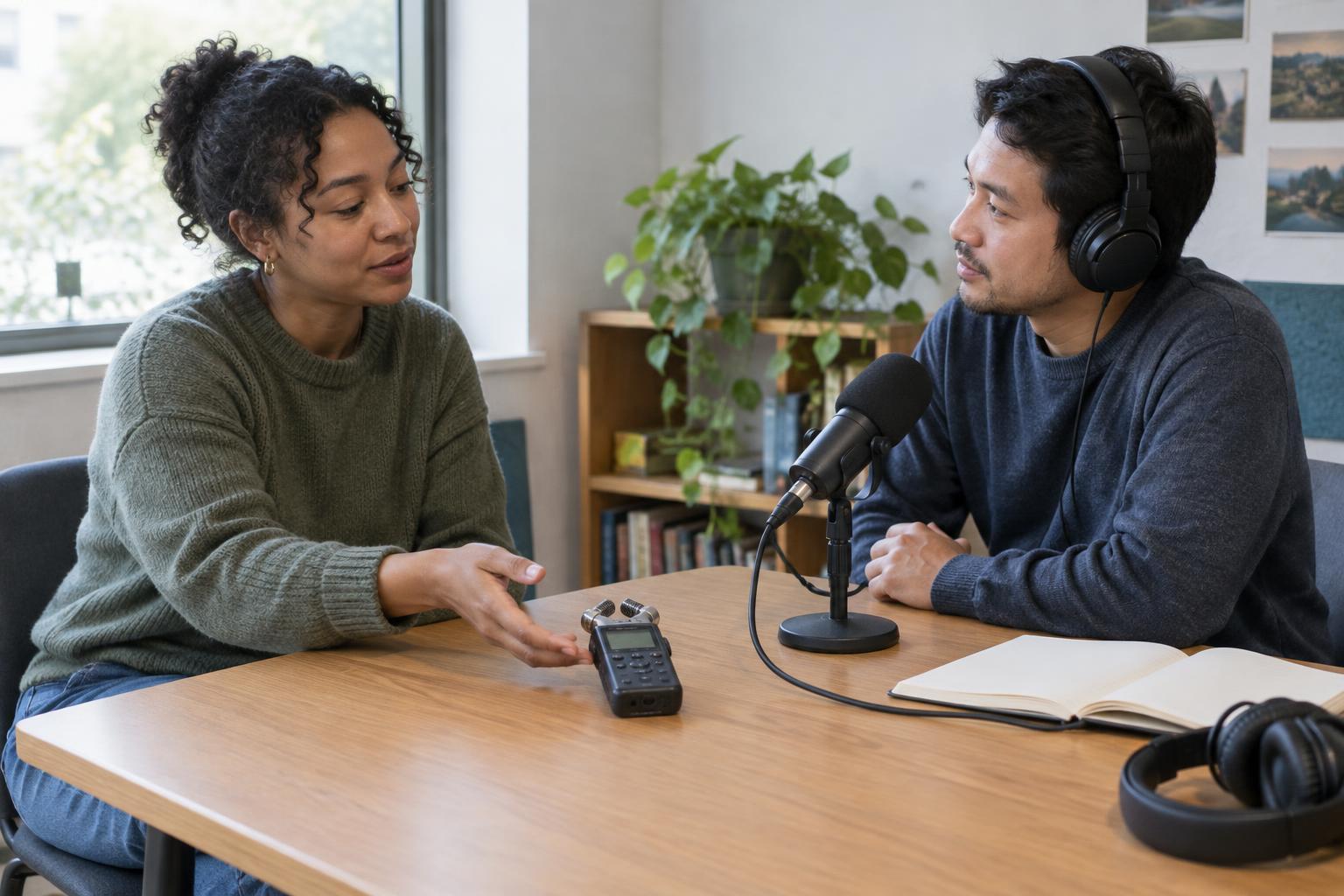
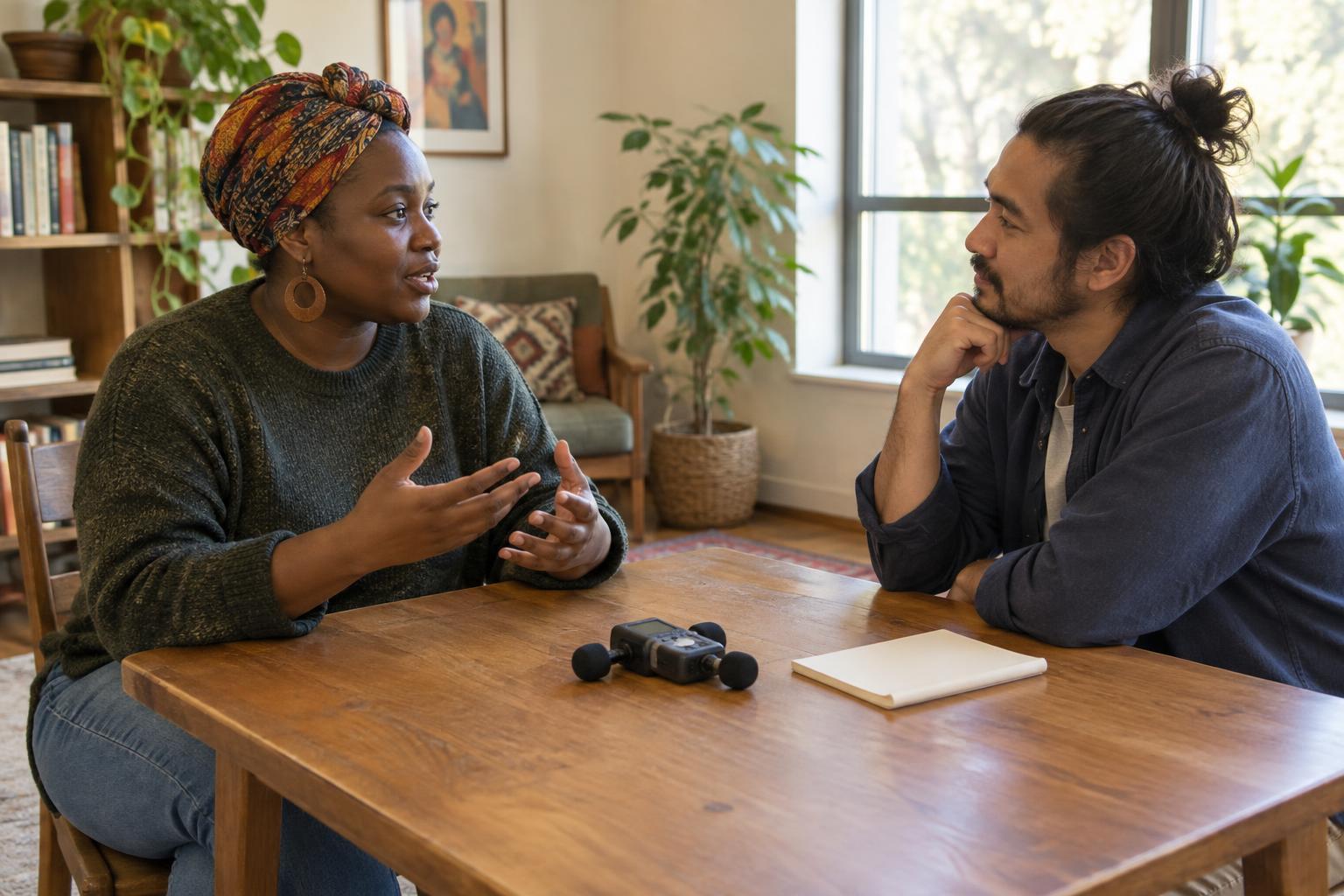
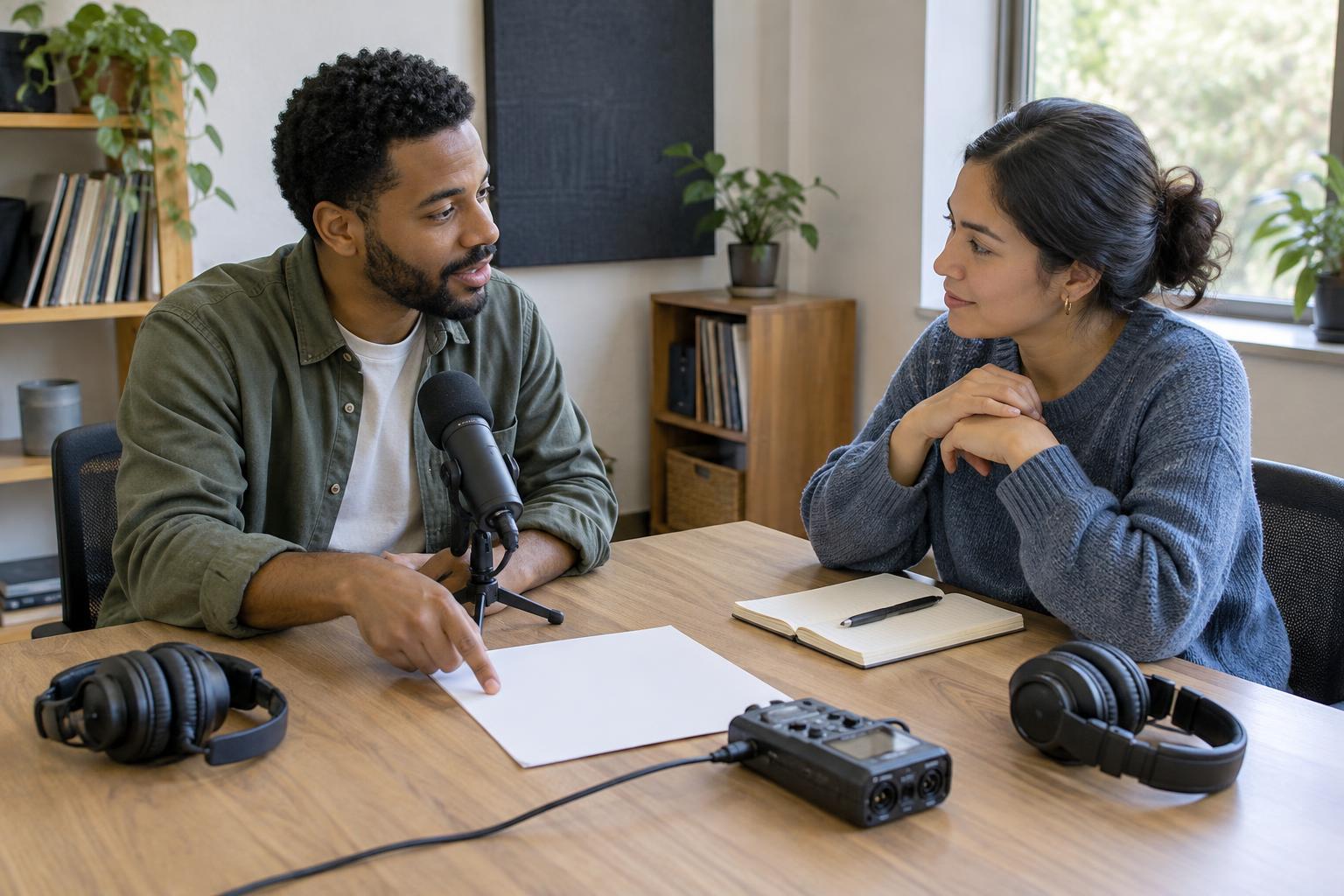
Set basic recording expectations before anyone presses record. These might include choosing a reasonably quiet place, testing a short sample, asking a guest whether they are comfortable being recorded, and noting names or terms that may need checking. Tell contributors how to transfer files and whom to contact if a recording contains something sensitive. A simple, repeatable process helps beginners contribute without pretending that every home recording will sound identical.
Be specific about permissions. Explain how a contributor’s voice and work may be used, whether their name will be credited, and what the team will do if someone asks to remove material after it has been shared. Do not assume that music, archival clips, or someone else’s recording can be included just because a volunteer supplied them. When permission is unclear, leave the material out until the team has resolved the question.
Make support and feedback part of the plan
Clear expectations should make participation easier, not turn a volunteer project into a stack of rules. Give new contributors a short example of a finished piece, a checklist for their first task, and one contact for help. If someone is learning to edit, explain which details matter most for this project: intelligible speech, a sensible pace, and clean transitions may be more valuable than elaborate effects.
Feedback works best when it addresses the work rather than the person. Instead of “this interview is weak,” try “the opening question needs context, and the guest’s strongest answer begins later.” Say what should change, what can stay, and when a revised version is needed. Invite contributors to raise concerns, too. They may notice a confusing instruction or a barrier that the organizing team has missed.
Agree on how people can finish well
People leave volunteer projects for ordinary reasons: schedules change, interests move on, or a role takes more energy than expected. Explain how much notice is helpful, where unfinished files should go, and who will take over any pending work. Thanking someone for a limited contribution is better than pressuring them to stay until a project ends.
Keep the agreement short enough to revisit. After the first assignment, ask whether the time estimate, instructions, and support matched the experience. Update the role description when they did not. Clear expectations are not a test of commitment; they are a way to respect contributors’ time and make thoughtful, sustainable audio together.