Chronological vs. Nonlinear Structure: Which Fits Your Audio Story?
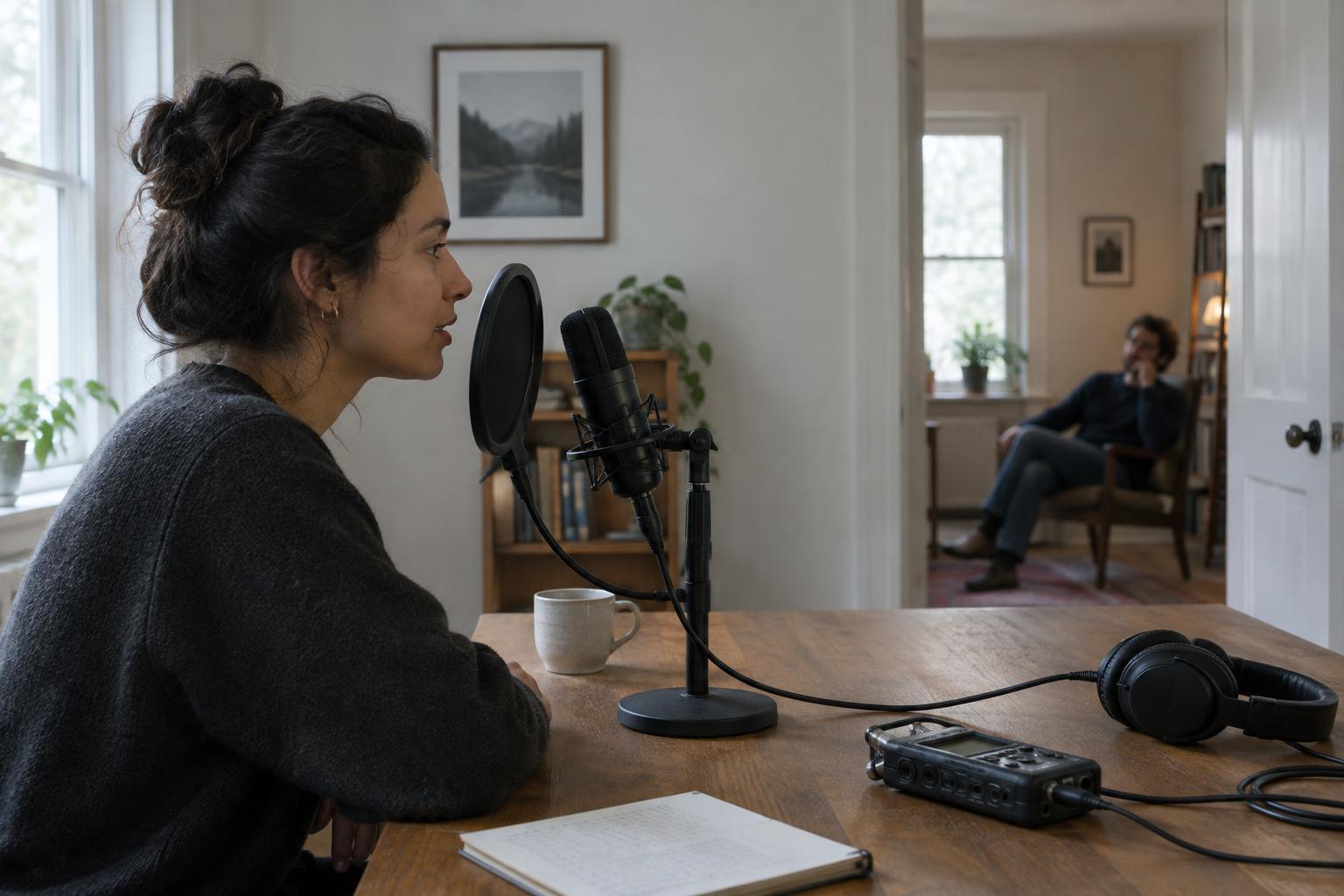
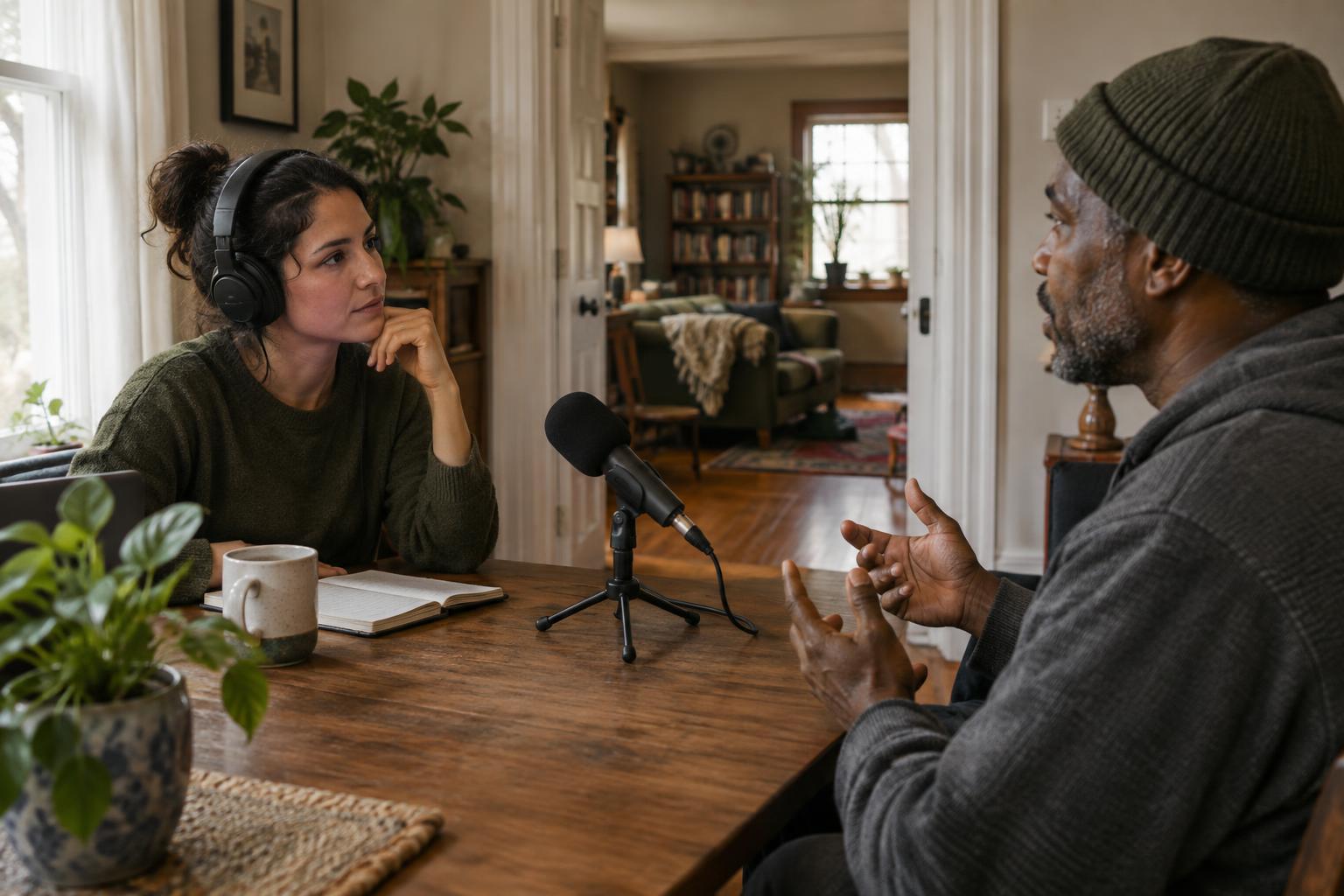
Should your audio story follow events in order or begin somewhere unexpected? Learn how each structure shapes listener understanding, suspense and the work of editing.
Music Discovery
More to discover ↗More to discover
Should your audio story follow events in order or begin somewhere unexpected? Learn how each structure shapes listener understanding, suspense and the work of editing.
In audio storytelling, the strongest narration helps listeners understand what a recording cannot explain on its own. Learn how to write around interviews and scenes, add essential context, and leave room for the voices and sounds that carry the story.
Read article · 4 min↗A strong audio scene helps listeners understand what happened, where they are, and why a moment matters. Learn how to shape interview tape with narration, sound, and careful edits while protecting the speaker’s meaning.
Read article · 4 min↗A short audio feature needs more than a collection of good clips. Learn how to shape a focused question, choose revealing scenes and guide listeners from an engaging opening to a satisfying ending.
Read article · 4 min↗A narrated audio story feels different depending on who speaks, what they know and how close the listener is invited to stand. Learn how to choose a point of view that serves your material, shapes your use of sound and stays clear from beginning to end.
Read article · 4 min↗A strong audio story needs more than an interesting subject. Learn how to turn a broad topic into a question that guides your interviews, scene choices and ending without making the story feel predictable.
Read article · 4 min↗A collection of voices and sounds does not automatically become a story. Learn how to find a central question, build scenes listeners can follow, reveal meaningful change, and end with an honest sense of resolution.
Read article · 4 min↗