Give the playlist a job
A discovery playlist can quickly become a place where promising songs go unheard. You save a track because its opening catches your ear, then add twenty more before you return to it. To make the playlist useful, give it a narrow job: hold music you want to hear again before deciding whether it belongs in your regular rotation.
Start with one temporary playlist rather than a separate list for every mood or genre. A name such as “Listen Again” makes its purpose clear. Keep it small enough that playing it from start to finish feels possible. If it grows beyond what you can comfortably hear in a sitting or two, pause adding tracks until you have revisited some. The limit is not a rule about how much music you should enjoy; it is a way to give each selection a fair listen.
Collect with a reason, not just a tap
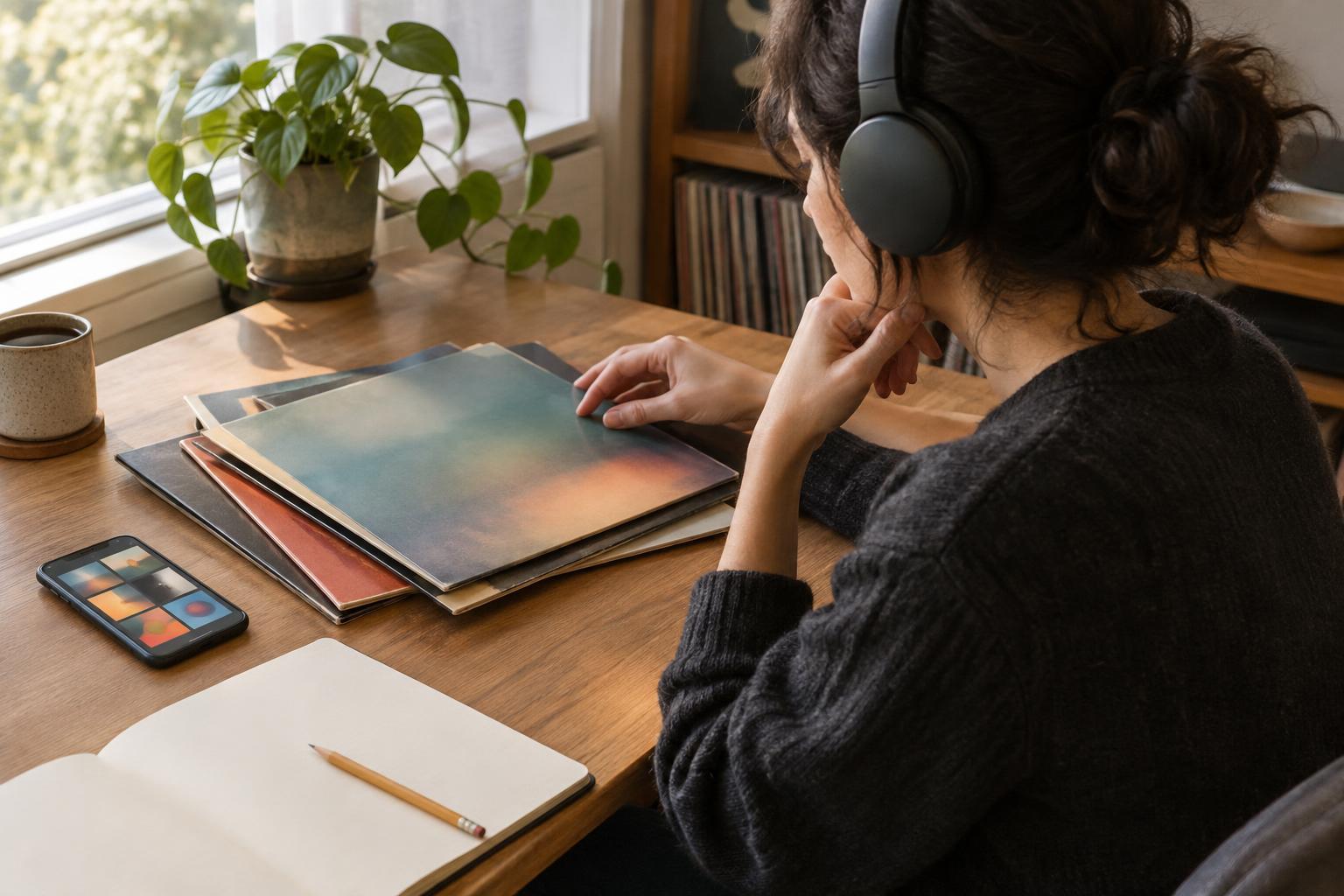
New music might reach you through a friend, an album you already love, a local performance, a film, or a recommendation from a listening app. As you add a track, take a moment to notice why. Was it the singer’s phrasing, a bass line, an unfamiliar instrument, or the way the song changed halfway through? A short note, where your music app allows one, can help you recall what drew you in.
Variety makes a discovery playlist more revealing, but it need not be random. Try following a small thread: another track by the same artist, a collaborator, a style that shares a rhythm, or music from a scene you want to understand better. Then leave room for a choice that does not fit the thread. That contrast can show you whether you are responding to a specific sound or simply to the energy of hearing something new.
You do not need to save every track that seems interesting. If you already know you will not seek it out again, let it pass. Being selective at the point of collection keeps the playlist from turning into a record of every suggestion you have encountered.
Listen more than once, in different ways
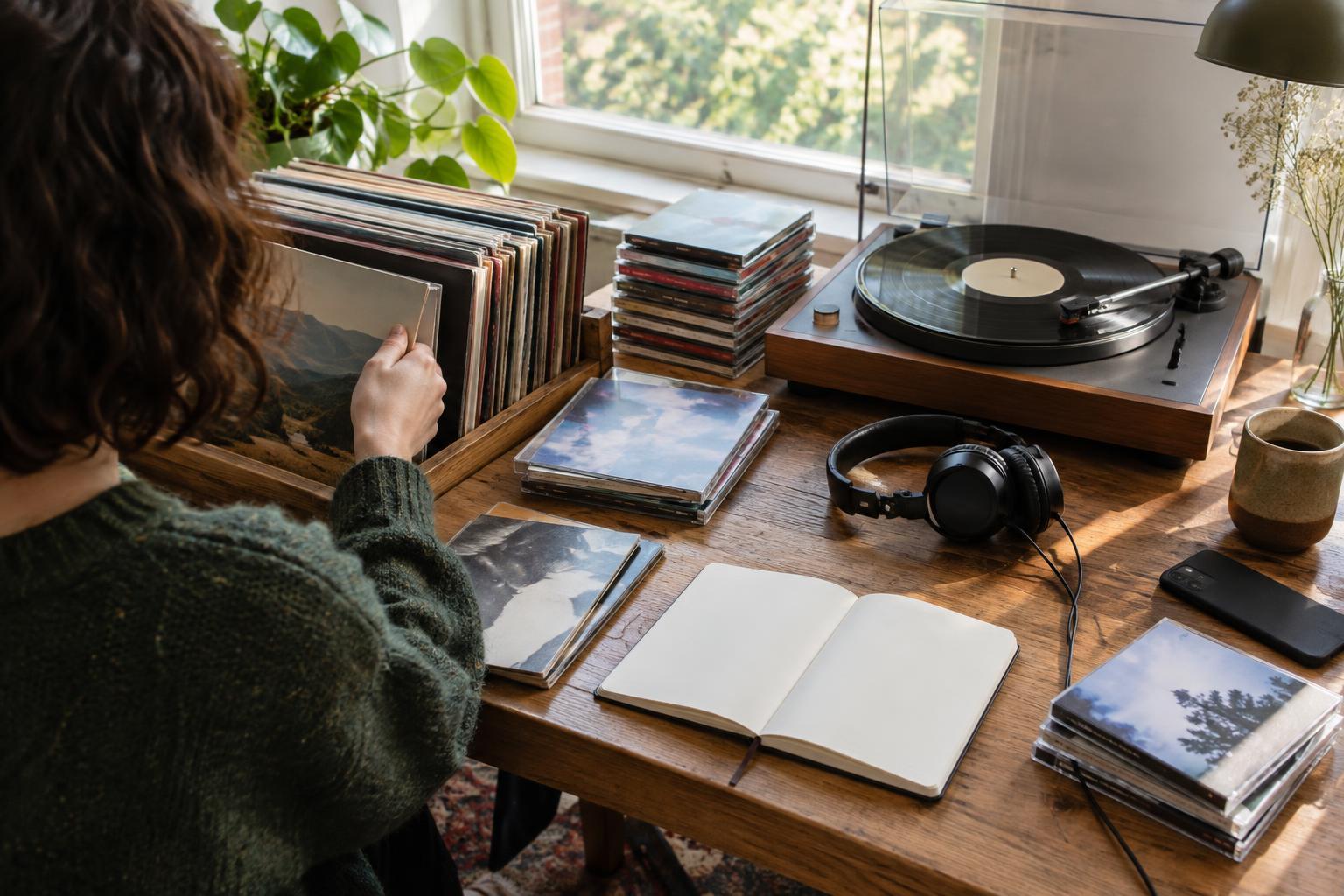
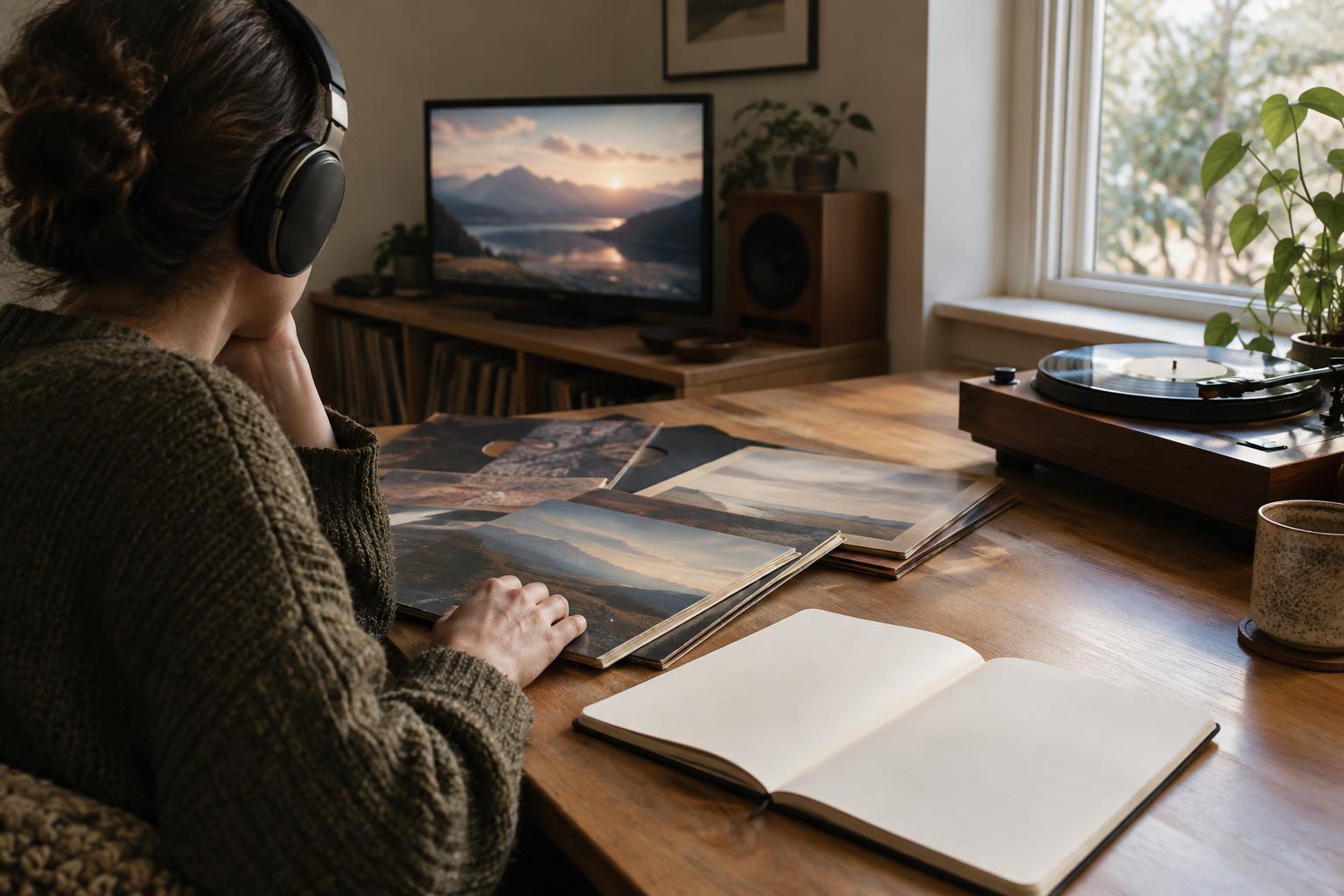
A first listen often captures your immediate reaction, not your settled opinion. On a second pass, try a different setting: headphones instead of speakers, a walk instead of desk work, or a quiet moment instead of a busy commute. The point is not to test the song under perfect conditions. It is to find out whether something in it continues to hold your attention.
Ask simple questions as you listen. Do you anticipate a particular moment? Does the arrangement reveal a detail you missed? Would you choose to hear the whole track again, or do you mainly like its opening? A song can be worth keeping because it fits a mood, challenges your expectations, or leads you toward an artist you want to explore. It does not have to meet every test.
Move tracks on purpose
Set aside a little time to sort the playlist after you have heard its tracks again. Move clear favorites to a lasting collection, an artist-focused list, or a playlist built around a particular activity. Remove tracks that no longer interest you. If a song remains intriguing but has not clicked, leave it for one more listen rather than forcing a verdict.
This process is easier when “remove” does not mean “bad.” Some music needs a different moment; some music is simply not for you. If you worry about losing a trail, keep a separate archive for albums or artists you may want to investigate later. Let the active discovery playlist stay focused on what you intend to play soon.
Notice patterns without making them limits. If your recent favorites share a texture or tempo, follow that clue for a while. Then occasionally add something outside it. Refinement should make your next listen more inviting, not shrink your taste to a single formula.
Keep the habit light
A useful discovery playlist changes with you. You might refresh it after an album-listening session, when a friend sends a recommendation, or whenever the current selection starts to feel familiar. There is no need to maintain a strict schedule. What matters is returning often enough to remember why the tracks are there.
The payoff is not a flawless playlist. It is a clearer sense of what you hear in music: the voices, production choices, rhythms, and surprises that make you press play again. Keep a little space open, make decisions when you are ready, and let the playlist remain a doorway rather than a storage box.