Participation is more than a microphone
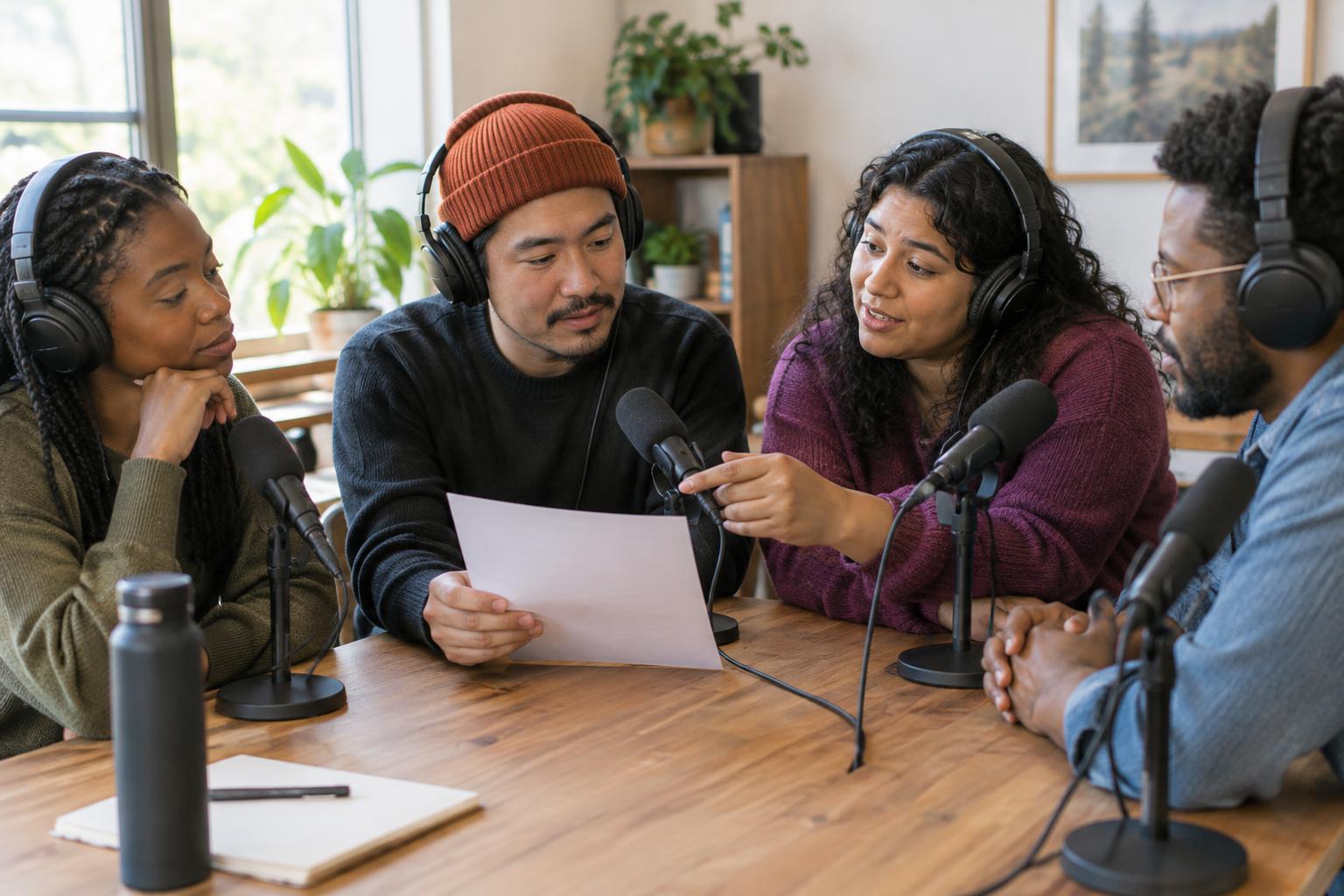
A community audio project might be a neighborhood listening walk, a set of oral histories, or a short series about a shared place. The appeal is that people can describe their own experiences in their own voices. But handing someone a microphone does not, by itself, give them a meaningful role. The choices made before and after recording—what to ask, what to cut, where to share the result—shape whose story listeners hear.
Three mistakes can weaken an otherwise well-intentioned project: inviting people only to create an appearance of inclusion, leaving consent vague, and disappearing once the audio is published. These problems are connected. If contributors do not understand the project or hear from its makers afterward, an invitation to participate can feel more like a request for material than a chance to be heard.
Mistake one: making token invitations
A token invitation asks a person to stand in for a whole group or arrives after the main story has already been decided. A producer might seek one brief comment from a resident while giving organizers the time to define the issue. Even when every speaker is treated politely, that structure limits what the resident can contribute.
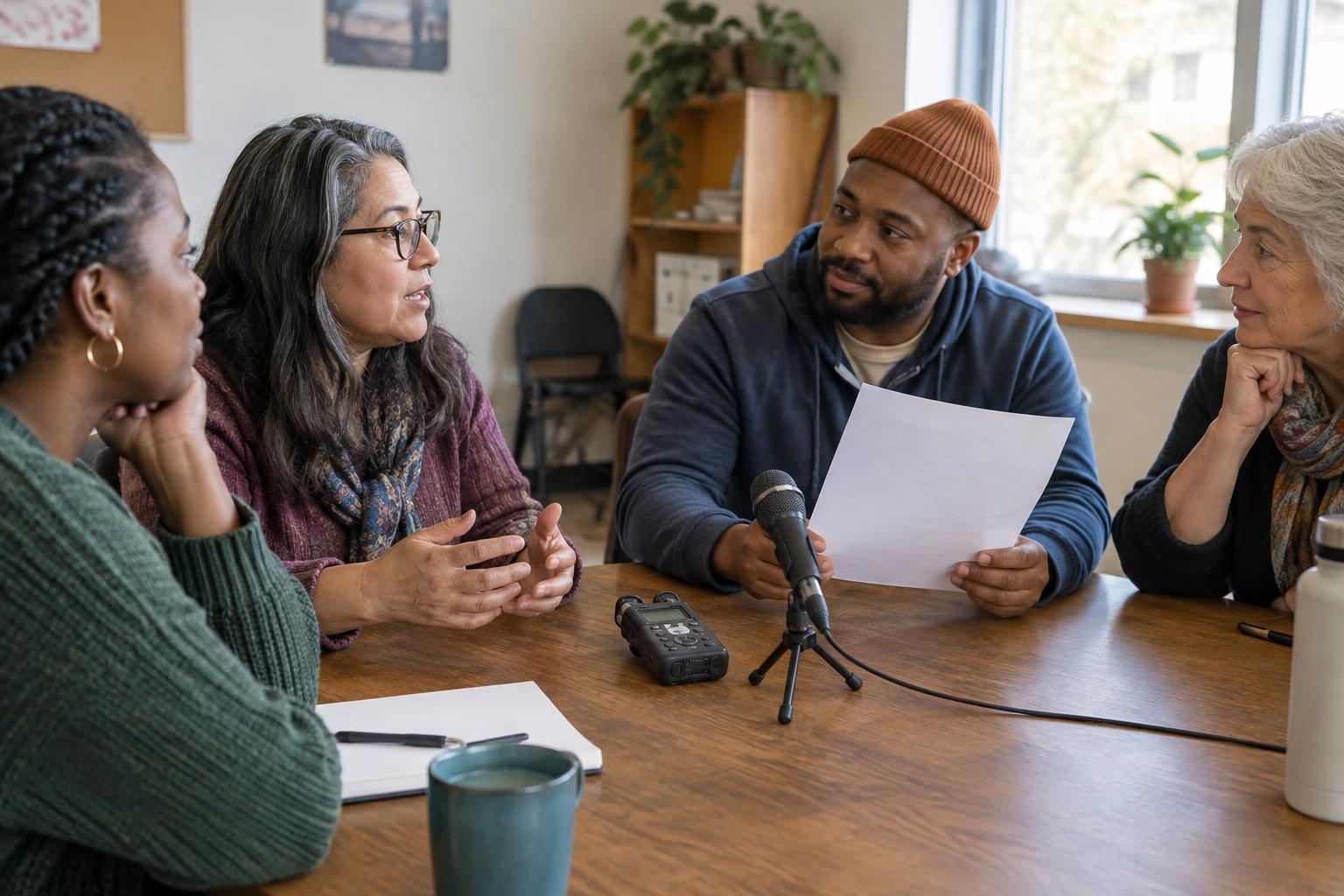
Start by asking who the piece is for and who should help shape it. Reach out early enough that contributors can suggest questions, locations, or perspectives you have missed. Explain what participation involves, including the likely time commitment and whether you are asking for an interview, help planning the piece, or feedback on a draft. Do not assume that one person can speak for everyone with a shared background or address.
Make room for people to decline or take part in a different way. Someone may prefer to recommend another speaker, record an ambient sound, or simply listen to a draft. Those choices can improve the work without forcing participation into a single format. If time or resources limit how much collaboration you can offer, say so plainly rather than describing a brief interview as shared authorship.
Mistake two: treating consent as a single yes
Someone may agree to talk without realizing that the conversation will be edited, posted publicly, or kept available for an extended period. Before recording, explain the project in ordinary language: what you hope to make, what you will record, who may hear it, and how you expect to share it. Discuss whether a name, first name, or no name will be used. Make clear that recording a conversation does not mean every part of it will appear in the finished piece.
Check understanding rather than rushing through a script. A person may be comfortable describing a local event but not discussing their family, workplace, or personal history. Agree on boundaries before the interview and pause if an unexpected sensitive topic comes up. For group recordings, make sure everyone knows when the microphone is on; one person's agreement does not speak for everyone in the room.
It also helps to explain what changes you can realistically make later. If you can offer a chance to flag a sensitive passage before release, describe how and when that will happen. Avoid promising full editorial control unless you can provide it. Clear expectations make it easier for contributors to decide what they want to share.
Mistake three: publishing and disappearing
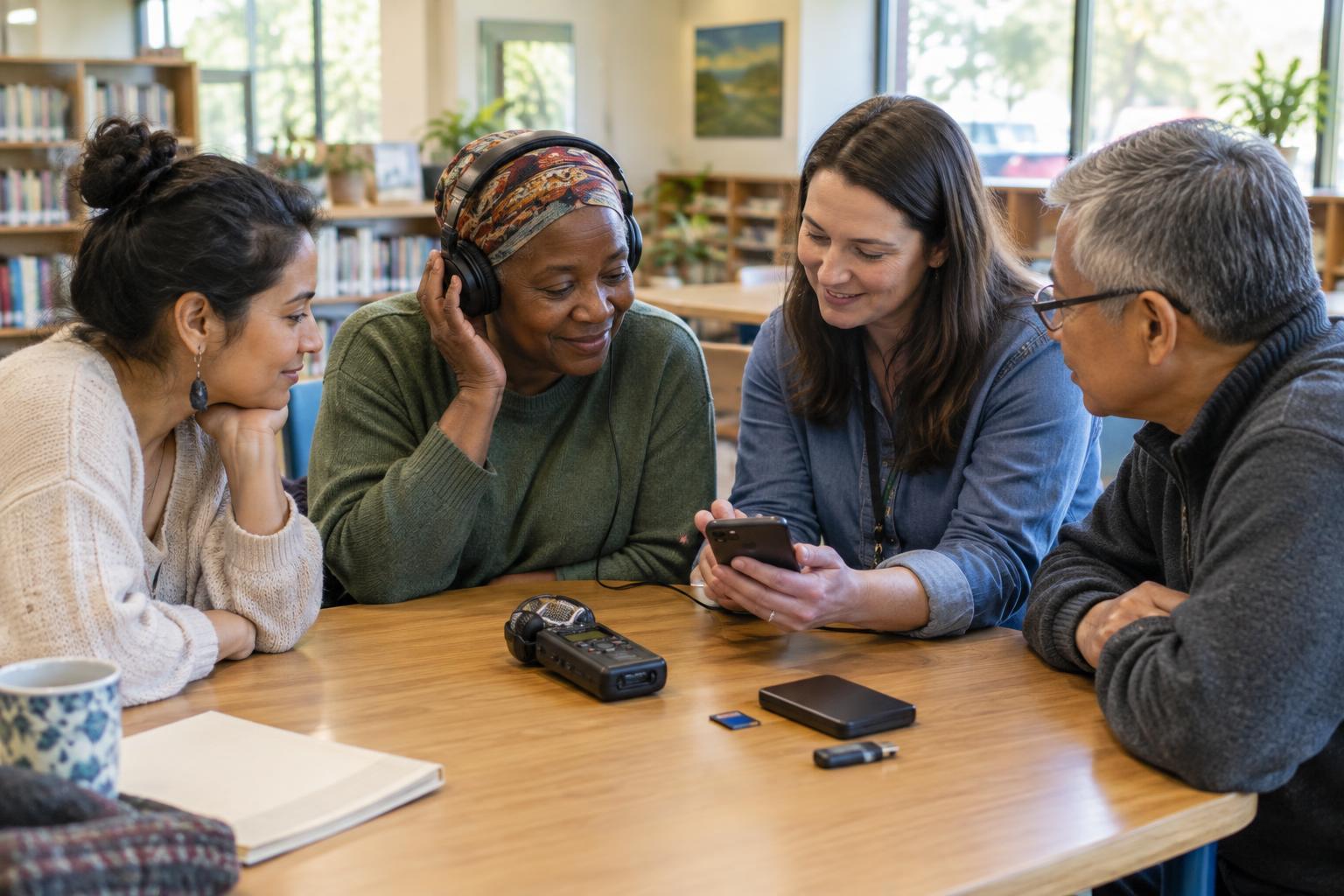
Finishing the edit is a milestone, not the end of the relationship. When contributors hear nothing after recording, they may not know whether the piece was completed, where to find it, or how their voice was used. A simple follow-up plan can prevent that silence. Keep a reliable way to contact each person, confirm how they want to be credited, and let them know when the audio is available.
Share an accessible way to hear the result when possible, and explain how someone can raise a concern or report an error. If you cannot make a requested change, respond honestly rather than leaving the message unanswered. Thank contributors for their specific help without implying that appearing in the piece means they endorse every editorial choice.
Finally, bring what you learned into the next project. Notice whose schedules your recording plans accommodated, whose voices required extra effort to include, and which questions contributors wished you had asked sooner. Community audio is stronger when those observations change the process—not just the closing credits.