Start with the moment, not the label
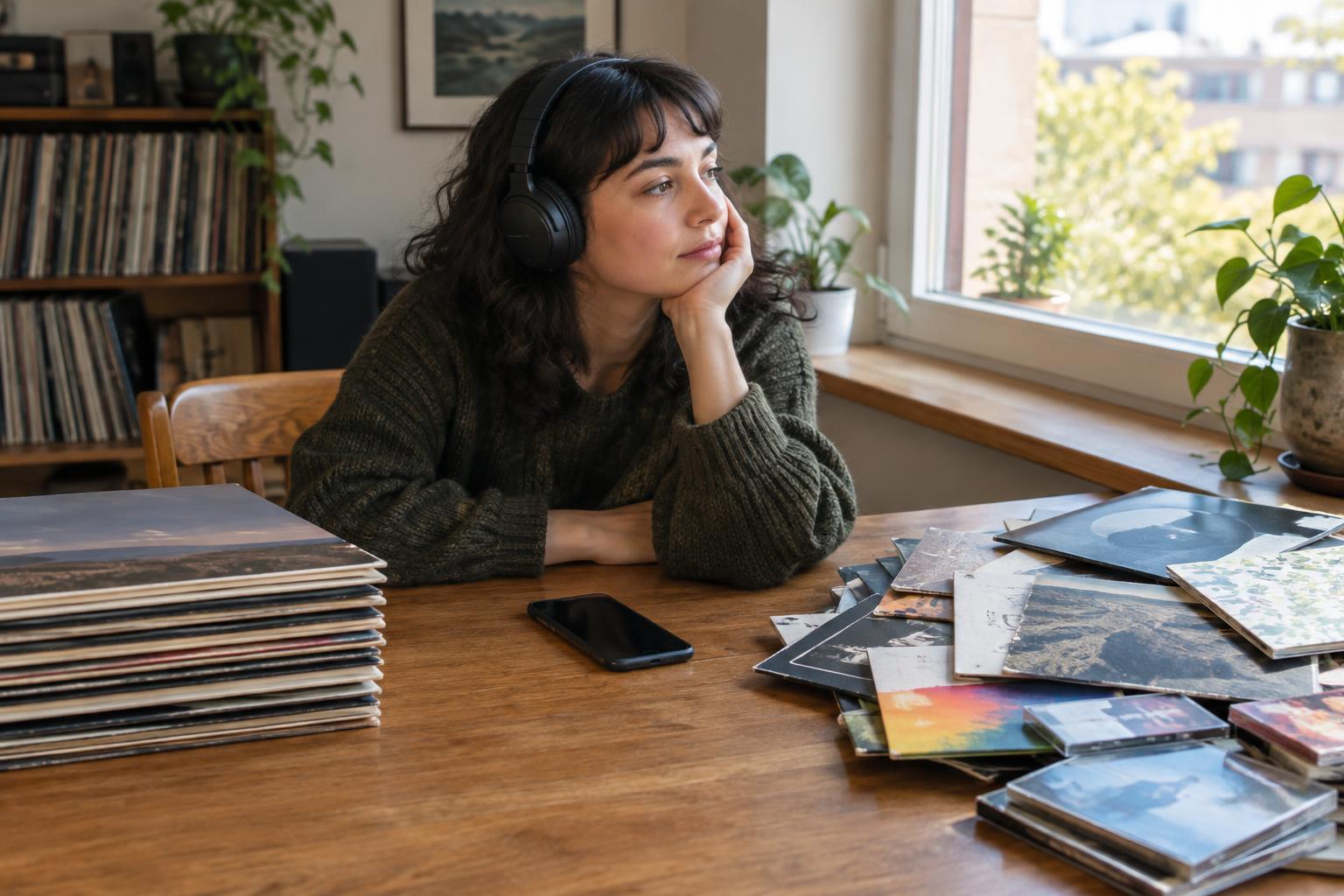
A genre label can point you toward a musical tradition, but it rarely describes the whole listening experience. Two songs filed under the same genre might have opposite effects: one feels spacious and reflective, while the other demands your full attention. If you are looking for something to play on a walk, while cooking, or during a quiet evening, the feeling you want may be a better starting point than a category name.
Before searching, describe the moment in ordinary language. Try a short phrase such as “warm but not sleepy,” “restless and playful,” or “steady enough to work to.” You do not need a perfect term. The point is to give yourself a direction that can cross genre boundaries. An acoustic recording, an electronic track, and an instrumental piece might all fit the same moment for different reasons.
Separate mood, energy, and tempo
Mood is the emotional color you hear in a track: tender, tense, bright, wistful, or something harder to name. Energy is how forcefully the music occupies your attention. A sparse song can feel intense, while a densely arranged song can feel gentle. Tempo is the pace of the beat, but it is not a complete measure of movement. A quick pulse may feel relaxed; a slower beat can feel heavy and urgent.
When you find a song you like, listen once with those three qualities in mind. Ask what creates its mood: the voice, harmony, lyrics, texture, or space between sounds? Notice whether the energy stays level or rises. Then tap along and ask how the pace feels in your body. You can use words such as slow, moderate, and quick; exact beats-per-minute numbers are optional. Some tracks also invite a half-time or double-time feel, so a number alone may not explain why they seem to move as they do.
These distinctions help when a recommendation is almost right. If a track has the mood you want but feels too forceful, keep the mood and look for lower energy. If it has the right pace but sounds too solemn, keep the tempo and change the emotional tone. Small adjustments are more useful than abandoning a promising path because one song missed the mark.
Follow sounds across boundaries
Choose one track that fits your moment and use it as an anchor. Look for connections beyond genre: a similar vocal delivery, a repeating rhythm, a particular instrument, or a production texture such as a roomy recording or a close, dry sound. Related tracks, albums, playlists, and credits can all offer leads. Treat each lead as an invitation to listen, not as a guarantee that the next song will fit.
Give unfamiliar music enough time to show its shape. An opening can be misleading if the arrangement changes after the first verse or a long introduction. At the same time, you do not need to finish every track. Notice what made you stay or leave, and make your next search more specific. “Soft percussion with a lively bass line” gives you more to work with than “more chill music.”
To keep discovery from narrowing into near-duplicates, change one quality at a time. Keep the energy and explore a different mood, or keep the mood and try a faster pace. You may find a familiar feeling in a style you would not have searched by name. Genre can still be valuable context; it simply does not have to be the gatekeeper.
Build a collection you can actually use
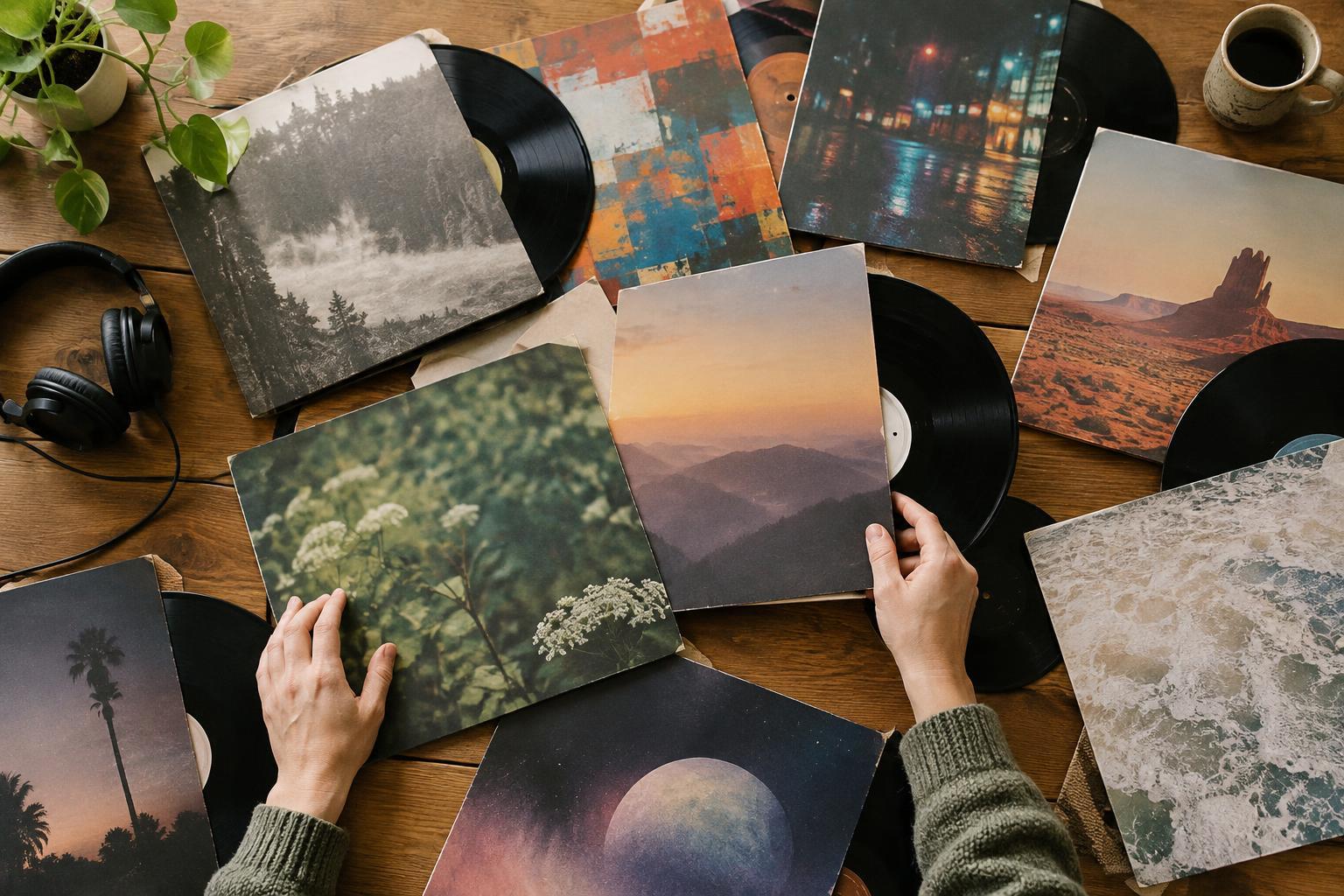
Save promising tracks in small collections named for a listening purpose rather than a rigid genre. A collection called “gentle momentum” might suit light chores or a morning walk; “late-night focus” might hold quieter tracks that do not fade into the background. Leave room for songs that only partly fit. They can become useful bridges between moods or reveal what you are really seeking.
After adding a few tracks, play them together. A song can feel perfect in isolation but abrupt after another one. Listen for transitions in volume, pace, vocal presence, and emotional tone. If a sequence feels jarring, rearrange it or split it into two collections. This is not about making a flawless playlist; it is about learning how your listening preferences change with context.
Revisit your collections occasionally and remove tracks you routinely skip. Add a brief note when a discovery surprises you: perhaps you came for the rhythm and stayed for the voice. Over time, those observations give you a more personal map than genre tags alone. The best discovery method is one that helps you stay curious while making it easier to find the right sound when you need it.