Let the shelves change your plan
Searching for a specific artist is useful, but a record store or library can offer something a search box rarely does: a reason to notice what sits beside your original choice. An unfamiliar album cover, a handwritten shelf label, or a display built around a theme can interrupt your usual path. You do not need to know much about a genre to begin. Pick a section that interests you, then look for a few records that share a label, instrument, region, or mood.
Give yourself one small browsing rule rather than trying to survey the whole collection. You might explore a single shelf, compare three albums with striking artwork, or look for music from a place you have never heard represented. If listening stations or previews are available, sample a little before deciding. If not, read the packaging for clues about performers, collaborators, and song titles. The aim is not to guess perfectly; it is to leave room for a worthwhile surprise.
Use staff picks as a starting point, not a verdict
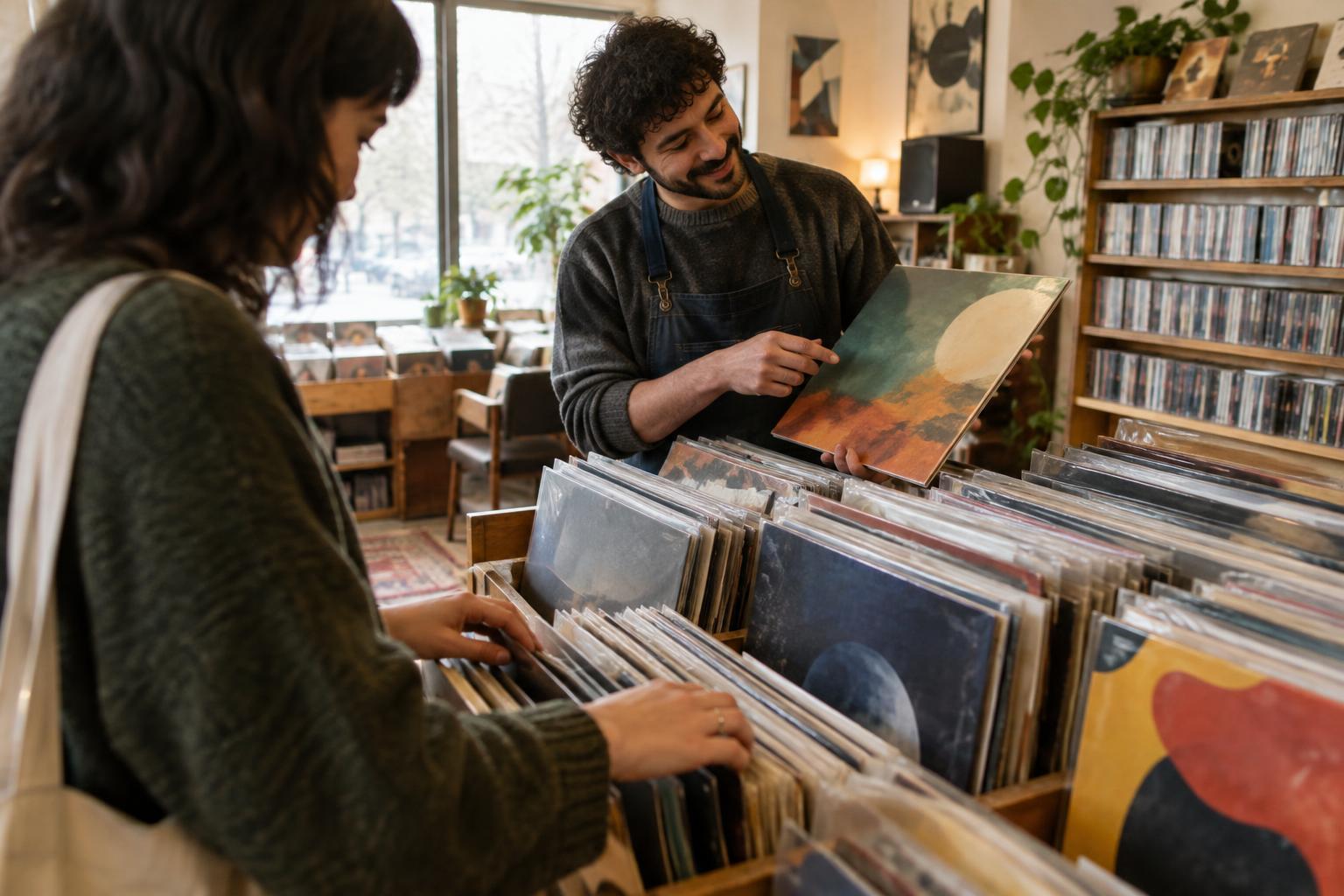
Staff picks are useful because they put a human perspective in front of the collection. A short note may describe how an album feels, what makes it distinctive, or why someone keeps returning to it. Look beyond the genre name. A recommendation that mentions spacious production, close harmonies, or playful rhythms may tell you more about whether you will enjoy a record than a broad category can.
Not every pick will suit you, and that is part of the process. If one catches your attention, ask what the staff member likes about it and what they would suggest as a gentler introduction to the same sound. In a library, displays and reading lists can serve a similar purpose, even when the person who selected them is not nearby. Treat each recommendation as an invitation to listen, not a promise that you will love it.
Ask questions that lead somewhere
You can ask for help without arriving with a long list of artists or specialist terms. Describe a listening situation: music for a quiet commute, an energetic afternoon, or a voice you want to hear clearly. You can also name one song you like and explain which part draws you in. Is it the percussion, the storytelling, the roughness of the recording, or the way the melody unfolds? Details like these give someone more to work with than “something good.”
A useful follow-up is to ask for two contrasting options. One might stay close to your familiar tastes; the other might stretch them. This makes discovery feel less like a test of your knowledge and more like a conversation. Be open about your format and budget, too. A store may have an affordable used copy, while a library may let you borrow an album before deciding whether you want to own it. Availability varies, so ask what is possible at the location you visit.
Make room for the library route
Libraries can be especially helpful when you want to explore without committing shelf space or money to every experiment. Depending on the library, you may find CDs, music books, recordings in other formats, or access to a digital collection. A biography, oral history, or book about an instrument can give context to music you have heard only in passing. It can also point you toward artists and scenes you would not have thought to search for.
Borrowing encourages a different pace. Take home one familiar album alongside one unfamiliar choice, and listen to each more than once if it holds your interest. Try a full album when you can: the quieter tracks and transitions may reveal something a short sample misses. If you enjoy an artist, check the credits or catalog information for collaborators and related recordings. Those connections create a trail you can follow on your next visit.
Turn a good find into your own listening trail
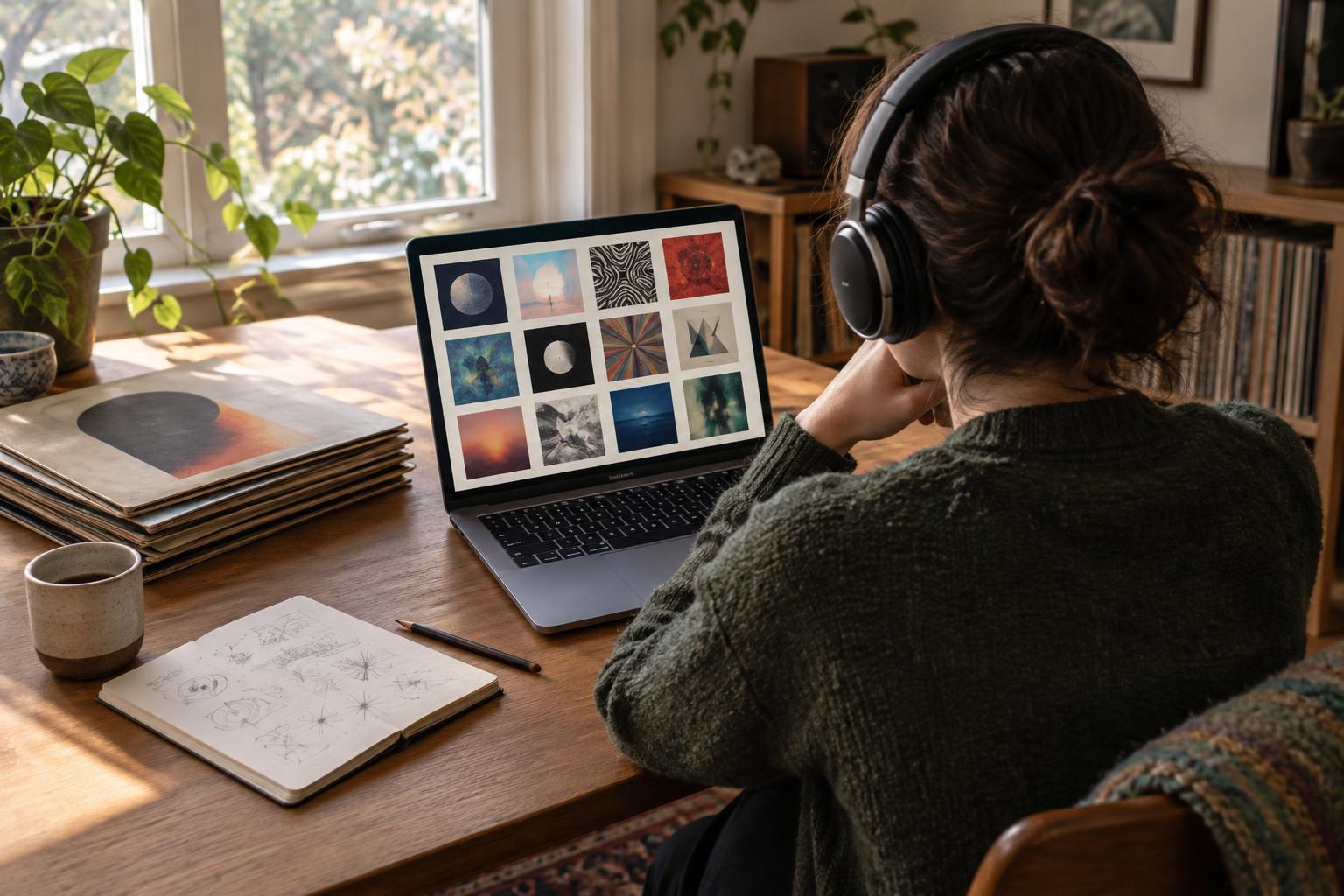
A discovery can fade quickly if you cannot remember where it came from. Keep a short note with the artist, album, and what caught your ear. Add the name of the store display, staff recommendation, or library shelf that led you there. On a later visit, you can use that note to ask a more focused question or browse a nearby part of the collection.
You can also share the trail with a friend: play one track, explain what surprised you, and invite a recommendation in return. Music discovery does not have to end with a purchase or a saved title. Record stores and libraries give you places to practice paying attention, while staff picks and conversations help you hear beyond your habits. The most useful find may be a new way to look and listen the next time you walk in.