Start with a song you already enjoy
Music discovery does not have to begin with a genre you know nothing about. Start with a track you return to often and ask who else helped shape it. A guest vocalist may be the most obvious lead, but a producer, songwriter, instrumentalist, or remixer can offer a useful path too. Their contribution gives you a small point of connection between a sound you know and one you have not explored.
Listen for the part that catches your attention before opening a new artist page. Is it the guest’s voice, the drum pattern, the arrangement, or a brief instrumental passage? Naming that detail helps you choose where to go next. If the rhythm interests you more than the featured singer, following the producer may be more rewarding than following the singer. There is no need to inspect every credit: one promising name is enough to begin.
Follow a credit, then follow the sound
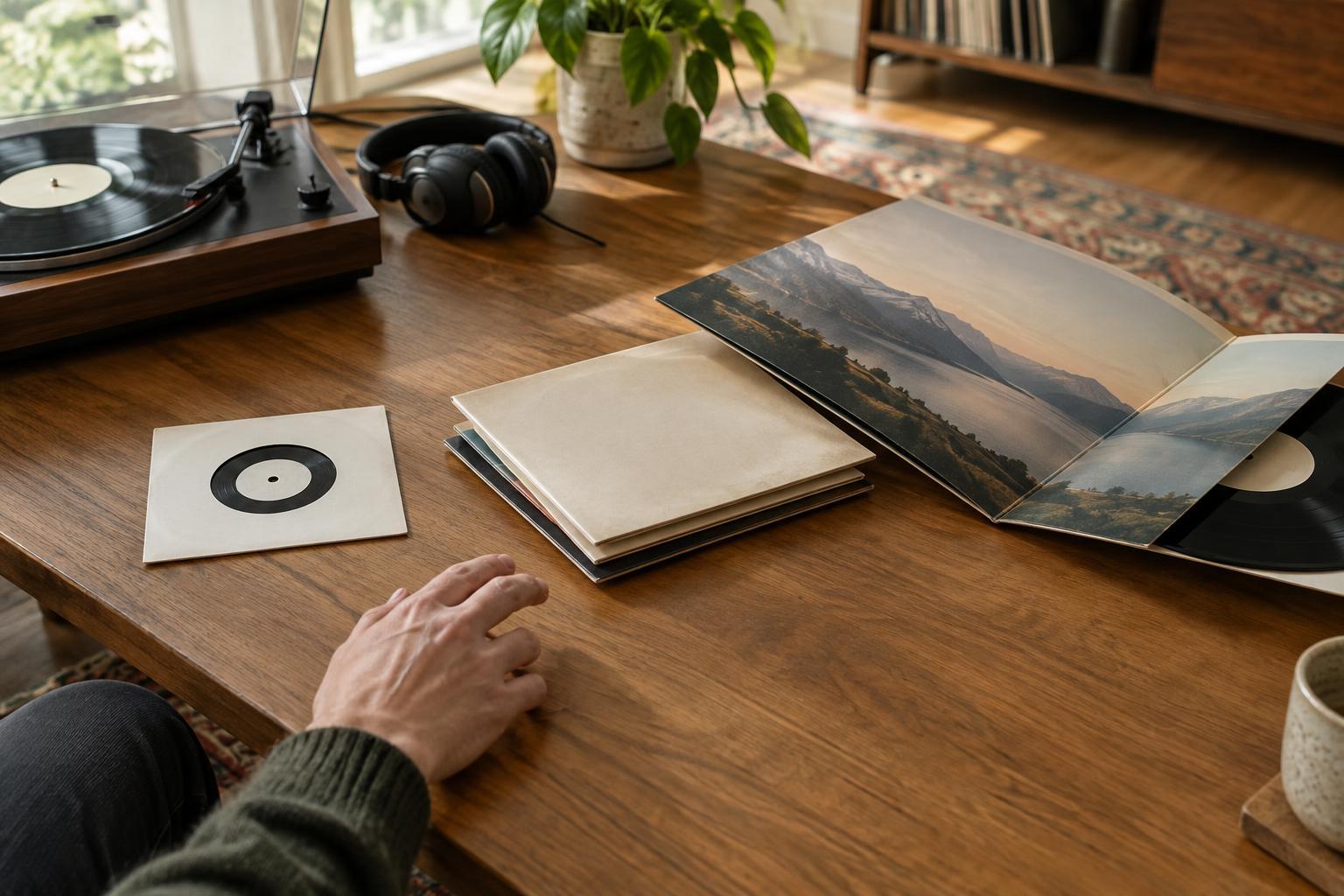
Credits can be a map, but they are not always complete or equally detailed across releases. Check the album notes, an artist’s own release information, or the credits available in your listening app, and treat anything unclear as a lead rather than a certainty. Once you find a collaborator, sample a few tracks where their role is easy to hear. A guest appearance may show how they respond to someone else’s style; their own work may reveal a very different approach.
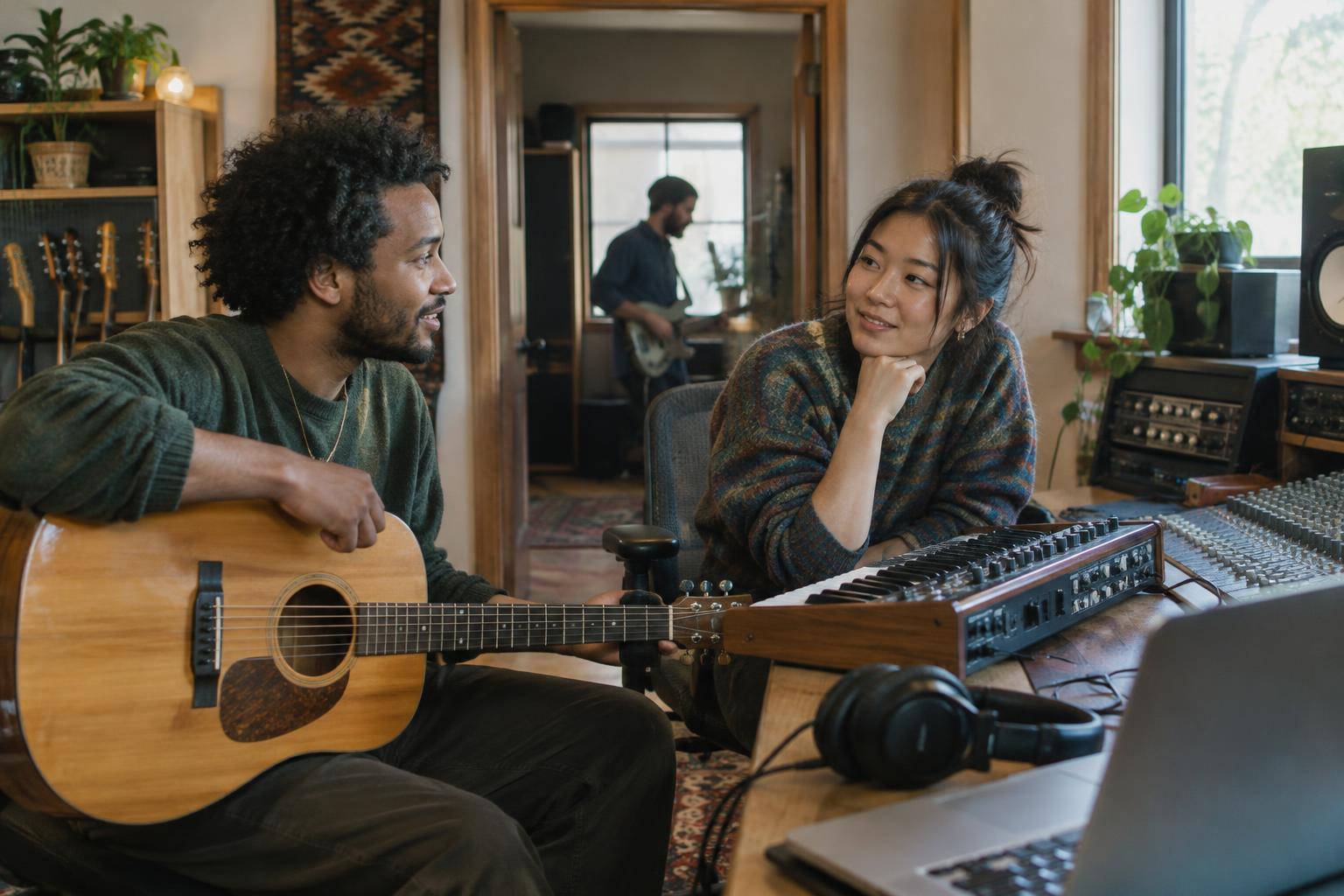
Try moving in short steps instead of opening dozens of tabs. Play the collaboration, one track by the collaborator, and then one track that collaborator made with somebody else. Ask what carries across the three: a vocal technique, a way of building tension, or an interest in certain textures. The answer might be ‘not much,’ and that is useful too. Collaboration can be a meeting between contrasting artists, not proof that their wider catalogs will sound alike.
Look beyond the featured-artist line
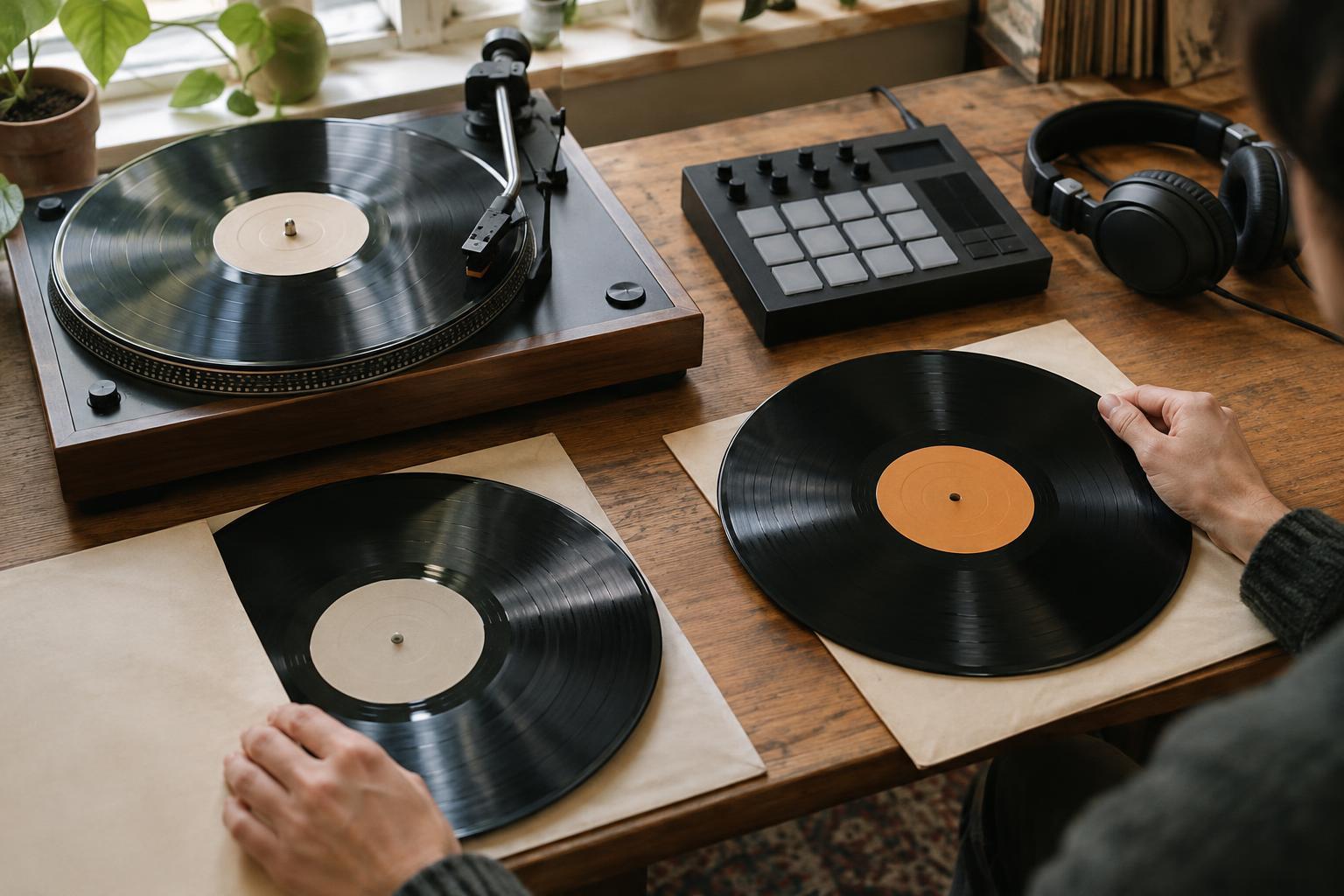
A name in a song title is only one kind of connection. Remixes can show what another artist hears inside the same material. Shared songwriting or production credits can lead to work in a different style. A live performance with a guest musician may highlight a skill that sits quietly in studio recordings. Even the choice of an opening act or tour partner can suggest an artistic connection, though it is worth judging the music for yourself rather than assuming a shared sound.
Different routes answer different listening questions. If you like a melody, look into its writers. If the mix or atmosphere draws you in, explore the producer’s other work. If two voices play off each other well, listen to each performer separately. These are prompts, not rules: credits describe participation, but your ears decide which connection matters. Keeping that distinction makes the search feel less like detective work and more like listening.
Make room for unexpected turns
The most interesting path may leave your starting artist’s genre behind. A vocalist might appear on an electronic track, collaborate with a jazz ensemble, or contribute to a stripped-back acoustic recording. Instead of deciding immediately whether the new style is ‘for you,’ give one unfamiliar track a full listen. Notice what remains recognizable and what changes when the artist works in another setting.
If a branch does not connect, turn back without treating the detour as a failure. You can try another collaborator from the original song or choose a different role to follow. It also helps to vary your starting points: a favorite chorus one day, an unusual bass line the next. That keeps you from tracing the same circle of closely related artists every time.
Keep a small trail you can revisit
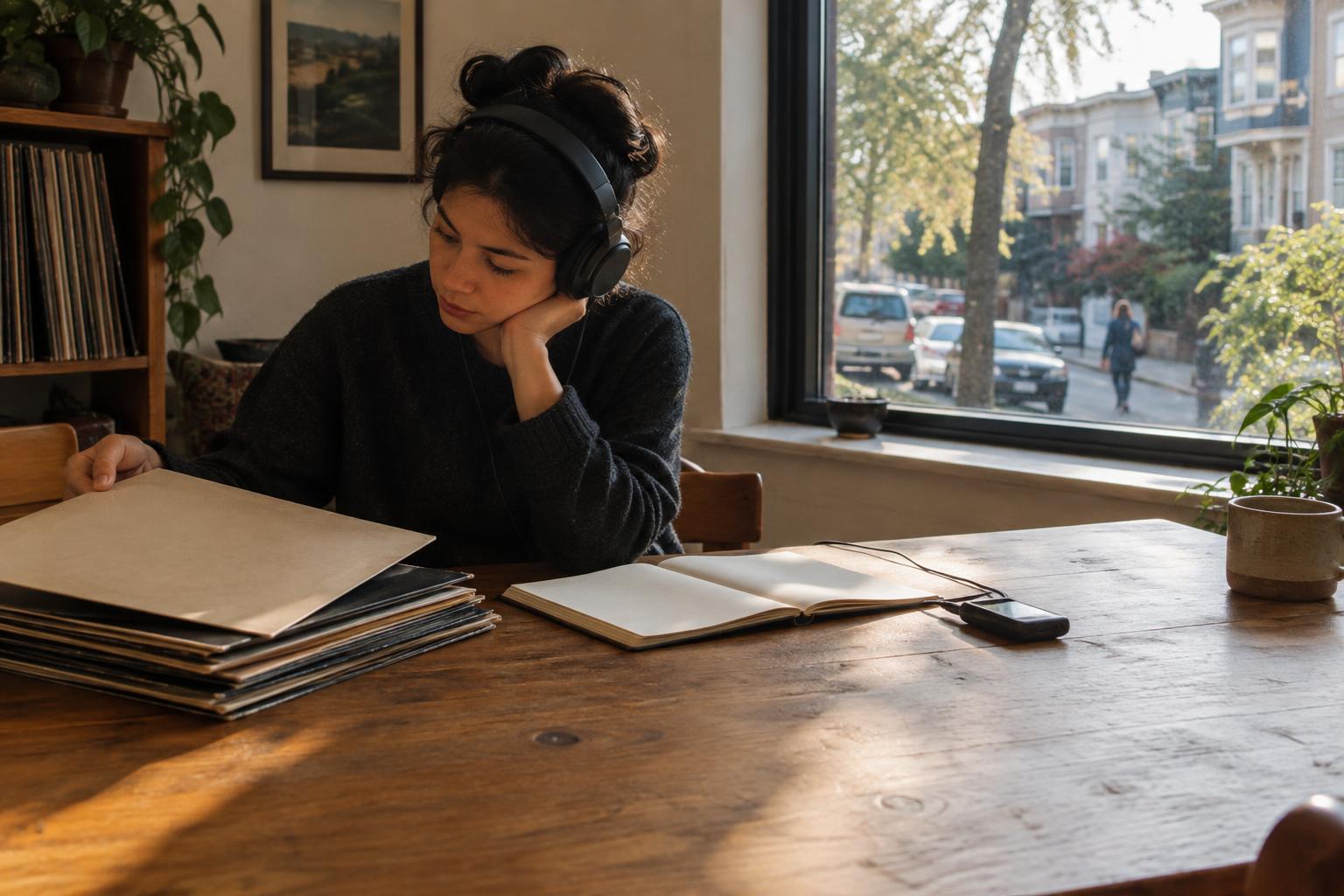
A simple note can make this approach more satisfying. Record the track you began with, the name you followed, and one sentence about what caught your ear. For example, you might write that a guest’s restrained delivery made you curious about their solo songs. The note preserves the reason for your choice, which is often more helpful than a long list of names with no context.
Build a short playlist from the discoveries you want to hear again, rather than saving every track you sample. After a few listening sessions, look for connections across your choices. Perhaps you keep returning to spacious arrangements, conversational vocals, or playful percussion even as the genres change. Following collaborations can introduce new artists, but it can also teach you how to describe your own taste—and give you a clearer starting point for the next search.