Start with the question you want to answer
Finding a new artist does not require listening to everything they have released. A better starting point is to ask what you want to learn. Are you looking for a song that suits a particular mood? Do you want to know whether a sound you heard in passing is typical of the artist? Or are you curious about the larger world they build across a record? Each question suggests a different depth of listening.
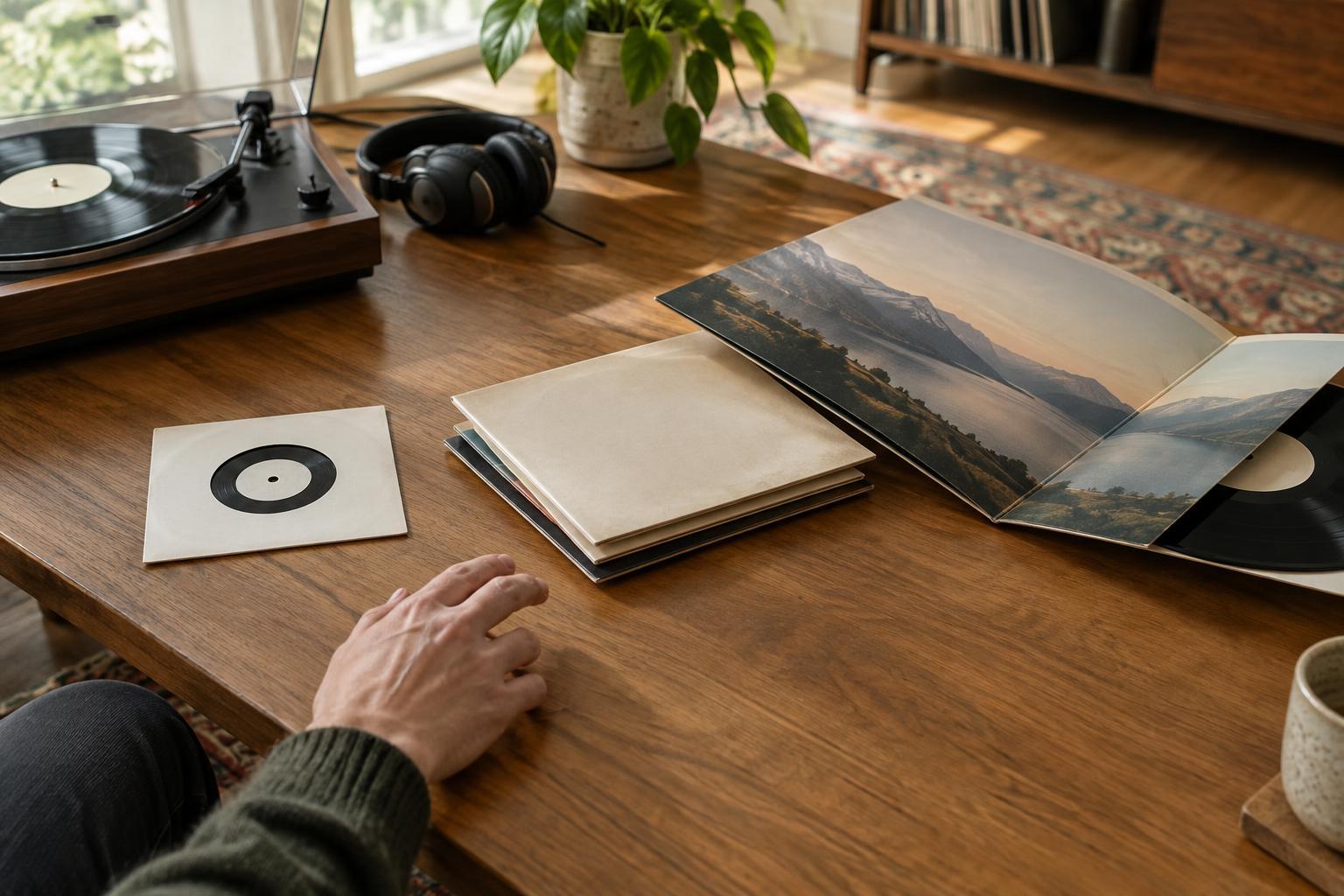
A single offers a quick introduction, an EP gives you a small collection to compare, and an album asks for more time. These are useful guides rather than strict definitions of ambition or quality. An artist may use a short release to take a bold turn, while an album may gather songs that work best on their own. Choose your next listen by curiosity, not by an assumed ranking of formats.
Use a single to find an entry point
A single is useful when you have only a few minutes or when a recommendation mentions one specific track. Listen for what catches your attention: a voice, a rhythm, a lyric, an instrument, or the way the recording creates space. If the song stays with you, replay it before moving on. A second listen can bring a quiet detail forward after the main hook has become familiar.
Try not to treat one track as a complete verdict on an artist. Singles often introduce one side of a sound, and a memorable song may be unlike its neighbors. If you want a little more context, play another track from the same release period, or choose one with a contrasting mood. The aim is not to confirm whether the artist is “good”; it is to find out whether you want to hear more.
Choose an EP when you want a wider sample
An EP can be a comfortable middle step between sampling a song and committing to an album. With several tracks together, you can hear what remains consistent and what changes. Perhaps the same vocal style runs through different arrangements, or a lively opening gives way to a quieter ending. Those comparisons may tell you more about your connection to the music than another isolated single would.
Give an EP one uninterrupted listen if you can, then return to the track you remember most clearly. Notice whether its appeal comes from the song itself or from its place among the others. There is no need to search for a grand concept in every short release. Sometimes an EP is simply a useful set of ideas, and enjoying one of them is reason enough to keep exploring.
Make room for an album’s shape
An album is worth choosing when you are interested in how songs relate over a longer stretch. The opening track may establish a mood, a later song may change its direction, and a closing track may leave a different impression from the first. Even when the songs do not tell a single story, their order can affect how you hear them. That is difficult to catch when every track arrives through a shuffled queue.
You do not need perfect concentration to benefit from an album. Put it on during a familiar task, or listen to part of it and return later. If a section loses you, note where your attention changed rather than forcing yourself to admire it. A full listen can help you understand an artist, but it is not a test of patience. Some albums invite repeated visits; others give you one or two songs to carry away.
Let one listen suggest the next
A simple path is to begin with the song that sparked your interest, move to an EP or a few related tracks, and try an album if questions remain. You can also go in reverse: if a full record feels too much at first, save one track and return to it on its own. Pay attention to what you actually seek out again, not just what you think you should appreciate.
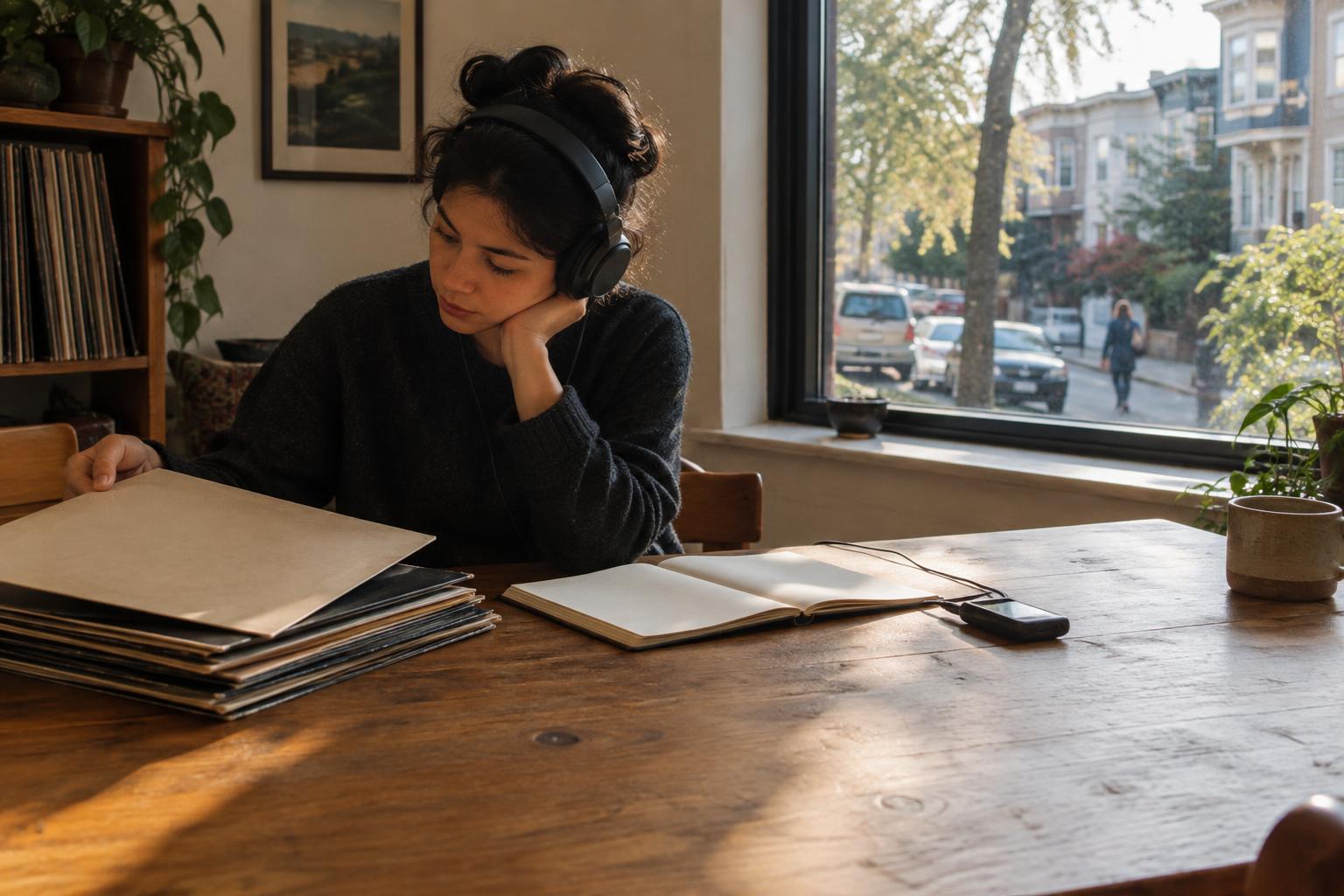
Keep a short note if you discover music often: a song title, the mood it suited, and what you might try next. That small record helps separate artists you want to revisit from names you merely recognize. Depth is a choice you can make again at any time. Sometimes discovery ends with one beloved single; sometimes it opens into a whole catalog. Both are satisfying ways to listen.