Start with the ways people encounter audio
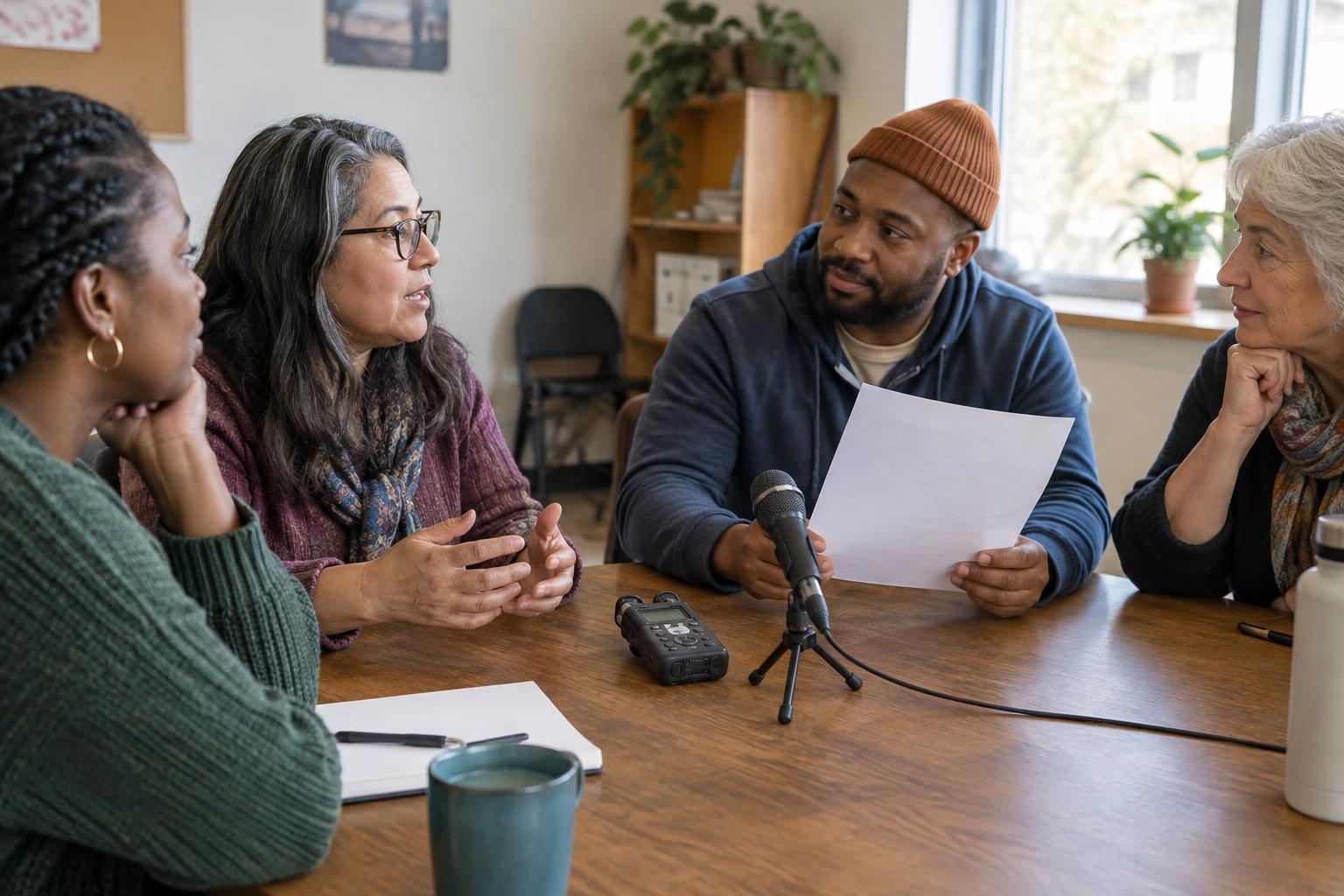
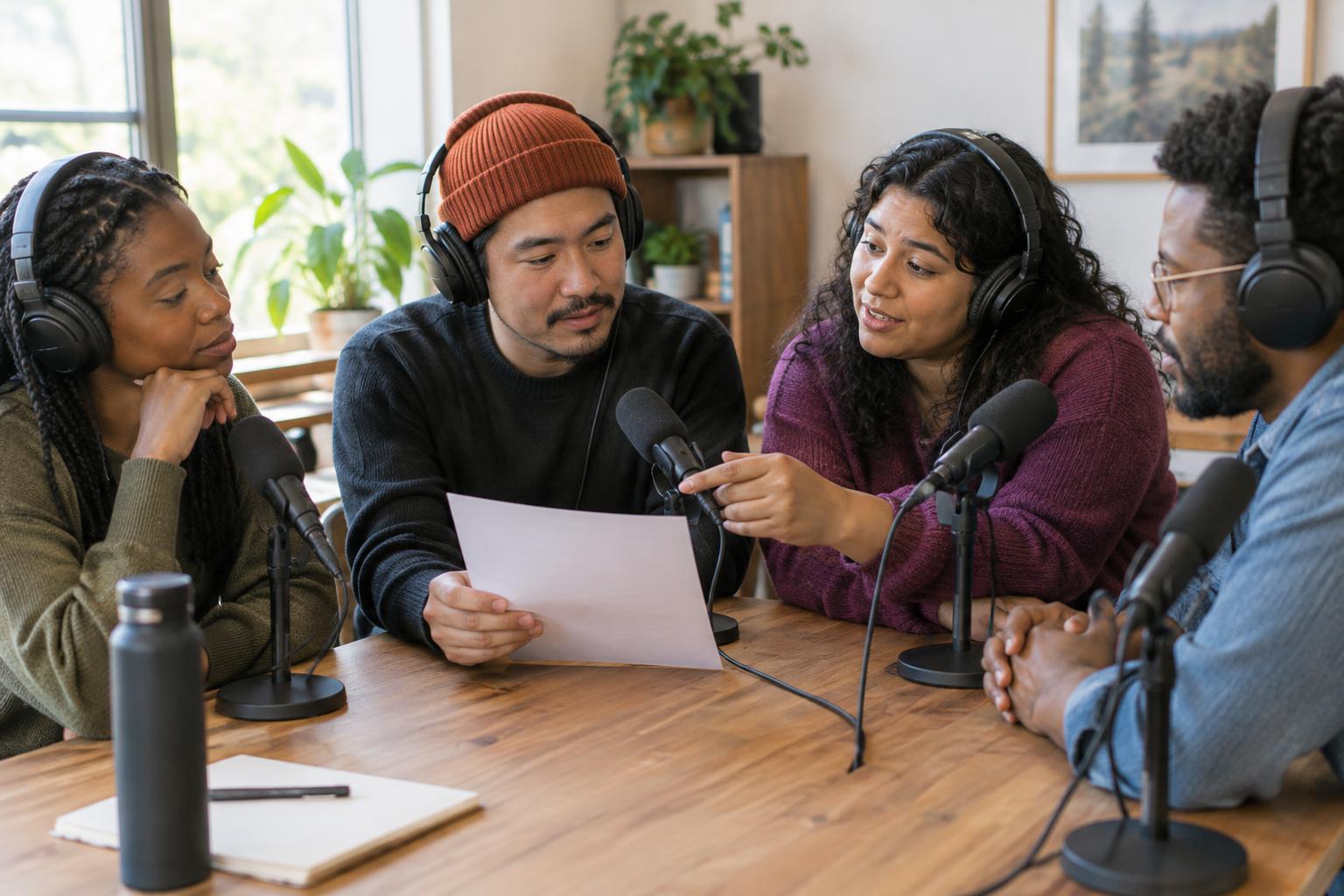
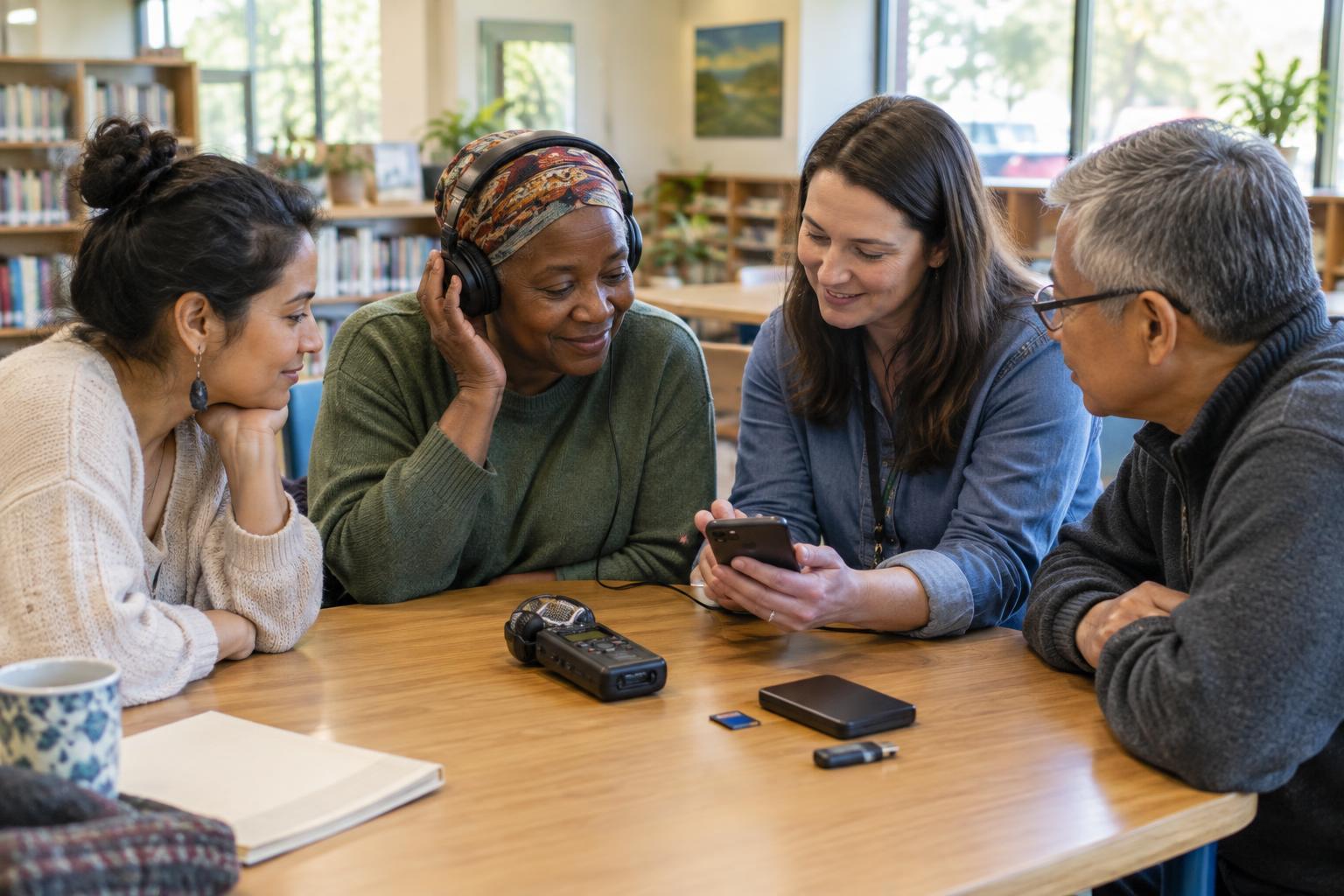
A neighborhood interview, oral history or community-made podcast may reach someone on a noisy bus, in a quiet room, or through a page they can read rather than listen to. A transcript gives people another way to engage with the material. It can help someone who cannot hear the recording, finds speech difficult to follow, wants to check a name, or needs to locate a particular part of a conversation.
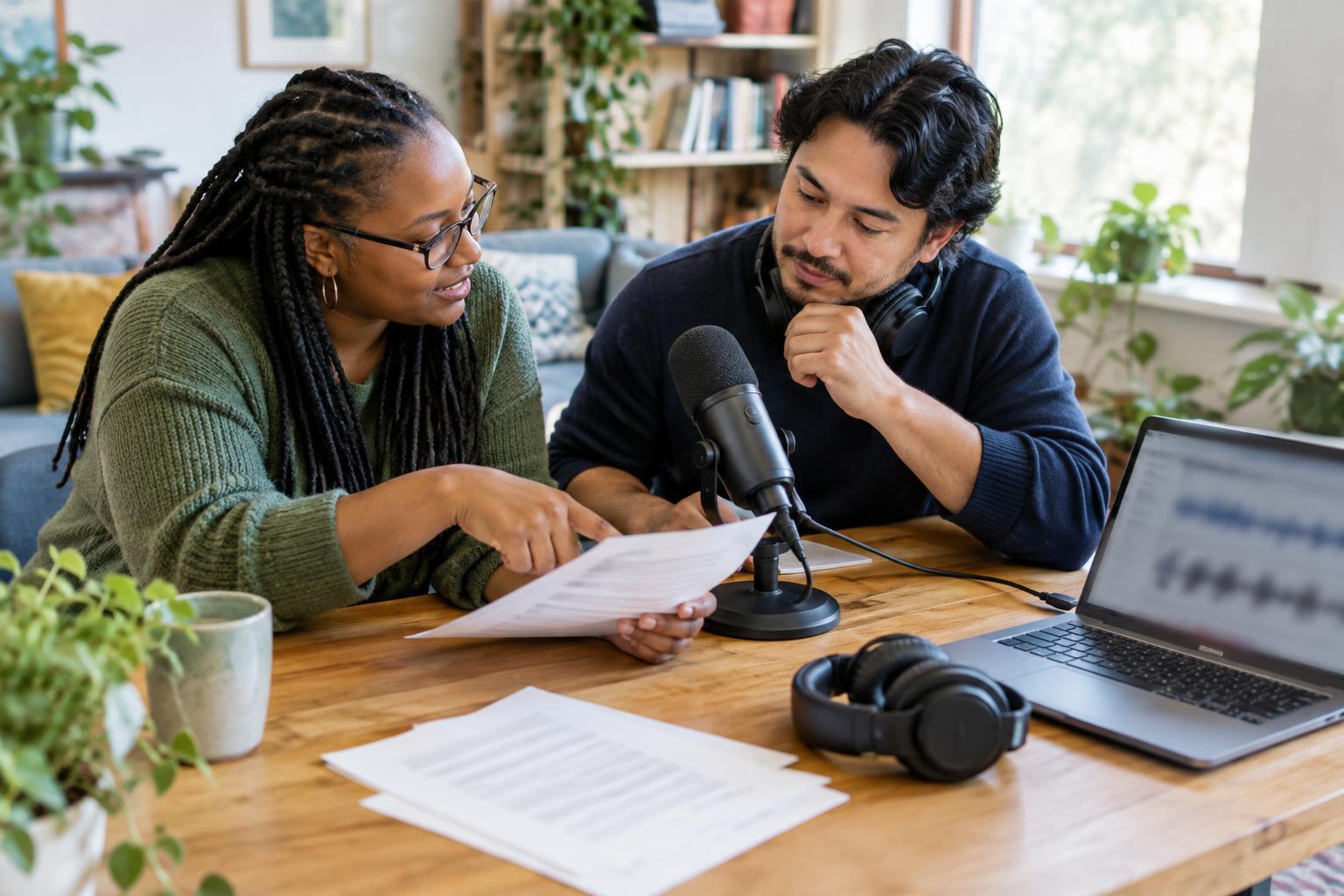
Accessibility is most useful when it is part of the publishing plan, not a task added after the episode is finished. Before recording, decide who will prepare the transcript, what identifying details participants have agreed to share, and where the text will appear. Leave time to review it with the audio. Automated transcription can provide a starting point, but it may mishear names, accents, overlapping voices and local terms.
Make the transcript faithful and readable
A good transcript represents what a listener can learn from the recording without turning every breath into a distraction. Give each speaker a consistent label, such as a name used in the episode or “Interviewer” and “Guest.” If a speaker is not identified, do not guess. Break long stretches of speech into manageable paragraphs, and add timestamps at useful intervals or when topics change, especially for longer recordings.
Edit for clarity with care. Correct transcription errors, but avoid silently changing a participant’s meaning or smoothing away distinctive language. If you remove repeated words or false starts for readability, apply that approach consistently. Mark passages that remain unclear rather than inventing a plausible phrase. When a participant uses a name or place that needs verification, check it against the recording and any information they supplied.
Sounds sometimes carry part of the story. Brief notes such as “[door closes],” “[audience laughs]” or “[music fades under speech]” can explain a pause or a reaction. Describe the sound, not your interpretation of someone’s feelings. A note like “[long pause]” is more grounded than “[speaker becomes embarrassed]” unless the speaker says so.
Write descriptions that help people choose and follow
The short description beside an episode serves a different purpose from the transcript. It should tell a prospective listener what the piece is about, who is speaking when that matters, and which topics or sounds shape the experience. “Residents discuss the future of a shared garden, with recordings from a planting day” offers more guidance than “A conversation you won’t want to miss.” Put the essential information first so it remains useful when a platform displays only the opening lines.
Descriptions can also prepare people for audio that is difficult to understand without context. If an interview was recorded outdoors, mention that traffic or wind is audible when it affects comprehension. If a section relies on an archival clip, a song or a crowd response, explain its role in the episode and in the transcript. Keep these notes concise; they should orient the audience, not tell them what to think.
Describe images and navigation, too
Community audio often travels with a cover image, event photograph or illustrated episode page. When an image conveys information, write alternative text that communicates that information to someone who cannot see it. For example, an image showing three interview participants beside a mural may need a description of the people and setting. Decorative flourishes do not need a detailed account. Avoid packing an image description with promotional language that does not describe the image.
Place the transcript where people can find it from the episode page, and label the link plainly, such as “Read the transcript.” Use clear headings if the text is long. If you offer an audio player, check that its controls have understandable labels and can be reached without a mouse. A separate transcript file may be convenient for downloading, but an easy-to-read page gives visitors a direct option without requiring another app.
Build a manageable review routine
Small teams can make this work with a repeatable checklist. First, prepare a draft transcript. Next, listen while reading and correct words, speaker labels and sound notes. Then review the episode description, image text and transcript link together on the published page. Ask a second person to check unfamiliar names and whether a reader can follow changes of scene without hearing the audio.
For community stories, give particular attention to consent and context. A transcript makes spoken words easy to search and quote, which may matter to participants who expected only an audio recording. Discuss publication plans before release, especially when a story includes sensitive personal details. If a correction is needed later, update the accessible text alongside the audio notes so the two versions do not drift apart. The aim is not a perfect description of every sound; it is a trustworthy path into the story for more people.