Start with what the listener needs to hear
Mono recording captures one audio channel. Stereo recording captures two channels that can differ, giving a listener cues about where sounds sit and how a space feels. Neither format is automatically more professional. The useful question is whether left-to-right differences help tell the story or distract from it.
For a spoken introduction, interview answer or narration, listeners usually need intelligibility and a consistent voice level. Mono is often the simplest choice because the voice can stay centered when played through two speakers or headphones. For a walk through a market, a rehearsal room or a quiet garden, stereo may help convey the surroundings. The decision depends on the sound you want to preserve, not just the equipment available.
Why a single voice usually works well in mono
A single microphone aimed at one speaker generally produces one useful channel. Record it as mono, or treat the resulting channel as mono in your editor. If a recorder creates a two-channel file with the same microphone signal on both sides, that is not a spatial recording: it is effectively the same voice duplicated. Keep the voice centered in the final mix unless moving it serves a clear creative purpose.
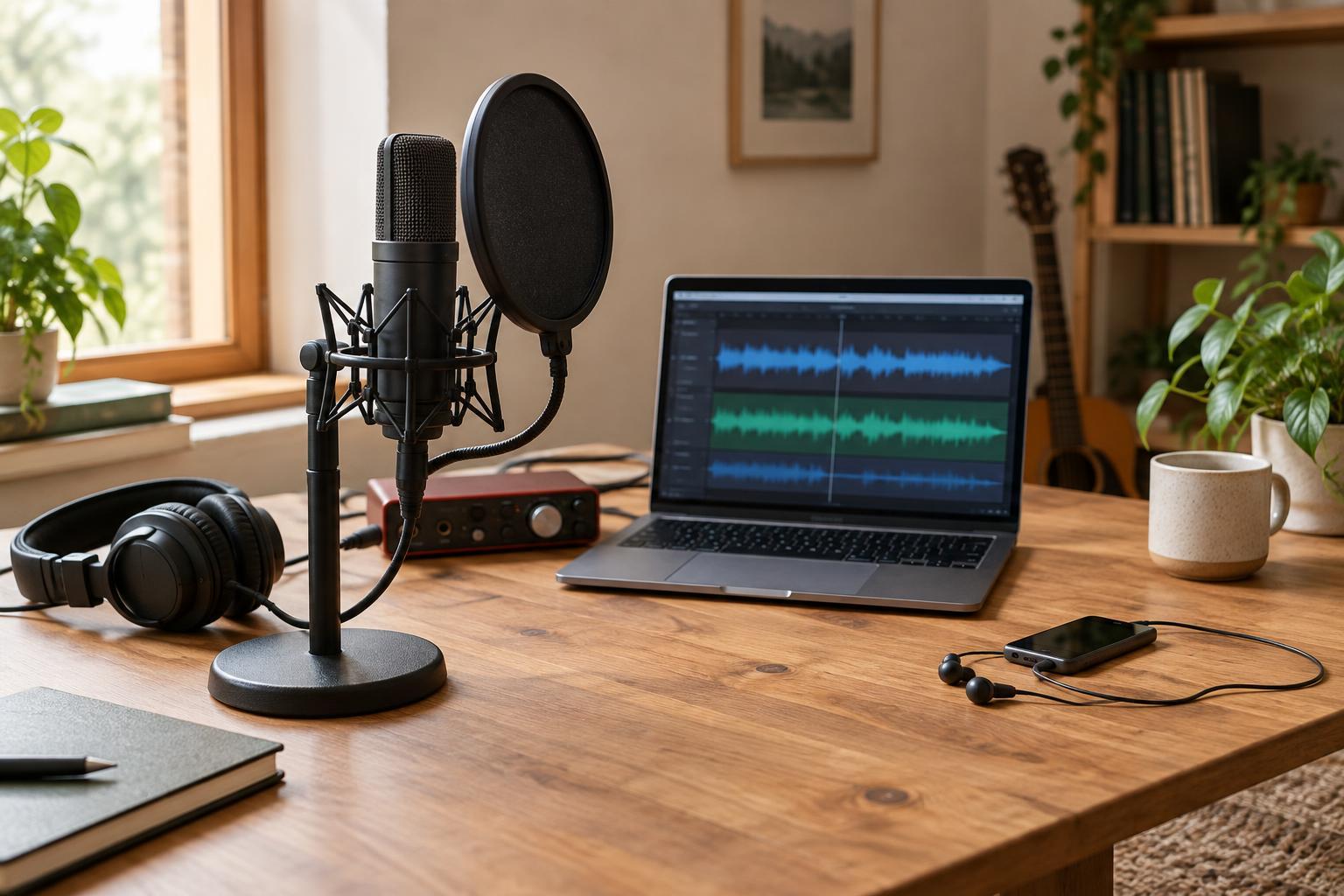
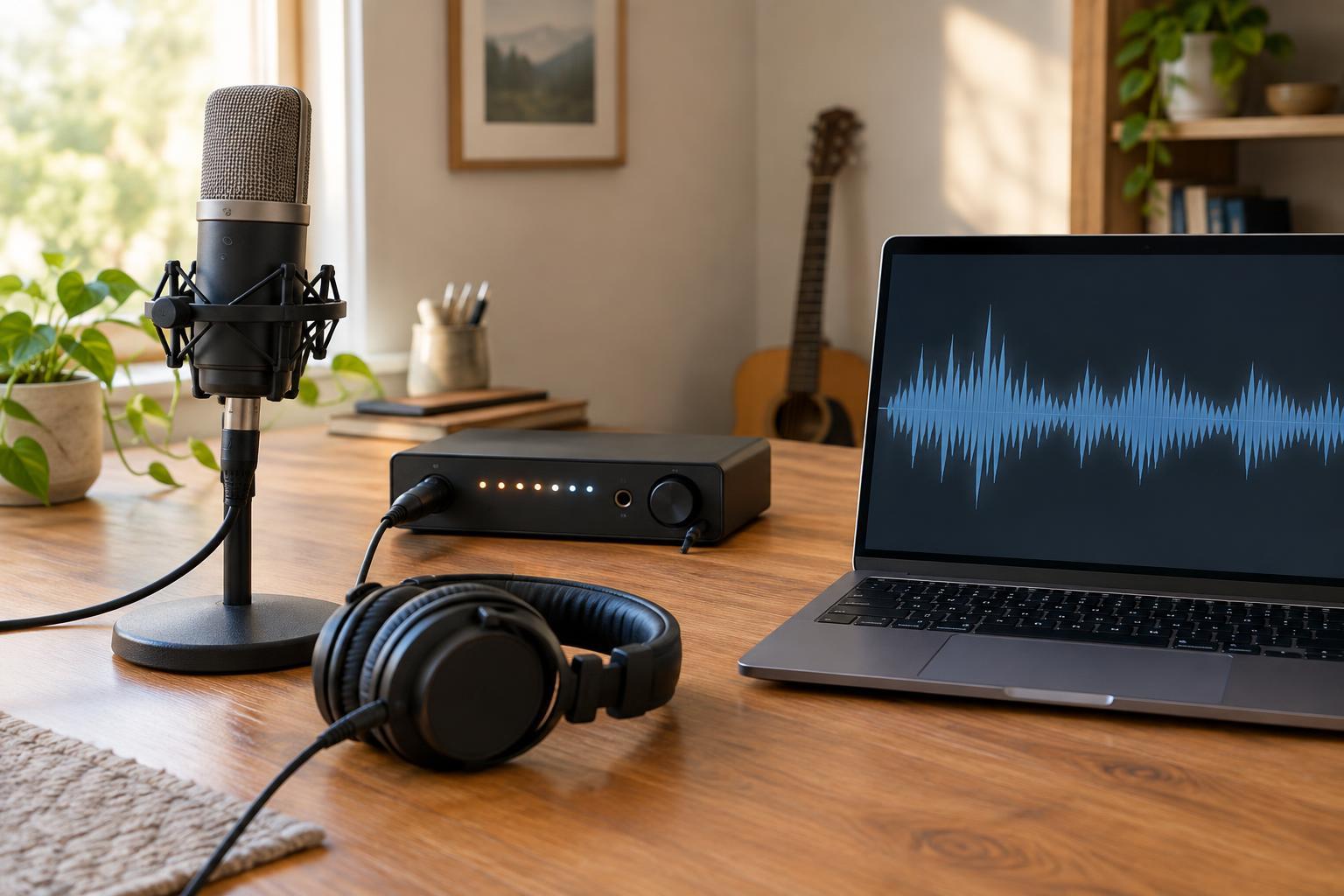
Microphone position often matters more than channel count. Place the microphone close enough for a clear voice while leaving room for natural movement, and keep its position reasonably steady. Listen for breath bursts, clothing noise and changes in distance. Record a short test at the volume the speaker expects to use, then listen back through headphones. A stereo setting cannot rescue a voice that is too quiet beneath room noise.
Two people do not necessarily require a stereo recording. Separate microphones recorded to separate tracks can give you control over each voice during editing. You can still place both voices near the center for comfortable listening. By contrast, putting one person only on the left and the other only on the right can feel tiring, especially on headphones.
When an environment benefits from stereo
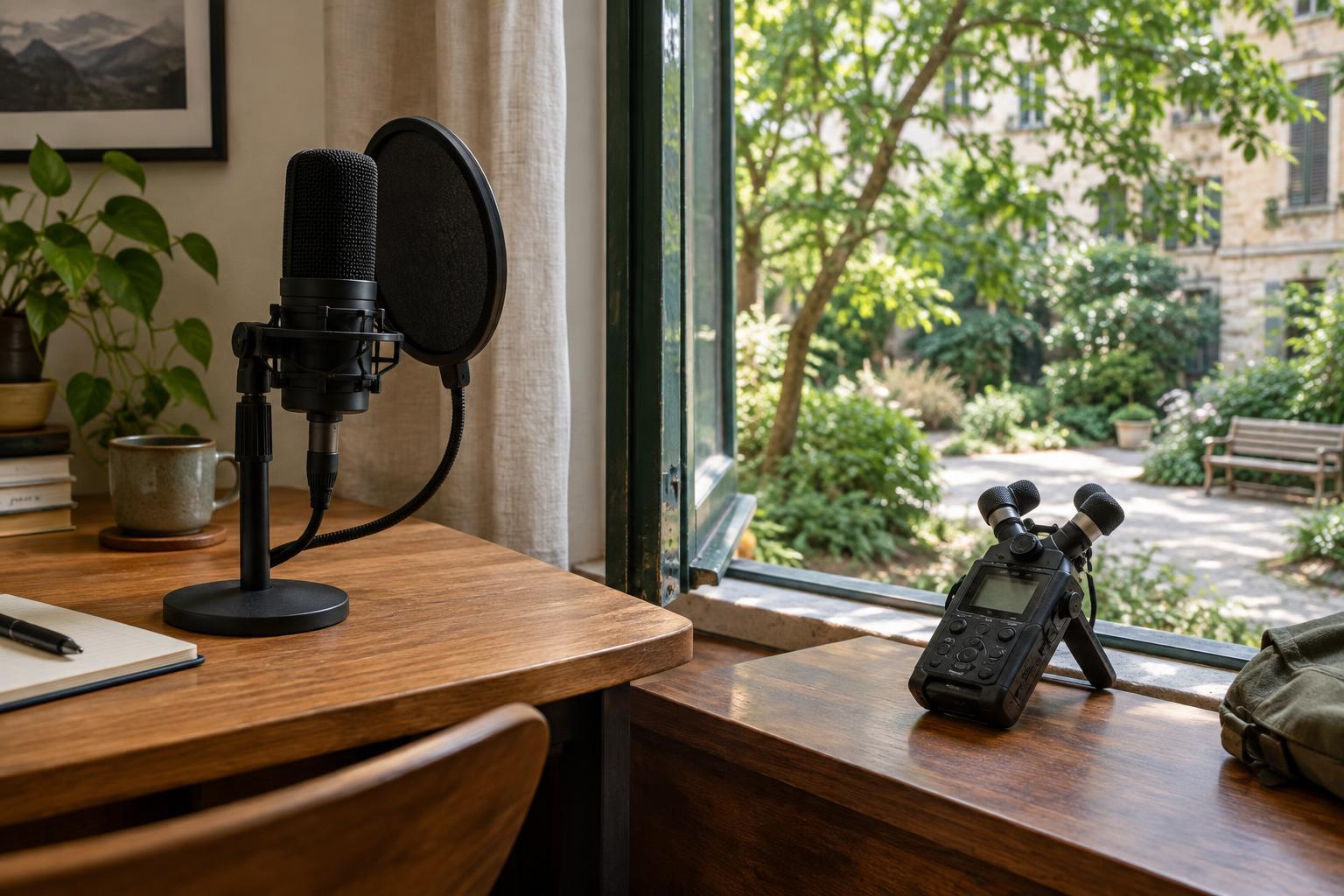
An environment may contain movement and contrast worth hearing: footsteps passing from one side to the other, activity spread across a room, or the width of an outdoor setting. A stereo microphone or a matched pair of microphones can capture some of those differences. Use stereo when that sense of place supports the scene, rather than as a default for every background sound.
Set the recorder down or hold it steadily before capturing an ambient passage. Handling noise and rapid changes in direction can draw attention away from the setting. Record longer than you think you need so an edit has room to breathe, and listen for sounds you did not notice at the time. If a particular sound is central to the story, consider recording a closer, clearer version as well as the wider ambience.
Mono ambience can also be useful. A steady room tone behind dialogue may not need width, and a focused sound such as a door closing may be easier to position deliberately in the edit. Combining a clear mono detail with a quieter stereo background can communicate both the action and the space around it.
Know what your recorder is actually capturing
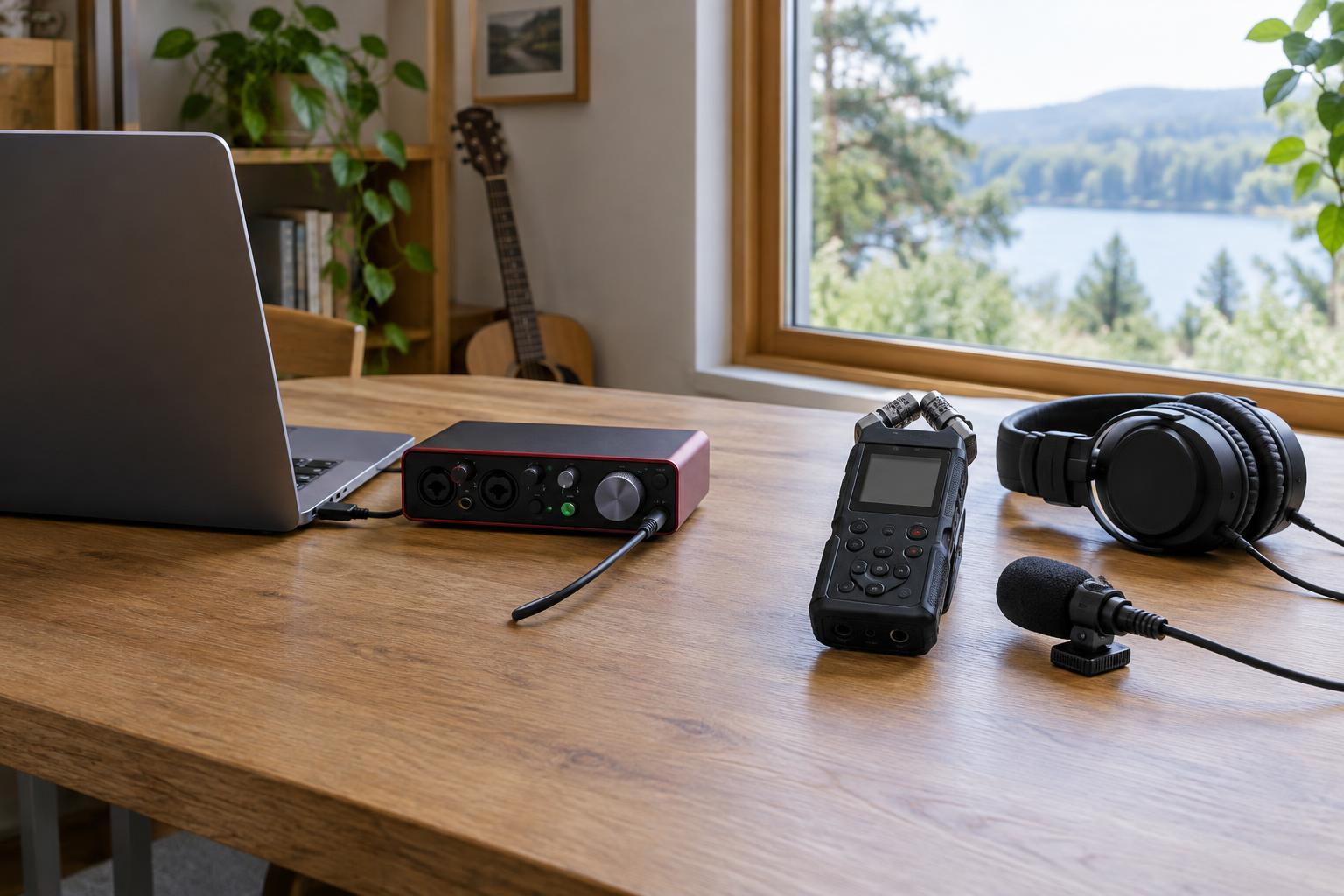
A file with two channels is not always a stereo scene. Some recorders put different microphones on the left and right channels; others capture two copies of the same source or offer a second channel at a different level. Check the recorder’s input settings and listen to each channel separately. If one side contains the main voice and the other contains a backup, treat them as alternative recordings, not as a left-right pair for the audience.
For stereo recording, placement matters. A stereo microphone facing the scene can give a more coherent sense of space than two microphones placed without a plan. Avoid moving one microphone independently during a take unless that change is intentional. If you are unsure whether a setup helps, record a brief comparison in mono and stereo and judge it by listening, not by looking at the waveform.
Make the final mix work on different speakers
During editing, keep the main voice easy to follow and let environmental sound support it. Stereo ambience can sit behind centered speech, but reduce it when it masks words. Listen on headphones and through a single small speaker if you can. These checks reveal different problems: headphones can make exaggerated width obvious, while a single-speaker check can show whether important details get lost when left and right are combined.
Combining stereo channels into mono can change the sound if the channels contain signals that partly cancel each other. This is one reason to check a stereo field recording in mono before relying on it for an essential moment. Keep a short test workflow: record, listen to each channel, check the mix in stereo and mono, then decide what serves the listener. Clear voices and purposeful surroundings matter more than choosing one format for everything.