Two paths into unfamiliar music
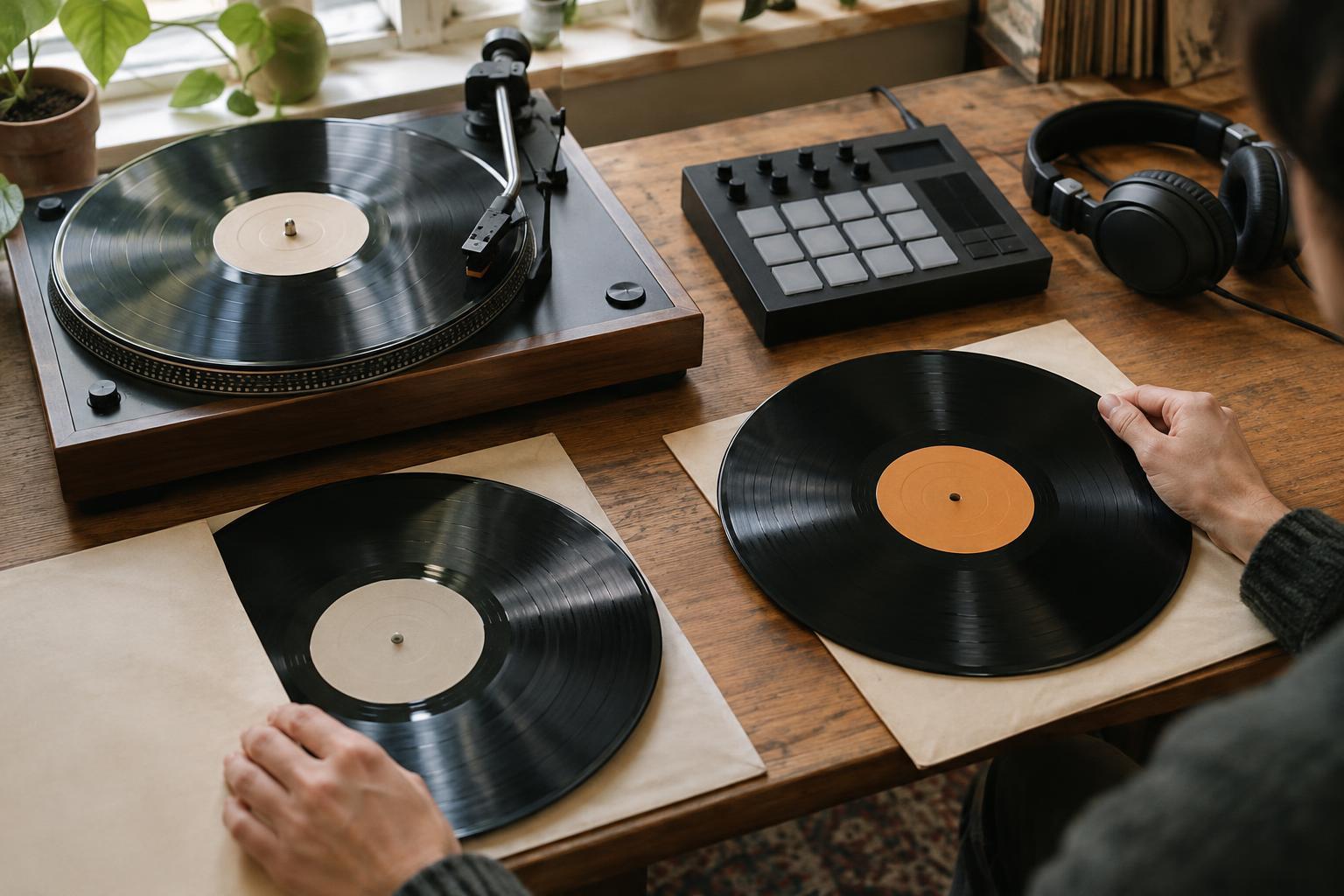
Music discovery often starts with a simple choice: listen to something that has just come out, or explore something you missed. New releases can introduce you to artists as their work unfolds. Back catalogs let you follow an artist, label, genre or local scene through recordings already available. Neither path is more adventurous by default. A new song can sound familiar, while an older album can change how you hear everything around it.
The useful distinction is the kind of question each path invites. With a new release, you might ask, “What is this artist trying now?” With a back-catalog recording, you might ask, “What led to this sound, and what came after it?” Moving between those questions can make discovery feel less like collecting recommendations and more like developing your own curiosity.
Use new releases to hear music in motion
New releases are an easy entry point when you want variety. Pick one manageable source of suggestions, such as a favorite record shop’s selections, an artist you already follow, or a playlist made by someone whose taste you trust. Choose a few tracks rather than trying to keep up with everything. You can notice what catches your ear without treating every release as something you must rate or remember.
Give a promising track more than one context before deciding whether it belongs in your rotation. Hear it on its own, then try the surrounding EP or album if there is one. Notice the arrangement, the voice, the rhythm or the production choice that made you stop. If an artist is new to you, one earlier recording can offer a helpful comparison. The goal is not to predict what will become important; it is to give your interest somewhere to go.
Let back catalogs reveal connections
A back catalog offers a different pleasure: the chance to trace changes over time. Start with a record you like and move one step in a chosen direction. You could listen to the album before it, explore a collaborator’s work, or look for another release from the same label. Following one connection at a time keeps a large catalog from becoming overwhelming. It also makes your discoveries feel earned without requiring expert knowledge.
Try listening for both continuity and change. Does an artist return to a particular melody, texture or lyrical concern? Do different recordings leave more or less space around the instruments? Those observations are useful even if you cannot name a technique or place a song within a genre. You can also begin with an older recording you have heard referenced but never played. Approach it as music to experience, not a landmark you are obliged to admire.
Build a small bridge between the two
New and older music become especially rewarding when they lead into each other. If a new release reminds you of a sound you cannot quite identify, follow that impression into an earlier artist or recording. If a back-catalog favorite makes you curious about where an idea went next, seek out a more recent interpretation. The connection does not need to be a direct influence. A shared mood, instrument or approach to songwriting is enough reason to explore.
One simple routine is to pair each new find with one older recording, or each catalog discovery with one current artist. Keep the pairing loose: a sparse acoustic song might lead you to a recording from another decade with similarly close, quiet vocals. Listen for the differences as well as the resemblance. This kind of comparison can sharpen your attention without asking you to study music history before you press play.
Make discovery a habit you can enjoy
A listening habit works best when it fits the time and attention you have. You might set aside one focused session a week, then save casual listening for the rest of the time. Keep a short list of tracks worth revisiting and add a note about why each one stayed with you. “Great bass line” or “unexpectedly gentle ending” is enough. Your notes are prompts for future listening, not reviews for an audience.
Leave room to stop following a trail. Not every album will click, and a catalog does not have to be completed to be worthwhile. Return to a favorite when you want to, then take a different route when curiosity returns. New releases bring the excitement of hearing what someone has made next; back catalogs offer space to hear how sounds connect. Together, they give you more ways to find music that matters to you.