Give the clip a job in the story
An archival clip should do more than make a piece sound old or important. Before adding one, ask what the listener will learn from hearing the original recording rather than hearing you describe it. A speaker’s hesitation, a room’s response or the sound of a familiar place may convey something narration cannot. If the clip adds only atmosphere, consider whether a simpler sound choice would serve the story without introducing questions about context and use.
Write a one-sentence purpose for each candidate clip: “This shows how the speaker described the event at the time,” for example. Then listen to the surrounding material, not just the memorable excerpt. A sentence that seems decisive in isolation may be part of a question, a joke or an argument the speaker later corrects. Knowing what came before and after helps you select a passage that is both compelling and fair.
Trace where the recording came from
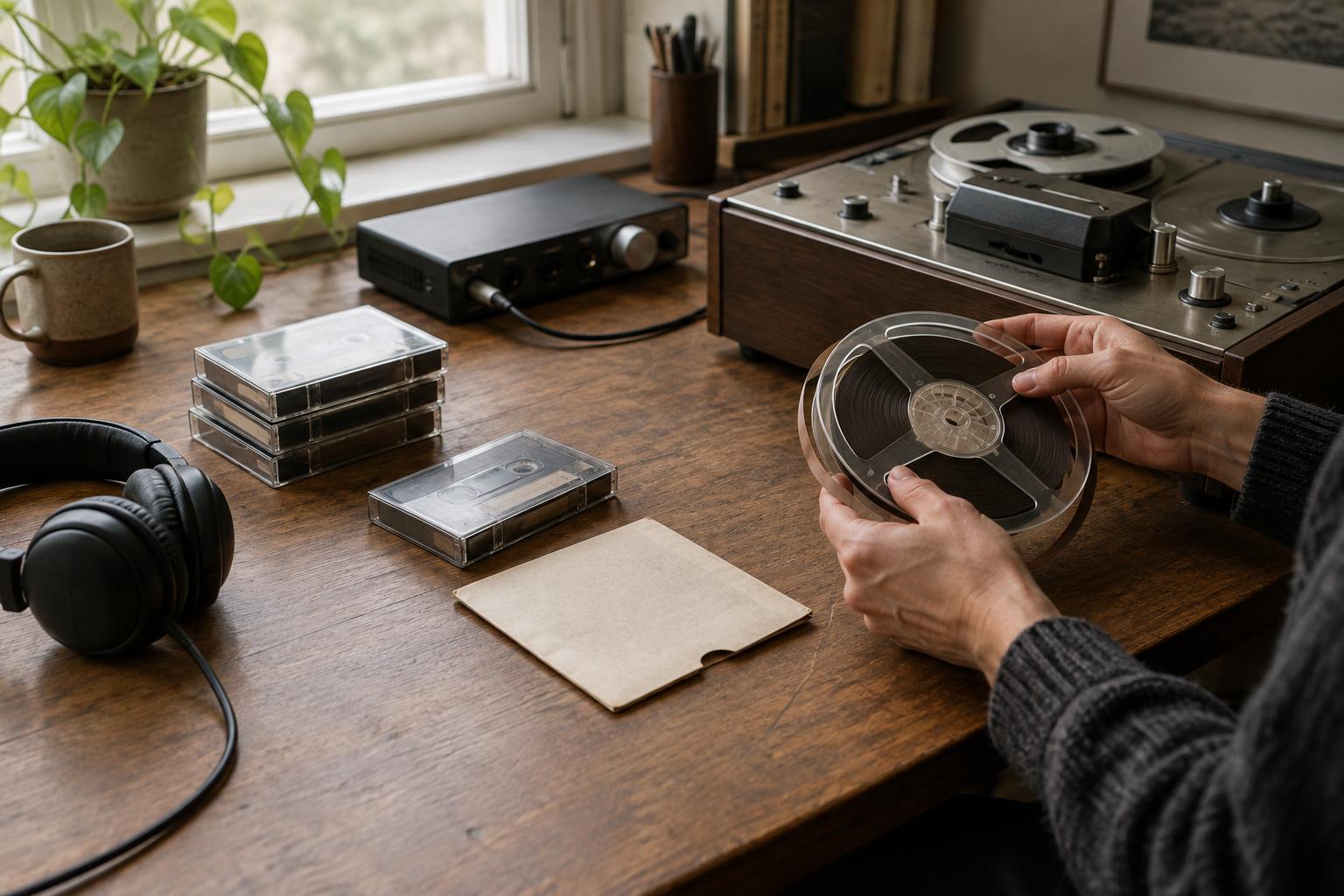
Keep a working record of the clip’s source, the original recording’s title or description, the speaker if known, and any available information about when, where and why it was made. Note whether you have heard the original or a version edited by someone else. An unidentified file passed between producers may be useful as a lead, but it is a weak foundation for a claim about what happened.
Check labels and descriptions against what the audio itself supports. A recording attributed to one event might contain an introduction mentioning another, or several speakers may be difficult to distinguish. When details cannot be established, avoid filling the gaps with confident narration. You can tell listeners that a date is approximate, a voice is unidentified or the surviving recording begins mid-conversation. That honesty can make the piece easier to trust.
Consider permission and the people in the audio
Finding a recording online or in a collection does not necessarily mean you can reuse it freely. Before publishing, look for the collection’s usage terms and identify who may control rights in the recording or any material it contains. Keep copies of permissions and restrictions with your production notes. Rules and exceptions vary by place and use, so seek appropriate guidance when the status matters and remains unclear.
Permission is not the only consideration. An old interview may include someone discussing trauma, private family matters or a community that has often been spoken for by outsiders. Ask whether the excerpt is necessary, whether it could expose someone unexpectedly, and whether a living participant or relevant community can offer perspective. These questions do not always have simple answers, but they belong in the editorial decision rather than being left until the final mix.
Edit for clarity without changing meaning
Trim pauses and noise carefully, but never use an edit to turn a qualified statement into a certain one or to imply that two remarks were made together when they were not. Save an untouched copy of the source and keep a note of the time range used. If you combine excerpts from different points in a recording, a brief transition in narration can help listeners understand that they are hearing a selection, not one continuous exchange.
Technical cleanup should help the audience hear the clip, not make it seem like a modern studio recording. Gentle level adjustment or noise reduction may improve intelligibility; aggressive processing can erase meaningful background sounds or create artifacts that resemble words. Compare the cleaned version with the original before you lock the edit. If a crucial word remains uncertain, do not build a major conclusion on your best guess.
Let listeners know what they are hearing
Introduce a clip with the context needed to understand it: who is speaking, what kind of recording it is and what is known about the occasion. Give listeners room to hear the voice before interpreting it for them. Afterward, explain why the moment matters to the story, and distinguish what the speaker believed then from what your piece can establish.
Credits can be spoken, placed in accompanying episode notes, or both, depending on the format and any usage requirements. Make them specific enough that a listener could identify the source. In a final review, listen as someone who has never seen your research notes: Could they mistake the clip’s date, speaker or setting? Could an edit suggest an answer the original did not give? Responsible archival storytelling preserves the force of an old recording while making its limits audible too.