Start with one sound you want to follow
When a song catches your attention, the lead artist is the most obvious person to explore. But the credits can offer other paths. The warm keyboard part, unusual drum texture, or striking turn of phrase may point toward someone who has contributed to many recordings without appearing as the featured performer. Following those people can reveal connections across genres and introduce you to music you would not have found through artist recommendations alone.
Begin with a specific question rather than a long list of names. Do you want to hear more of a vocal production style? Are you curious who wrote the melody? Is a particular instrument the reason you replay the track? That question helps you decide which credit to examine first and gives your search a purpose.
Know what the main credits describe
Songwriter credits generally relate to the composition: elements such as lyrics and music. Producer credits relate to the making of a particular recording, though a producer’s responsibilities can vary widely from project to project. Performance credits may name the musicians who played or sang on the recording, including session musicians, who are often hired to contribute to a project rather than presented as its main artists.
These roles overlap. A featured artist may also write and produce; a producer may play instruments; and several people may share one type of credit. Also, a song and a recording are not the same thing. A cover can have new performers and producers while retaining the original songwriters. If you want to trace a sound you hear in one version, look for credits attached to that recording, not just the composition.
Credits are useful clues, not a complete account of every creative decision. A broad credit such as “additional production” may tell you someone contributed without specifying which sound was theirs. Avoid assuming that one name alone explains everything you enjoy about a track.
Find and check the names
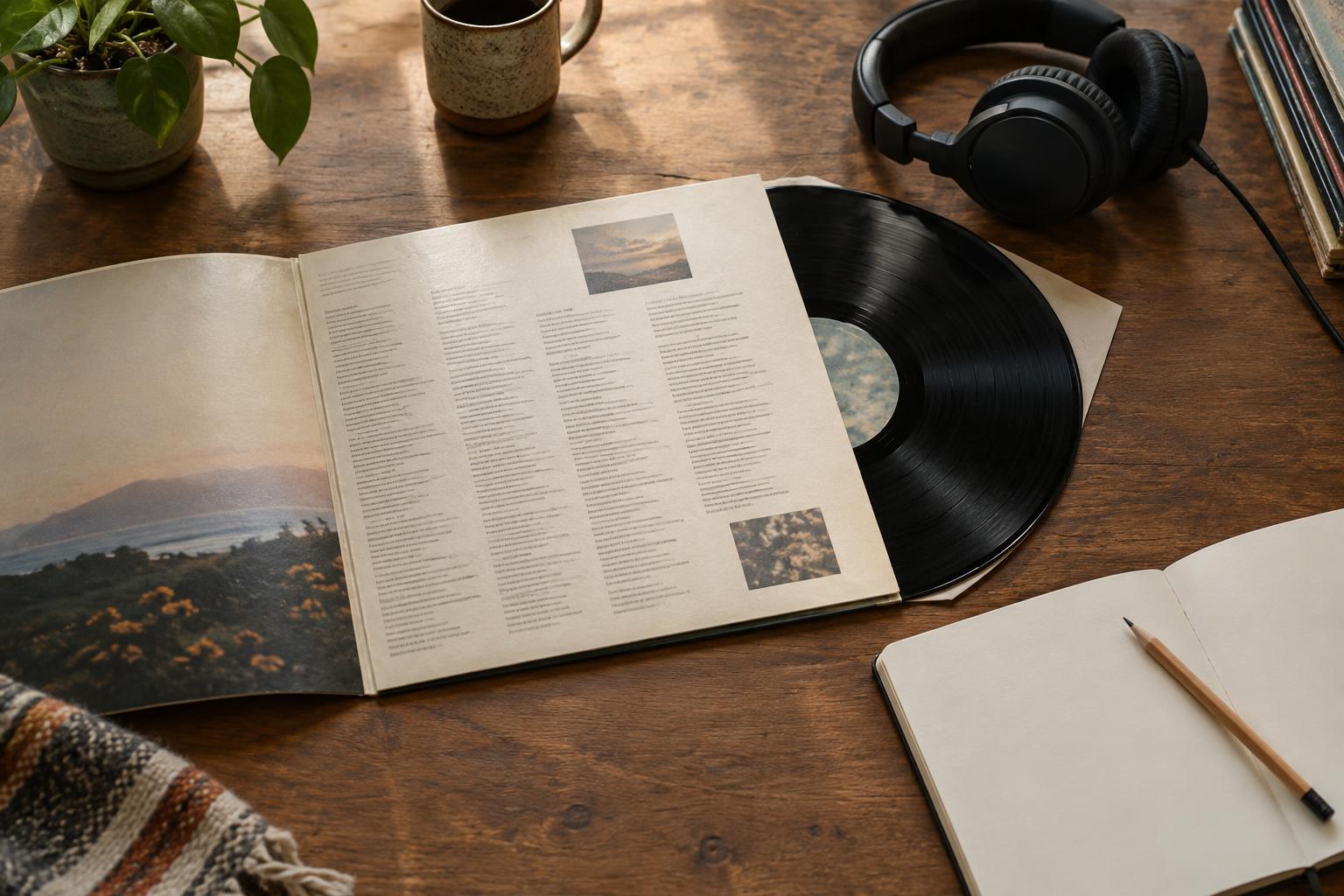
Open the credits or information panel for a track in your music app, if one is available. Physical releases may include liner notes; an artist’s or label’s release information may offer more detail. Write down the song title, performing artist, release name, and the exact role beside the person’s name. That context matters when two people have similar names or when several versions of a song exist.
If a credit looks surprising, compare it with another available listing before building a search around it. Credits can differ in spelling, formatting, or level of detail. A streaming display might show songwriters and producers but omit individual instrumentalists, while more detailed notes may distinguish between a musician, an arranger, and an engineer. Treat a missing name as a gap in the listing, not proof that the person was uninvolved.
Follow one collaborator at a time
Choose one credited person and look for two or three other tracks connected to them in the same role. If a producer’s work interests you, compare recordings by different artists rather than playing only one album in sequence. Listen for recurring choices—perhaps spacious vocals or tightly layered rhythms—but stay open to differences. A collaborator may adapt their approach to the artist and the song.
For songwriters, try comparing an artist’s own performance with songs they wrote for others. Notice how different voices or arrangements change the effect of a lyric or melody. For session musicians, focus on a credited instrument and listen to how their contribution sits within each track. You may not be able to isolate a player’s part by ear, especially in a dense arrangement, so use the credit as a guide to listening rather than a guarantee that every note you notice is theirs.
Then follow a second connection. A producer you found through one artist may have worked with a songwriter you recognize from another track. This creates a small, navigable network instead of an endless list of names.
Keep a trail you can return to
A simple note can make credit-led discovery more rewarding. Record the track that started your search, the person and role you followed, a few related songs, and one sentence about what you heard. You might find that the tracks sound nothing alike; that is a useful discovery too. It shows how much context, collaboration, and performance shape a recording.
Let curiosity lead, but give credit carefully when sharing a find. Say that a musician is credited on a track rather than claiming they created a particular sound unless the available information makes that clear. Song credits open doors: they help you hear familiar music with more attention and give you a practical route toward unfamiliar music.