Start with the listener’s position
Point of view is more than a choice between “I” and “they.” In audio, it determines who guides the listener, what that guide can reasonably know and how much distance the story places between an event and the person hearing it. Before writing narration, finish this sentence: “The listener is following this story with _____.” The answer might be a participant remembering an experience, a reporter learning alongside the audience or a narrator observing several people from a wider view.
Then ask what you want the listener to feel curious about. A story about learning to play an instrument may work best from the learner’s perspective if the small frustrations and discoveries matter most. If the story is about how a neighborhood music group comes together, a wider perspective may help listeners understand the relationships among its members. Neither choice is automatically more intimate or more truthful; each makes some details easier to hear and others harder to include.
Match the narrator to what they can know
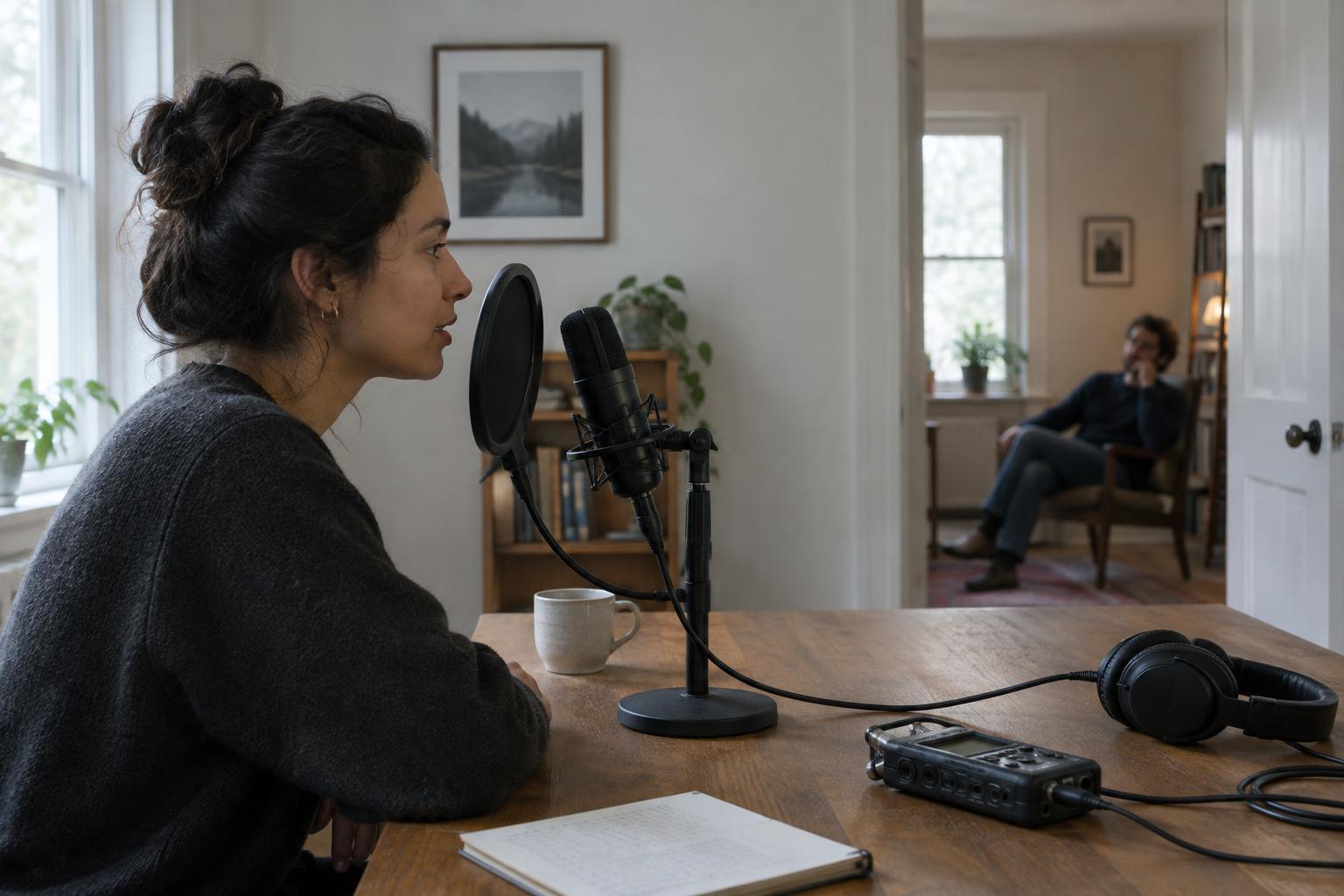
First-person narration gives a participant direct access to their own memories, doubts and reactions. It can make an ordinary scene vivid: the pause before pressing record, the sound of a room settling, the surprise of hearing a voice played back. Its limit is just as important. A participant can describe what they saw or believed, but should not present another person’s private thoughts as fact. If memory is uncertain, language such as “I remember it this way” keeps that uncertainty audible.
A host-led or third-person approach can connect interviews, scenes and background without pretending that one participant witnessed everything. It is useful when the story crosses places or follows several people. The narrator can explain transitions and identify speakers, but should distinguish observation from interpretation. “The rehearsal stopped when the power went out” describes an event; “everyone felt defeated” claims access to a whole room’s feelings. A recorded reaction or a more specific description may do that work better.
Decide how close the voice should feel
Even within one point of view, narration can sit at different distances. A close voice stays with immediate sensations and decisions. A reflective voice looks back and makes sense of what happened. You can use both, but let listeners know when the story moves between them. “At the time, I thought the session was over” places us in the moment; “Now I hear that pause differently” signals a later understanding.
In your script, mark the moments when the narrator knows something the people in a scene did not yet know. Revealing the outcome early may shift attention toward how events unfolded. Holding it back may preserve a question the listener wants answered. Choose deliberately rather than relying on a dramatic tone to create suspense. A clear perspective gives the audience a fair sense of what is being shared and when.
Let recorded sound support the perspective
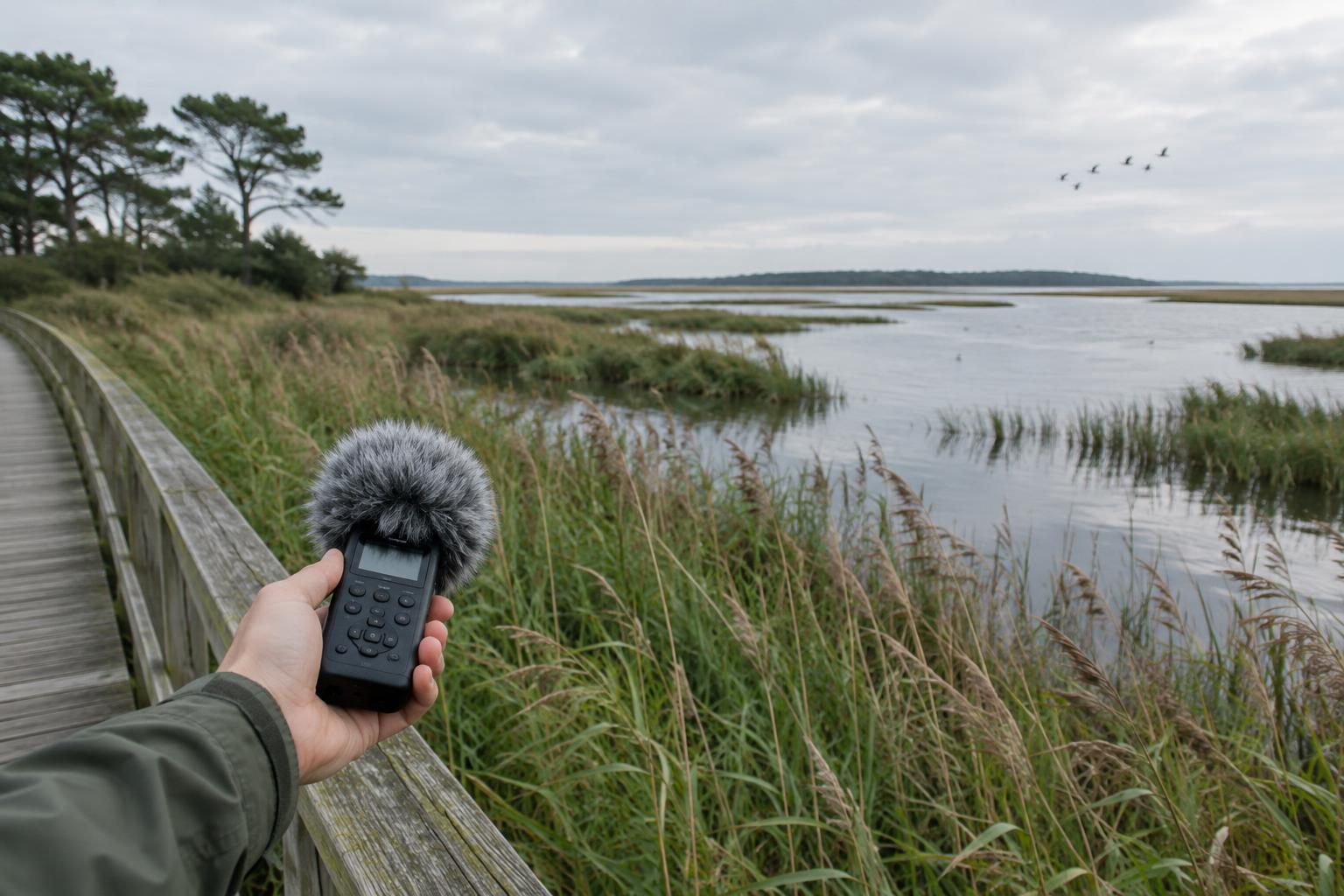
Audio can bring listeners close to a scene, but a recording does not speak for itself. A door closing, a burst of laughter or a long stretch of room tone may suggest different things depending on what the narrator says around it. Introduce a sound when listeners need context to understand where they are and why it matters. At other times, leave a brief space after a voice or sound so its meaning is not immediately explained away.
Consider whose recording is heard and whose account frames it. If a narrator describes a conversation that was not recorded, do not build an invented exchange from sound effects in a way that could be mistaken for the original event. If you recreate a moment, identify it plainly. This keeps the story’s perspective consistent: the listener should be able to tell the difference between a captured scene, a recollection and an interpretation.
Test the choice before committing to a full script
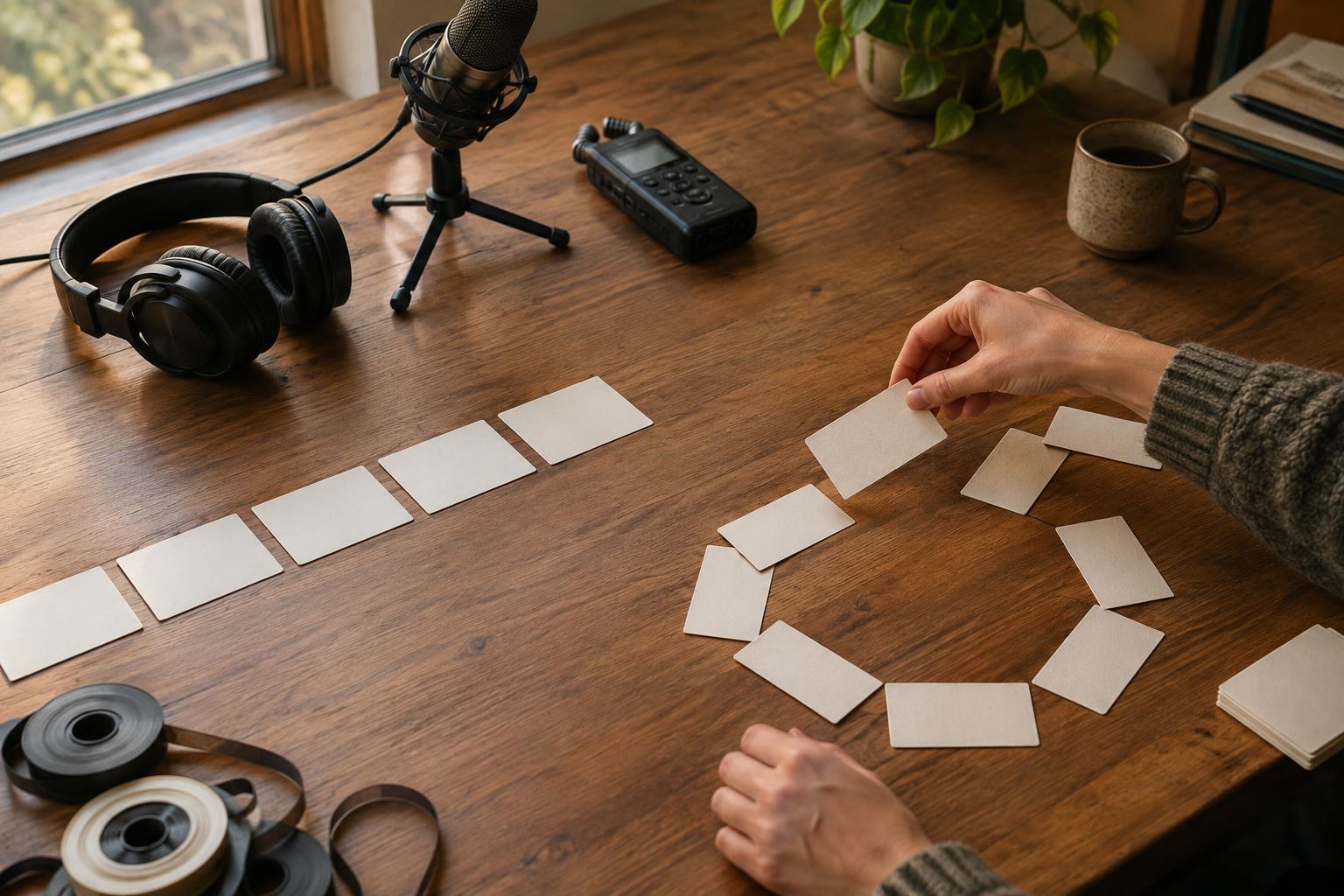
Write the same opening twice. In one version, let a participant say what drew them into the story. In the other, let an outside narrator establish the setting and the central question. Read both aloud at a natural pace. Notice which version makes the next question easier to ask, which needs less explanation and which gives the people in the story room to speak for themselves.
Once you choose, make a simple perspective check during editing. For each narration passage, ask: Who knows this? How do they know it? Why are they telling us now? If a passage cannot answer those questions, it may need attribution, a different speaker or a quieter place in the story. A strong point of view is not a rule that every sentence must sound alike. It is a reliable path the listener can follow, even as the story changes.