Start with the show you can actually make
A podcast budget begins with a format, not a shopping list. A solo discussion recorded at home has different demands from an interview show with remote guests or a narrated series built from several recordings. Before estimating anything, write down the intended episode length, number of speakers, level of editing, release frequency and number of episodes you want to make.
Then define what “finished” means. Will each episode need a script, guest coordination, music, a transcript, a short description and promotional clips? These are separate tasks even if one person does them all. A clear scope makes it easier to spot where an appealing idea may exceed the time or money available.
If this is a new show, consider planning a short first season rather than an indefinite weekly commitment. A limited run gives you a defined amount of work to estimate and a chance to revise your process afterward.
Count the hours around the recording
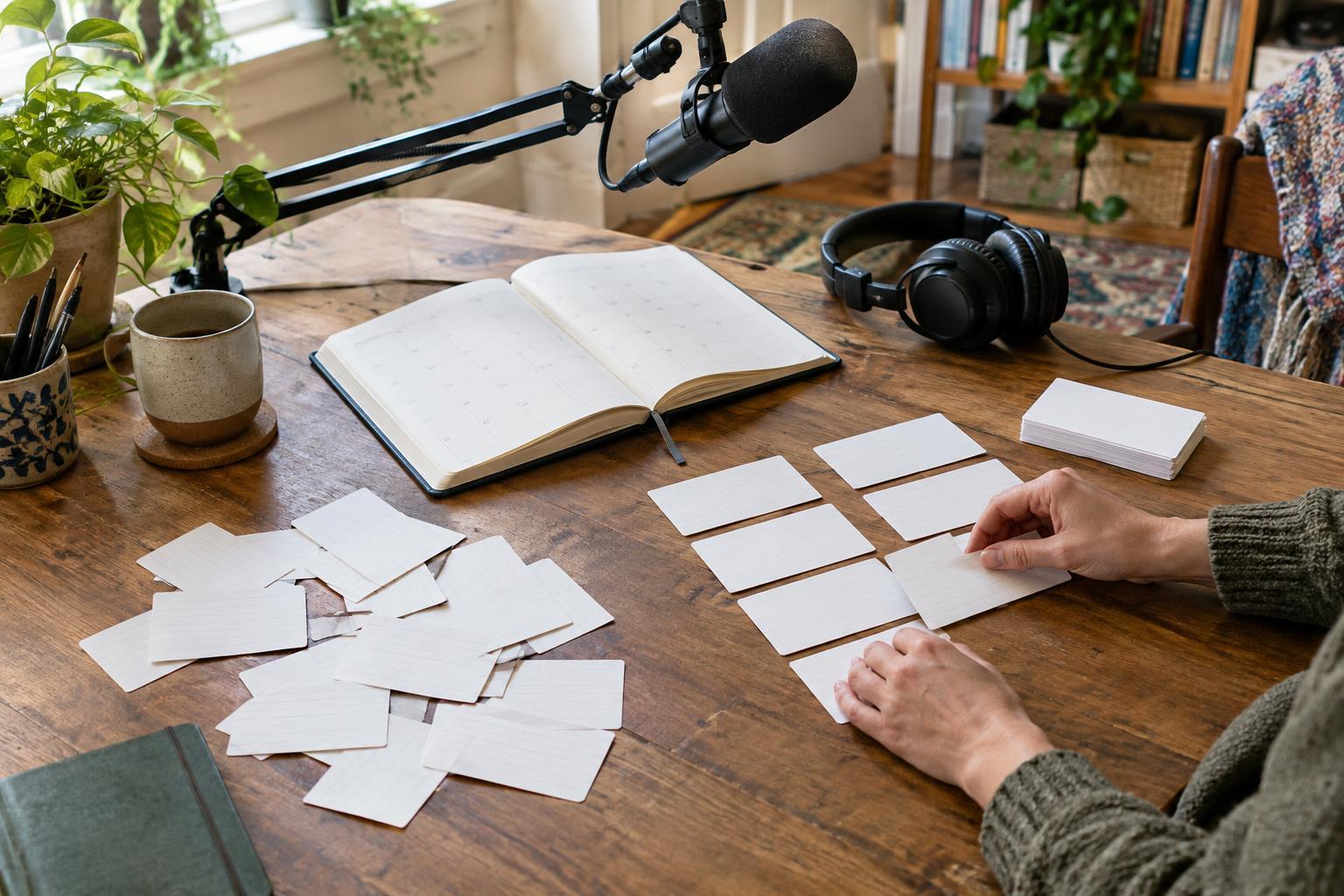
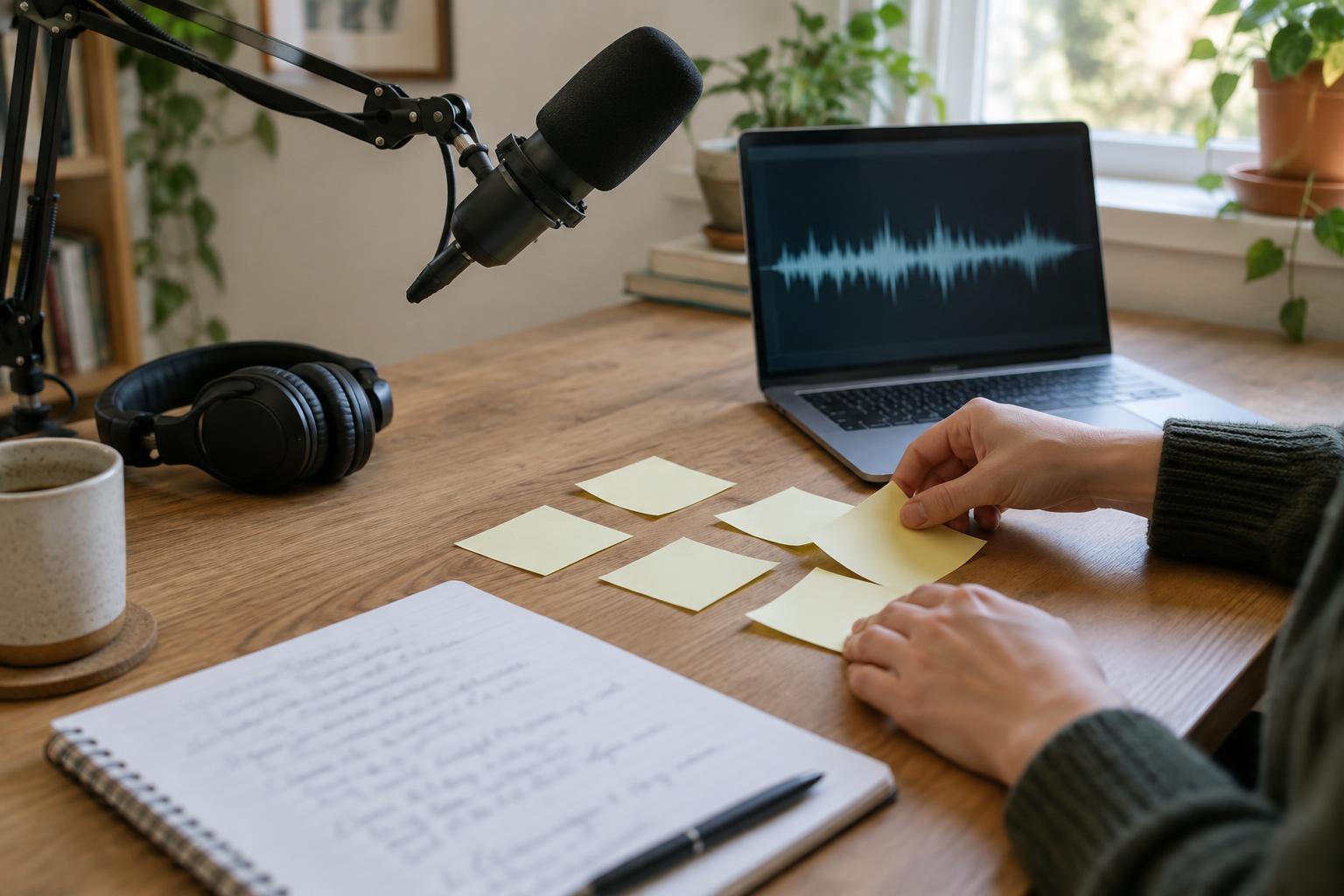
Divide the work into setup and per-episode tasks. Setup may include choosing a format and name, testing a recording space, learning your equipment, creating artwork, selecting a host and building an editing template. Per-episode work may include research, outlining, invitations, scheduling, recording, editing, listening back, writing show notes, publishing and sharing the release.
Estimate each task separately rather than assuming a 30-minute episode takes 30 minutes to make. An interview may be quick to record but slow to schedule. A scripted introduction may take longer to write than to perform. Editing time also depends on the condition of the recording and how many changes you want to make. Use a trial episode to measure your own pace; it will be more useful than another producer’s schedule.
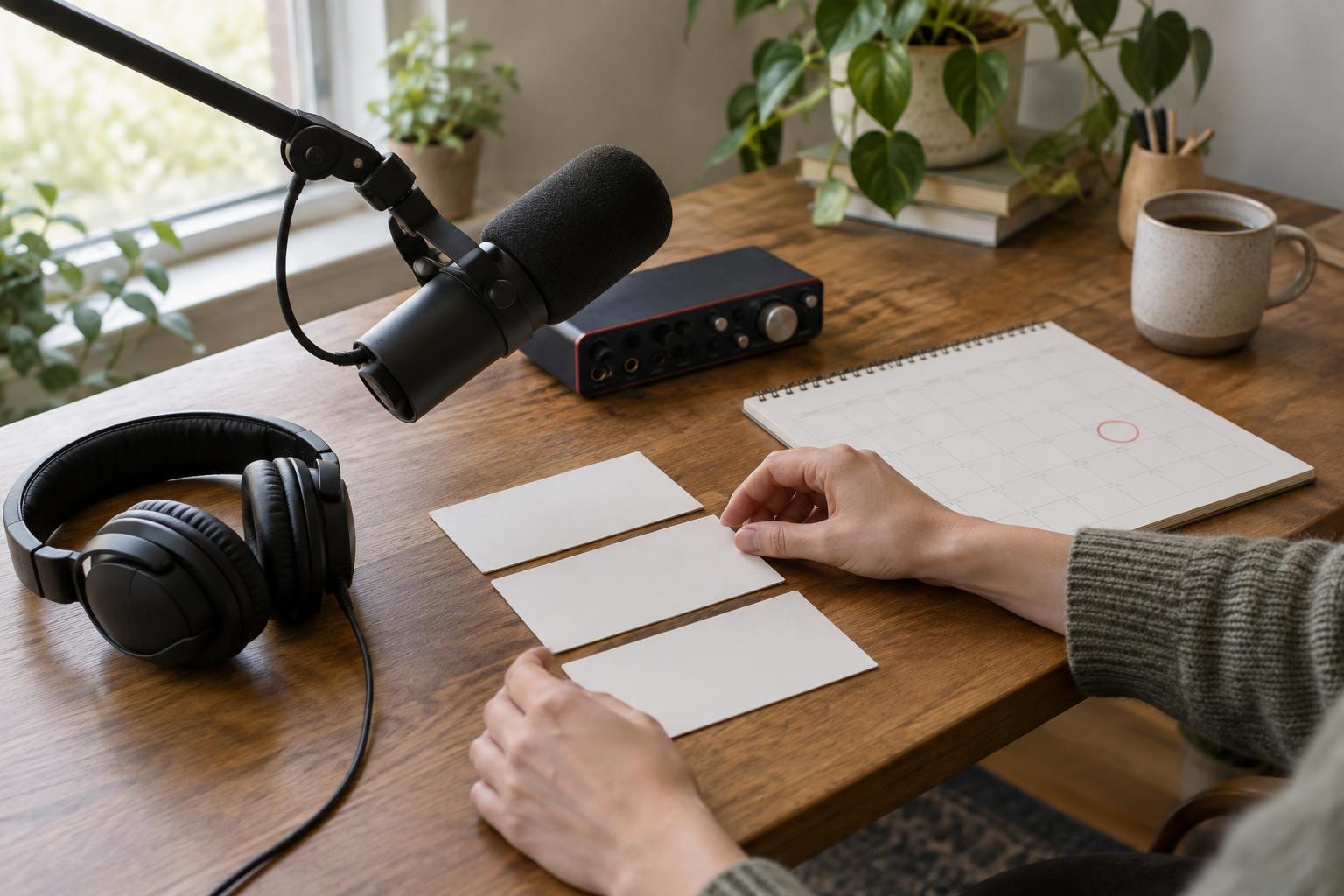
For a team, distinguish total work hours from calendar time. If one person must approve an edit before another can publish it, the episode may take several days to finish even when the hands-on work is brief. Leave room for unavailable guests, rerecords and a final quality check. A release schedule should fit an ordinary week, not only your most productive one.
Build a budget by category
Separate one-time purchases from ongoing costs. One-time items might include a microphone, headphones, recording accessories or acoustic improvements to a room. Recurring items might include podcast hosting, remote-recording services, editing software, transcription, music licensing or payments to contributors. Check what you already own before buying anything: a quiet space and a consistent recording setup may matter more to a new show than extra equipment.
Price the version of the show you have scoped, not every possible upgrade. For each category, note whether it is essential, optional or something you could add later. If you plan to use music, artwork or outside voices, allow time to confirm that you have permission to publish them and account for any associated cost.
Your own labor belongs in the plan even when no money changes hands. If you have a fixed spending limit, identify which tasks you can do comfortably yourself and which you might pay someone else to handle. If you are paying contributors, agree on the deliverables and revision process before work begins.
Test the estimate with a pilot
Make one episode using the process you intend to repeat. Track time as you go, including small tasks such as finding a guest’s contact details, exporting a corrected file and preparing the episode description. Record actual expenses alongside the hours. The pilot does not have to be published; its purpose is to reveal the work your initial list missed.
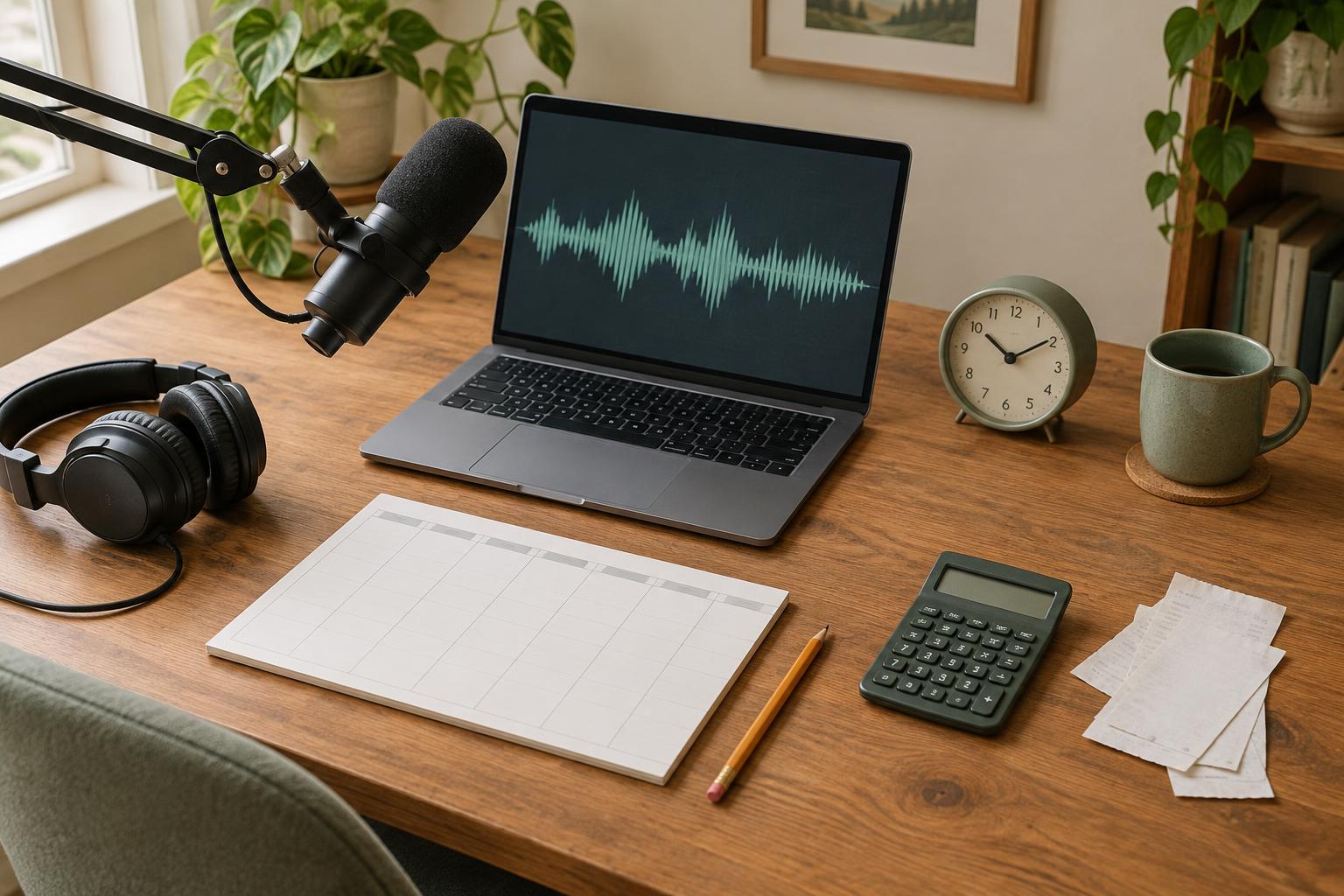
Next, multiply the recurring work and costs by the number of planned episodes, then add setup costs. Keep a separate allowance for unexpected revisions or replacement equipment rather than treating every estimate as exact. If the total is too high, change the scope before setting a launch date. You could shorten episodes, publish less often, simplify editing or reduce the number of guests.
Finally, decide what quality means for this particular show. Clear, intelligible speech and a dependable publishing routine may serve listeners better than elaborate production that you cannot sustain. Revisit the estimate after a few episodes: the aim is not a perfect prediction, but a plan that helps you keep making the podcast.