Start with a promise you can keep
Before setting a launch date, describe the show in one or two sentences. Who is it for, what will listeners hear, and what will make one episode worth finishing? A focused promise helps you decide what belongs in the trailer and which episode ideas deserve a place in the first run. “Conversations with local musicians about the sounds that shaped them” gives a producer more direction than “a podcast about music.”
Then sketch the format. Note the typical episode length, whether you will host alone or with guests, and the work each episode requires: research, booking, recording, editing, music clearance, show notes, and a final listen. Treat these as planning assumptions, not rules. A short solo show may be quick to record but slow to script; an interview may need less writing but more coordination. Your launch plan should reflect the show you can actually make.
Make the trailer a clear invitation
A trailer is a brief introduction to the listening experience, not a compressed version of every future episode. Tell people what the show explores, who is speaking, and what they can expect when they return. If the style matters, let them hear it: a short exchange, a piece of narration, or an example of the sound design can communicate more than a list of adjectives.
Keep the promise specific and avoid describing episodes that are still uncertain. You can introduce a recurring question or theme without naming guests who have not confirmed. End with a simple next step, such as following the show for the first episode, and mention the release date only when you are confident in it. Before publishing, listen on headphones and an ordinary phone speaker. Check that voices are understandable, transitions are comfortable, and any music is yours to use.
Build a backlog that creates breathing room
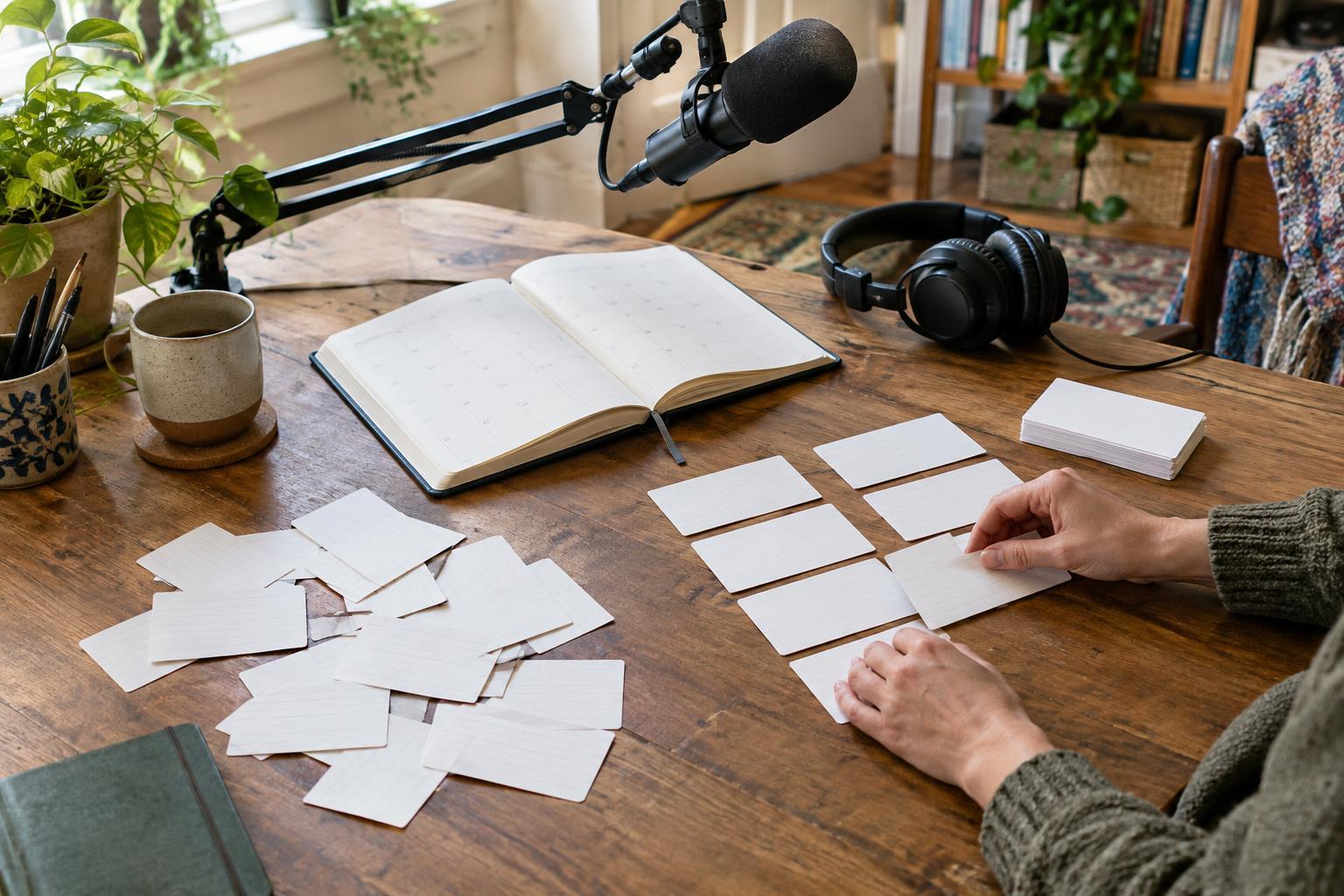
A backlog is not just a folder of ideas. For launch purposes, distinguish between episodes that are outlined, recorded, edited, and ready to publish. Only the last group gives you a reliable buffer against a guest cancellation, a difficult edit, or a week when other responsibilities take priority. If you can, finish the first episode and at least one follow-up before committing to a public date.
Choose backlog topics that demonstrate the show’s range while staying true to its promise. An opening episode should welcome someone who has never heard of you; it should not depend on knowledge from a later installment. You might pair a broad introduction with a more focused story, then keep another episode in progress. There is no universal backlog size. The useful target is enough completed work to protect the pace you intend to maintain.
Track each episode with a simple checklist: outline, permissions or guest agreement, recording, edit, fact check where needed, final listen, title, description, and export. This makes “almost done” less misleading. It also reveals bottlenecks before they turn into missed releases.
Choose the date after testing the workflow
A release date should follow a production test, not create one. Make a complete episode from idea to final file and record how long each stage takes. Include time for revisions, guest responses, and listening back after the edit. If your planned cadence leaves no room for those tasks, lengthen the interval or simplify the format before announcing it.
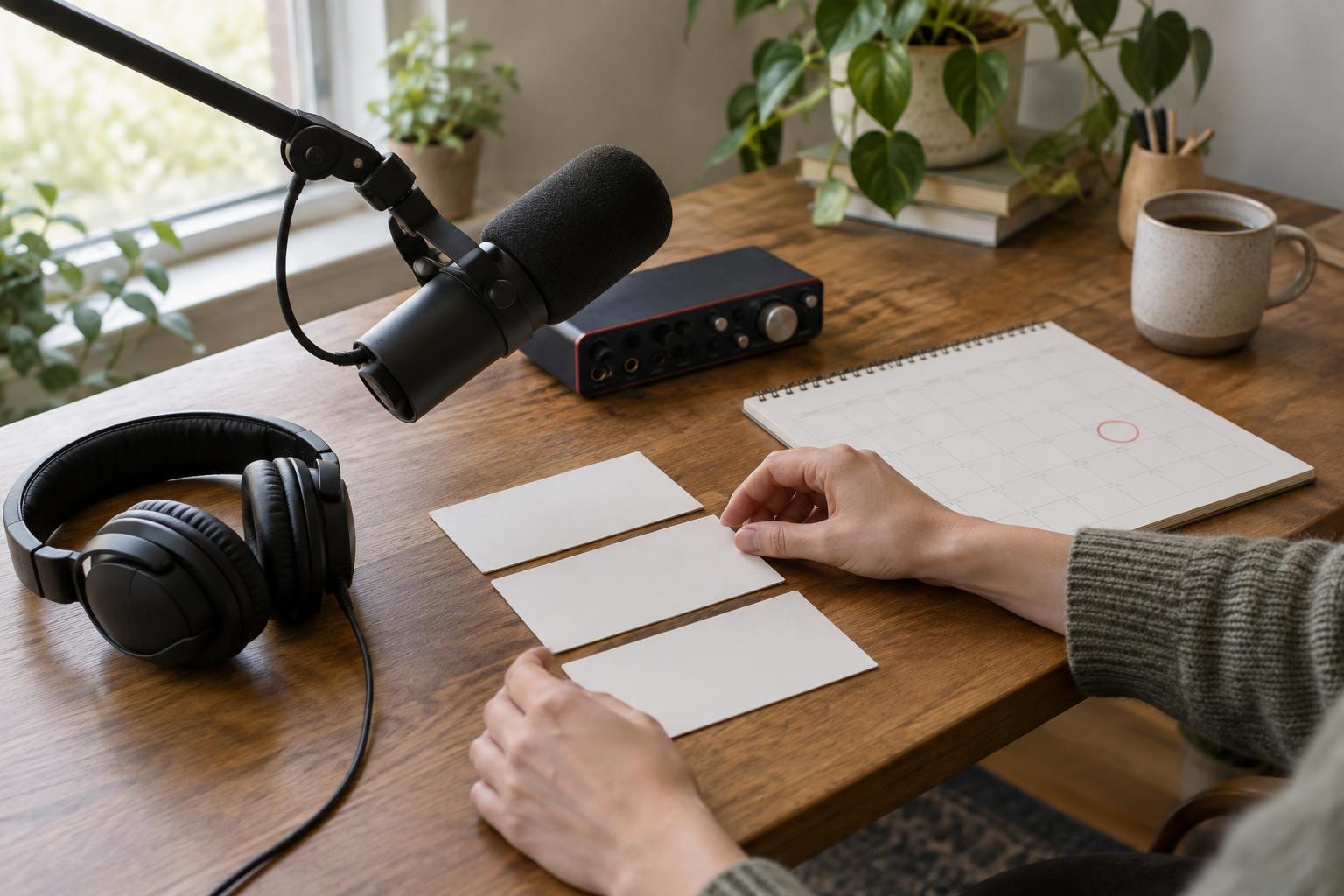
Work backward from a prospective date. Allow time to finish the trailer, prepare the first episodes, write their descriptions, check audio files, and confirm that the show artwork and hosting setup display as intended. Leave a margin for something needing another pass. You do not need a symbolic date or an elaborate campaign; you need a date that supports a confident first release and a realistic second one.
Decide separately how often episodes will appear after launch. Publishing two episodes on day one may help listeners understand a new show, but it also uses more of your buffer. One strong opening episode followed by a steady schedule is a sound choice too. Pick the approach your completed backlog can support.
Give the launch a final consistency check
Before sharing the trailer, compare its claims with the episodes you have prepared. Does the tone match? Is the first episode a good example of the promised format? Do the trailer, show description, and episode titles tell a newcomer what they are choosing to hear? Small mismatches are easier to fix now than after listeners arrive expecting a different show.
Finally, make a short launch checklist with an owner and deadline for each task, even if you are the whole team. Confirm the files, descriptions, artwork, and release settings; ask a trusted listener to report anything confusing; and keep your next production session on the calendar. A launch is the beginning of a routine, not the finish line. The best plan gives your first listeners a clear invitation while leaving you enough room to make the episodes that follow.