Decide what the pilot needs to prove
A pilot is a working example of a show, not a promise that every detail is final. Its job is to help you hear whether the idea works as audio. Before writing an outline, finish this sentence: “This show helps listeners explore…” Then identify the people you hope will enjoy it and what they should gain from one episode. A narrow promise is easier to test than a broad ambition to cover everything about a subject.
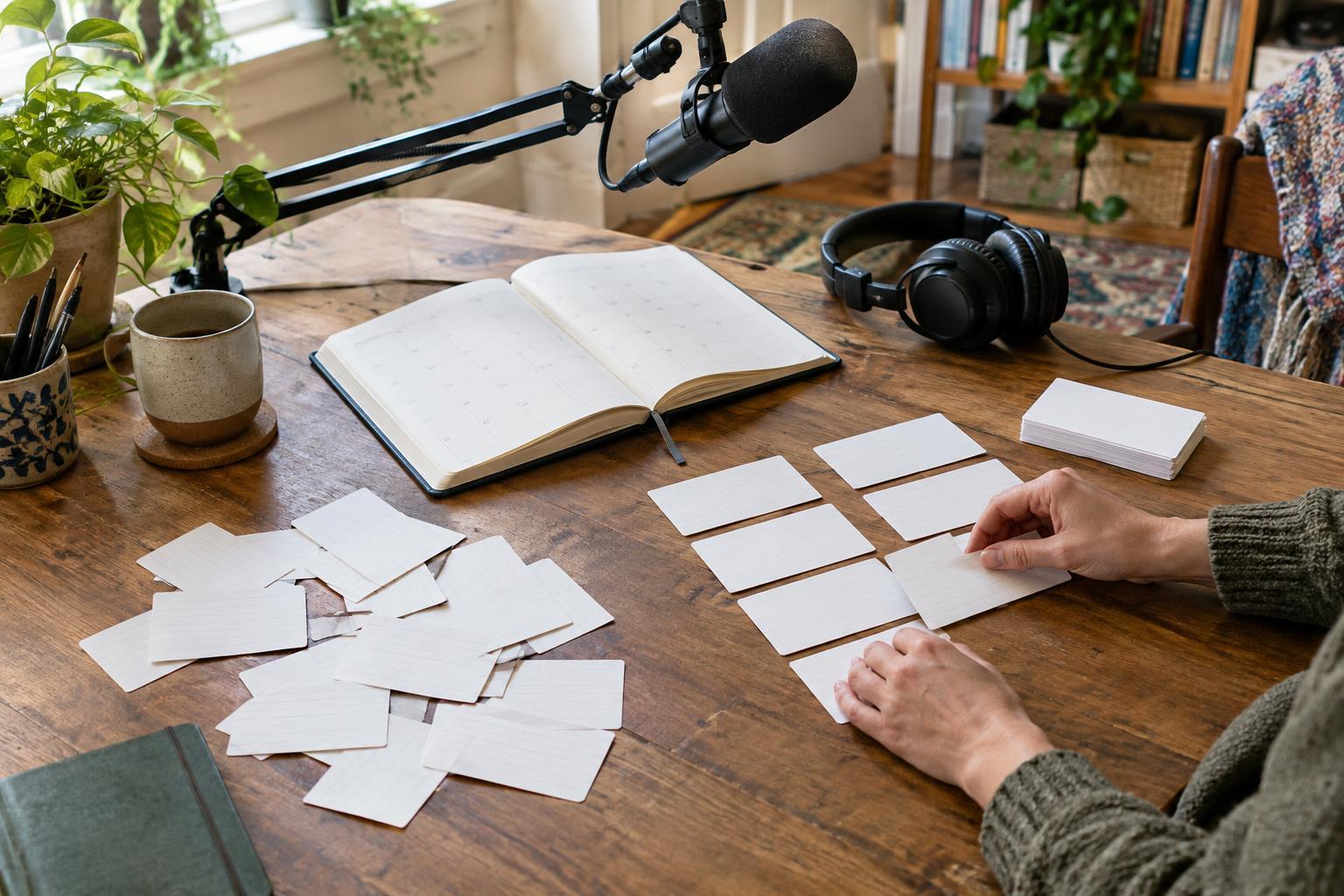
Choose one representative topic for the pilot. If your planned series features conversations with local musicians, a solo introduction will not test the format as well as an actual conversation would. You can still explain the show’s premise briefly, but give the main format room to work. Write down two or three questions you want the pilot to answer, such as whether the opening makes the subject clear, whether the pacing feels comfortable, and whether the ending gives listeners a reason to return.
Build a simple episode outline
Start with a short opening that tells listeners what they are about to hear and why it matters. Then divide the episode into a few purposeful beats: a setup, the central story or discussion, and a closing thought. For each beat, note its job rather than scripting every word. An interview beat might introduce a guest’s experience; the next might examine a specific moment or decision. This gives the recording direction without making the conversation sound rehearsed.
Plan for material you can realistically gather. If the show depends on field recordings, choose a location you can access and consider how background sound might affect speech. If it relies on interviews, prepare questions that invite examples rather than yes-or-no answers, plus follow-ups such as “What happened next?” Decide in advance what listeners must understand if a recording is cut or a guest takes the conversation somewhere unexpected.
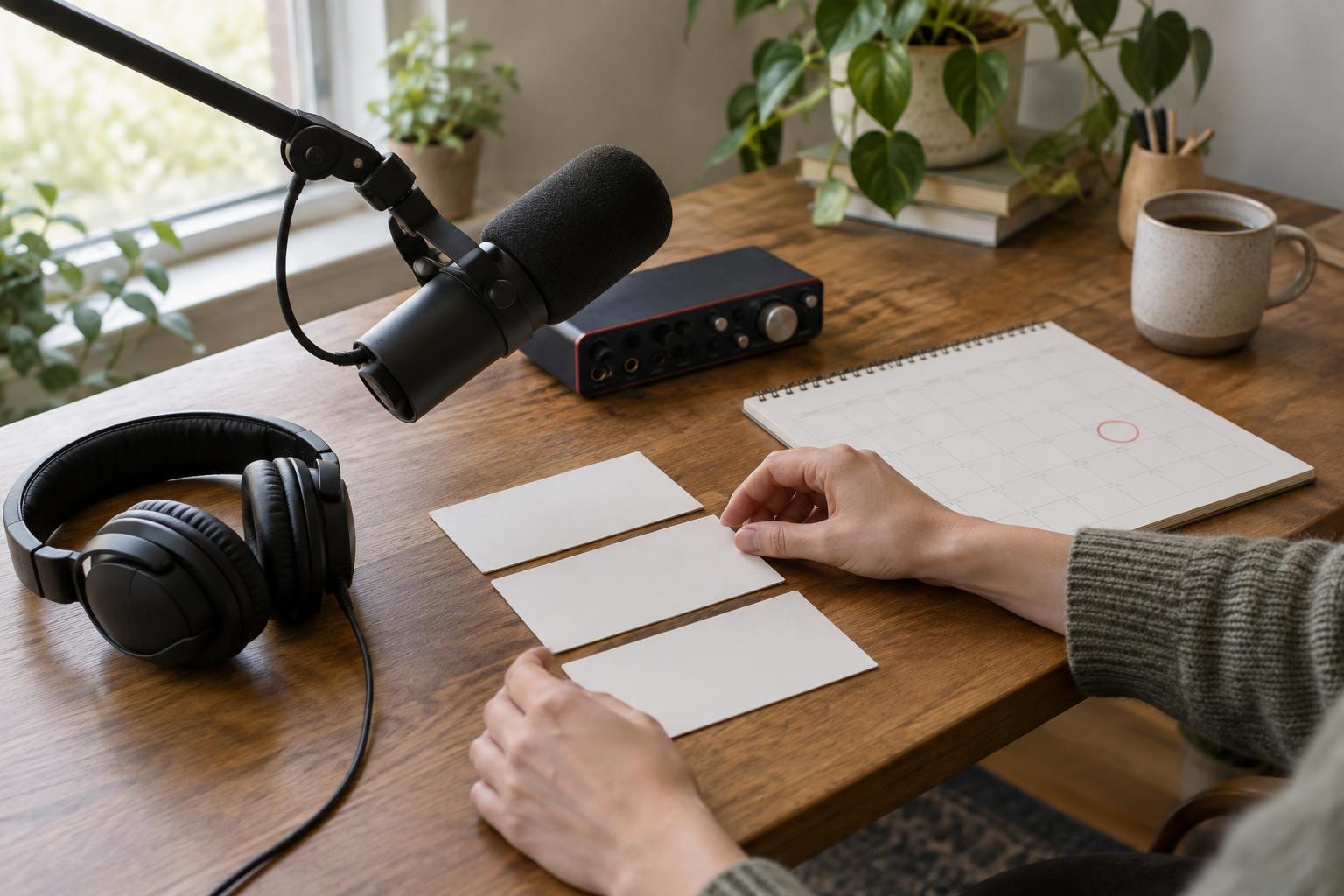
Keep the production plan manageable. Make a checklist for recording space, microphone placement, headphones, backup recording if available, and any sounds or narration the episode needs. You do not need an elaborate sonic identity to test the concept. A clear voice, understandable transitions, and a coherent ending will tell you more about the show than layers of effects added before its structure is settled.
Make a listening draft, not a polished monument
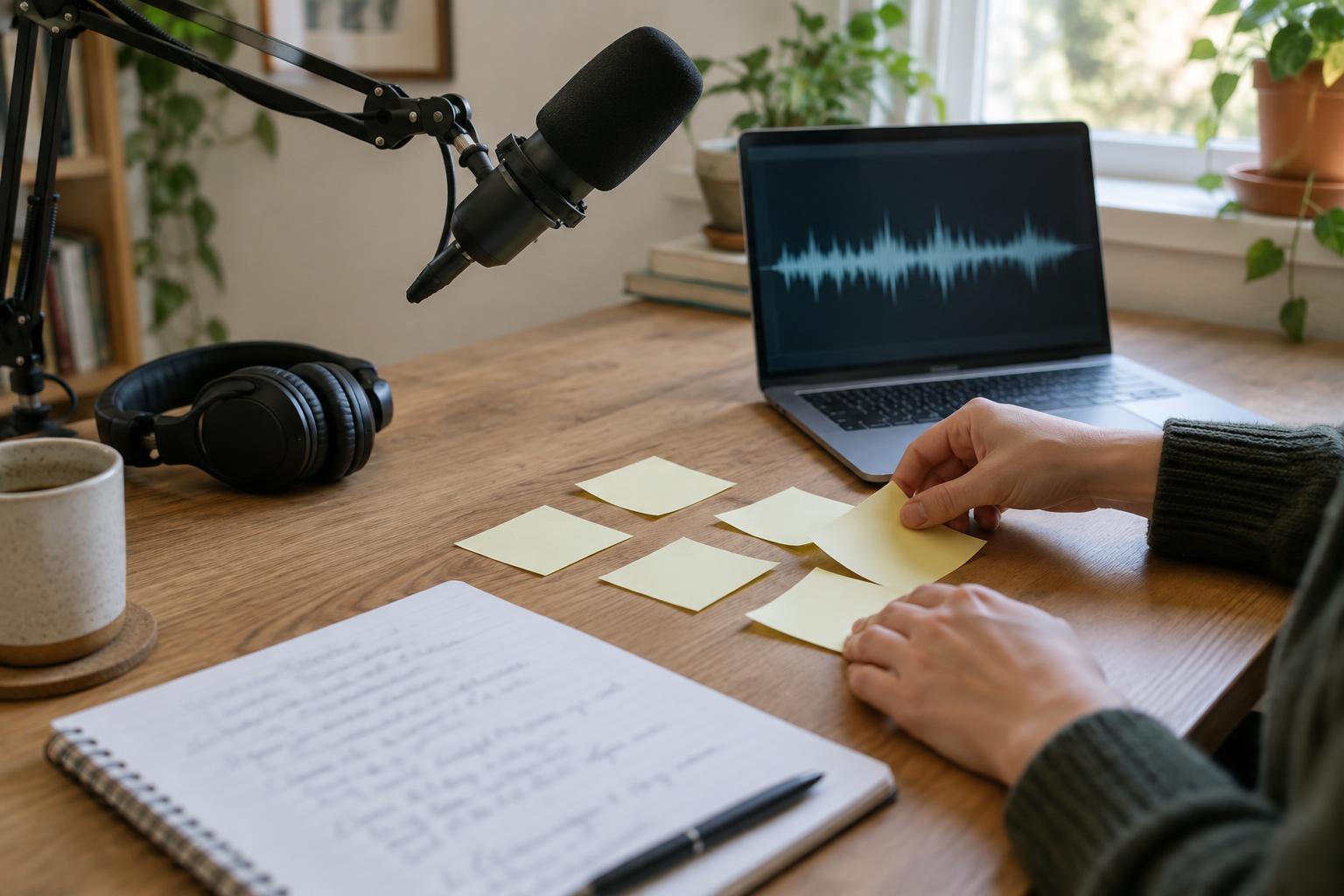
Record enough to make the pilot feel like an episode, then edit for clarity. Remove repeated explanations and long detours, but leave enough natural speech for listeners to get a sense of the host and format. If a section needs information you have not recorded, add a brief temporary narration or make a note to yourself. Do not spend all your energy perfecting tiny noises while larger questions about the story remain unanswered.
Listen to the draft once without stopping, preferably in the way someone might normally hear a podcast. Notice where your attention drifts, where you want more context, and whether the conclusion feels earned. Then listen again with the outline beside you. This second pass can reveal whether a segment has a clear purpose or merely contains material you enjoyed recording. Save a copy of the draft before making major edits so you can compare versions later.
Ask for feedback people can actually give
Share the draft with a small mix of people: some who know the subject and some who do not. Tell them whether it is a rough cut, and ask them to listen before you explain what you intended. Broad questions such as “Did you like it?” often produce polite but limited answers. Instead, ask what they think the show is about, when they felt most engaged, where they got confused, and whether they would want another episode on a different topic.
Invite listeners to point to moments rather than prescribe solutions. “I lost track of who was speaking during the second conversation” is easier to act on than “Make it more professional.” Give them permission to disagree with one another. Different reactions may reflect different expectations, and that distinction can help you decide whom the show is for. You are collecting observations, not holding a vote on every creative choice.
Turn responses into a revision plan
Sort feedback into three groups: clarity problems, format questions, and personal preferences. Repeated confusion about the premise or a speaker’s identity is a strong reason to revise. A single request for a different topic may be useful, but it does not necessarily mean the format is broken. Compare each comment with the goals you wrote down before recording, and decide which changes would better serve the intended listener.
Choose a few changes you can test in another draft. You might shorten the introduction, move a key explanation earlier, record a transition, or give an interview answer more breathing room. Listen again after revising to check that the fix has not created a new gap. Finally, write a short note about what the pilot taught you and what you will repeat or change next time. That note can guide future episodes more reliably than trying to remember every reaction.