Start with the experience, not the microphone count
A format is more than the number of people speaking. It determines where an episode’s energy comes from, how ideas unfold, and what listeners can expect when they press play. A solo show can feel direct and considered. An interview can make room for a guest’s experience. A panel can let several perspectives meet in real time. None is inherently more engaging than the others; each works best when it serves a clear purpose.
Before choosing, write a one-sentence promise for the show: what will a listener gain from a typical episode? Then picture the most useful way to deliver it. If you want to explain one idea at a time, a solo format may give you the necessary focus. If you want to learn how other people work or think, interviews may be a better fit. If the value lies in comparing reactions, a panel may bring that comparison into the conversation itself.
Solo: clarity and control, with preparation behind it
A solo episode gives one host room to guide the listener through a story, explanation, or reflection. You can set a consistent pace, record around your own schedule, and revise sections without coordinating with guests. It is a useful choice for tutorials, commentary, personal essays, or closely structured music storytelling.
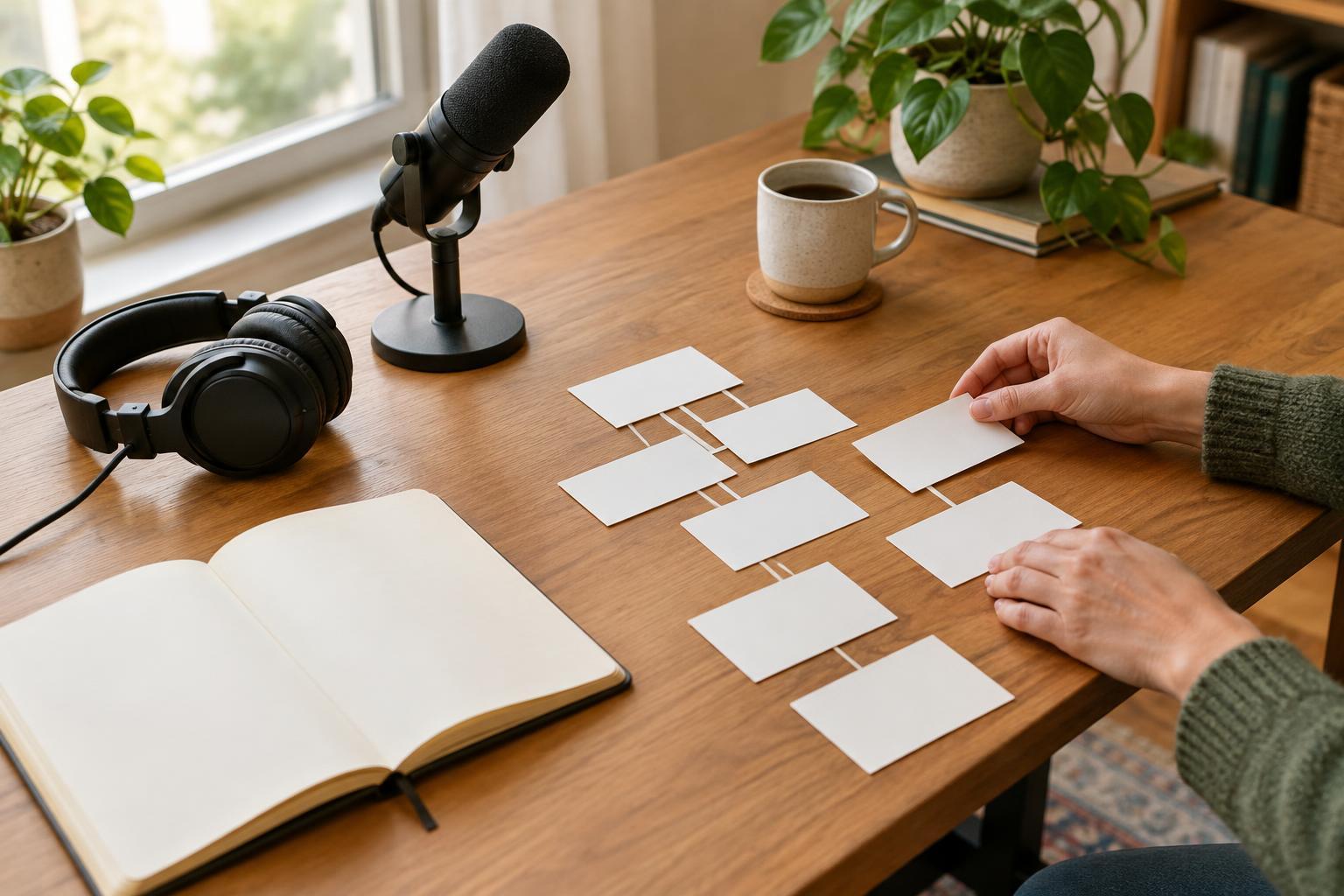
The challenge is sustaining movement without another voice to ask the question a listener might have. An outline can help: open with the question the episode answers, move through two or three distinct points, and close by connecting them back to the opening. Use concrete examples rather than repeating your main idea in different words. Record a short test segment and listen for places where you rush, wander, or sound as though you are reading instead of speaking to someone.
Solo does not have to mean uninterrupted monologue. Brief recorded scenes, permitted audio clips, or a recurring listener question can add texture when they genuinely support the subject. If you use someone else’s recording or music, make sure you have the rights or permission needed for that use.
Interview: discovery through good questions
An interview works when a guest can offer insight, experience, or a point of view that the host cannot supply alone. The host’s job is not simply to move through a question list. It is to give the conversation a direction, listen closely, and ask for detail when an answer stays general. “What happened next?” or “Can you describe an example?” may reveal more than a complicated question.
Prepare by identifying the episode’s central question and a few topics you hope to cover. Share the general theme with the guest so they know what conversation they are joining, while leaving space for unexpected answers. During recording, give the guest time to finish and clarify anything that may confuse a listener who lacks your background knowledge. Afterward, editing can tighten detours, but it cannot reliably create a focused conversation that never happened.
Interviews also bring logistical work: invitations, scheduling, recording across different spaces, and checking that each voice is usable. If arranging guests would make a regular release schedule difficult, consider interviews as occasional episodes rather than the foundation of every installment.
Panel: contrasting voices without competing noise
A panel can be lively when participants have distinct perspectives on a shared question. It suits topics where comparison is the point, such as how different creators approach a recording problem or how listeners interpret the same piece of audio. More voices do not automatically produce more depth, though. Without a clear structure, a panel may drift into overlapping remarks or private conversation that leaves the audience behind.
Choose participants for the perspectives they bring, not just their availability. Give everyone the topic and an approximate plan beforehand. A host or moderator should introduce each voice, ask specific questions, invite quieter participants in, and move the discussion along when one point has run its course. A brief opening round can help listeners recognize who is speaking and why they are there.
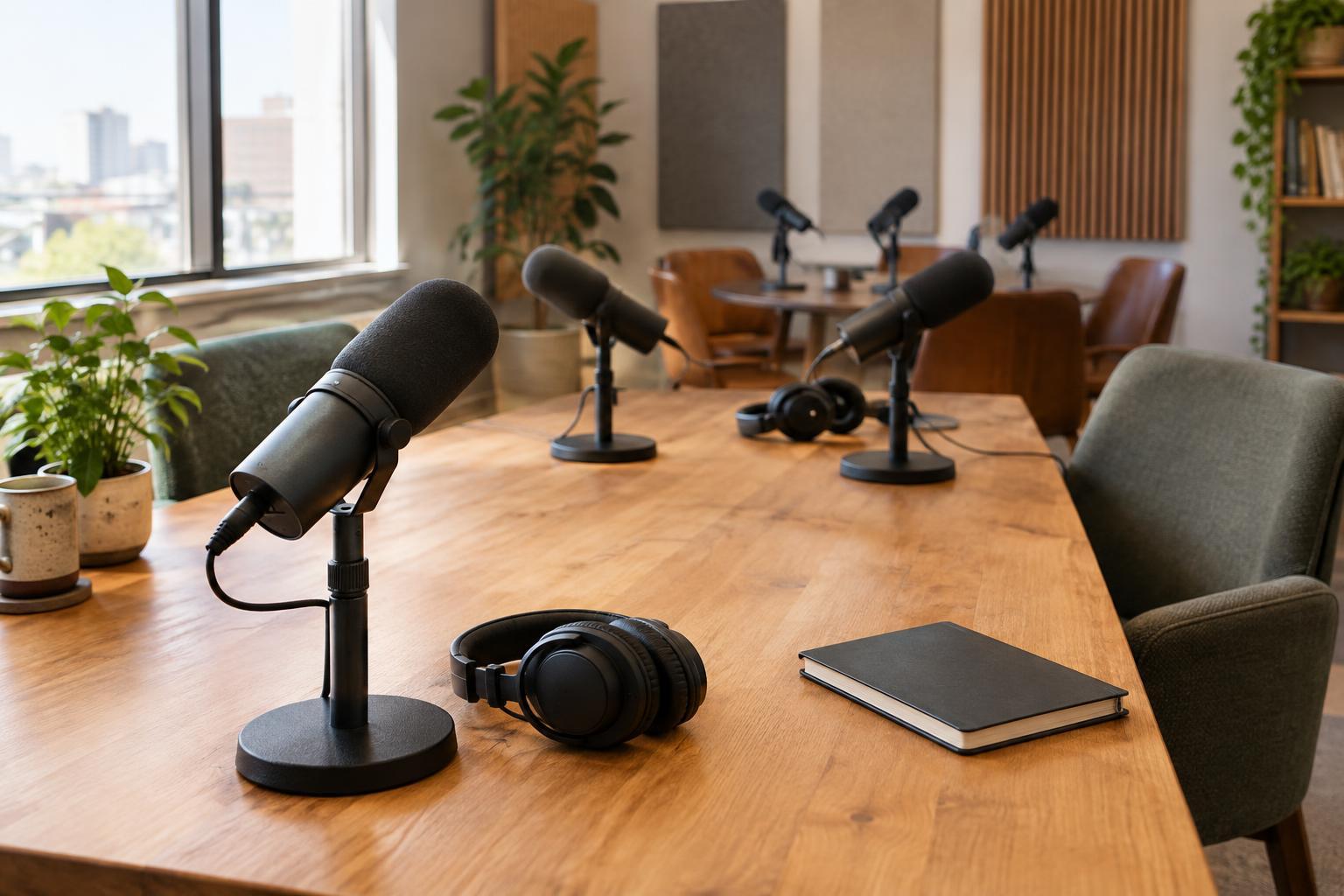
Plan the recording setup with extra care. Ask participants to use separate microphones or recording tracks where practical, and agree on a way to signal that someone wants to speak. Even with good equipment, clear turn-taking is often the most effective way to keep a panel understandable.
Make a choice you can repeat
To decide, sketch three possible episodes on the same topic: one solo outline, one potential guest conversation, and one panel question. Which version gives the listener the clearest reason to stay? Then consider what you can produce consistently. A format that depends on finding three available speakers for every episode may be less sustainable than one you can record on your own, even if the panel sounds exciting in theory.
You can also test before committing. Record a short sample in your preferred format, listen away from your notes, and ask whether each voice has a purpose. Notice how much preparation, coordination, and editing it takes. Choose a default format so the show has a recognizable shape, but allow an occasional alternative when the subject calls for it. The strongest format is the one that helps you keep your promise to listeners, episode after episode.