The difference is who gets to decide
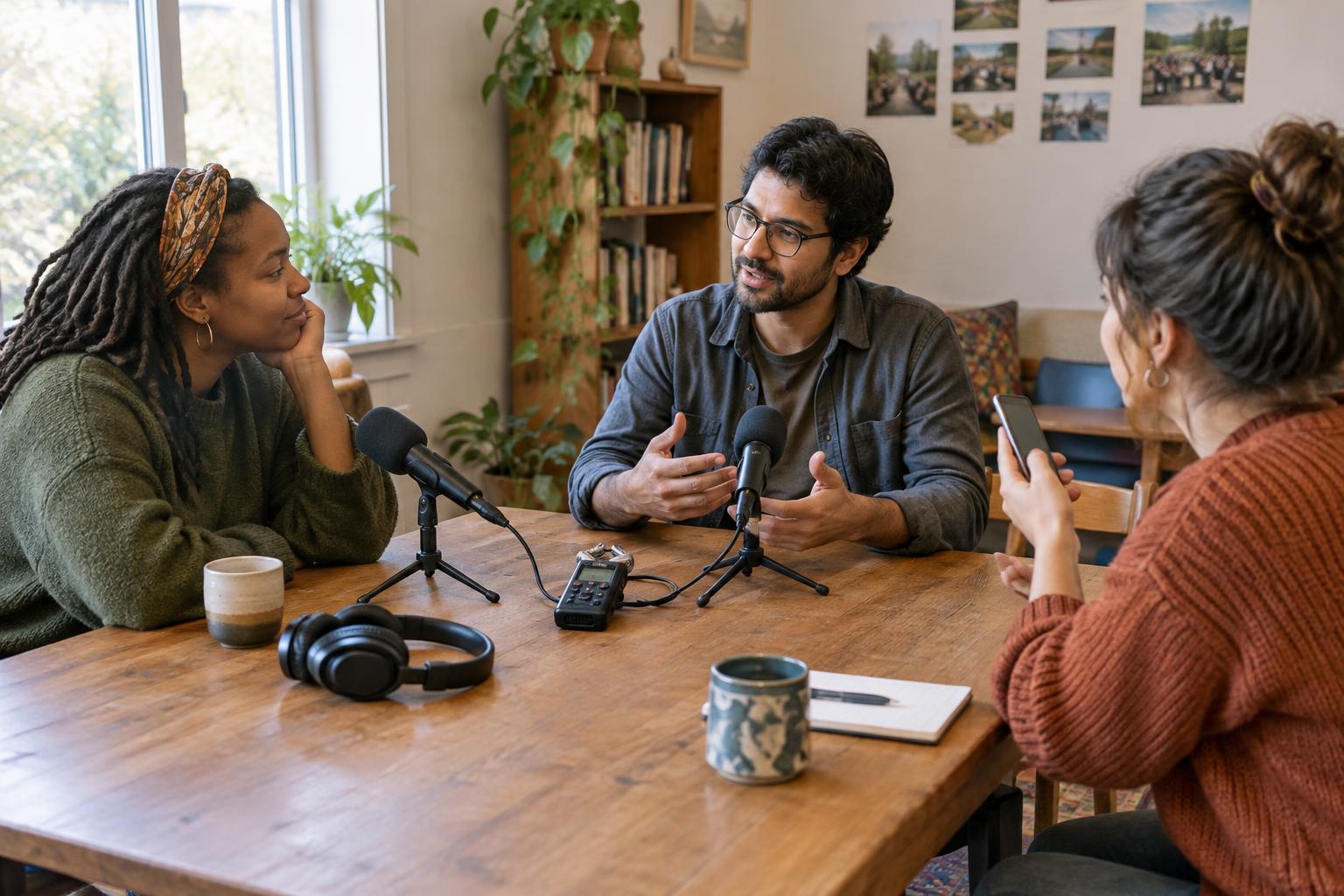
A creator-led podcast usually starts with a person or a small team choosing the subject, format and point of view. Guests may bring essential knowledge, and listeners may send questions, but the creator normally decides what to record and what makes the final cut. That arrangement can give a series a recognizable voice and a clear promise to its audience.
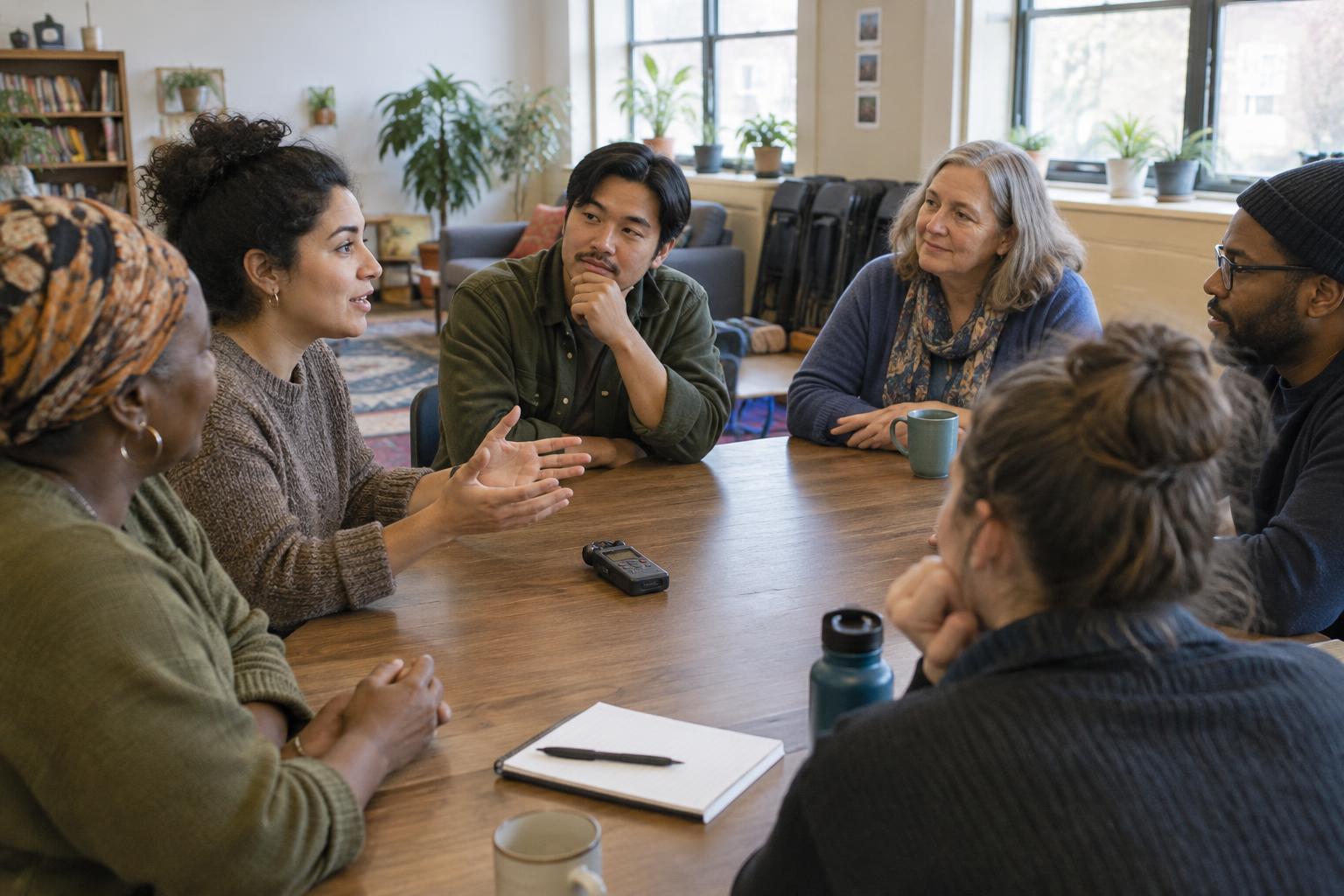
Community audio starts from a different question: how can people connected by a place, experience or shared interest help shape what is heard? Participants might suggest topics, conduct interviews, record their own stories or help choose what belongs in an episode. The distinction is not about production quality or audience size. It is about how much influence contributors have before, during and after recording.
An open microphone is not the same as shared direction
Inviting submissions can widen a podcast’s range of voices, but it does not automatically make the project community-led. If a host sets every prompt, selects only responses that support a planned argument and offers no way for contributors to discuss the result, the invitation is closer to collecting material than sharing direction. That can still be a worthwhile format, provided its limits are clear.
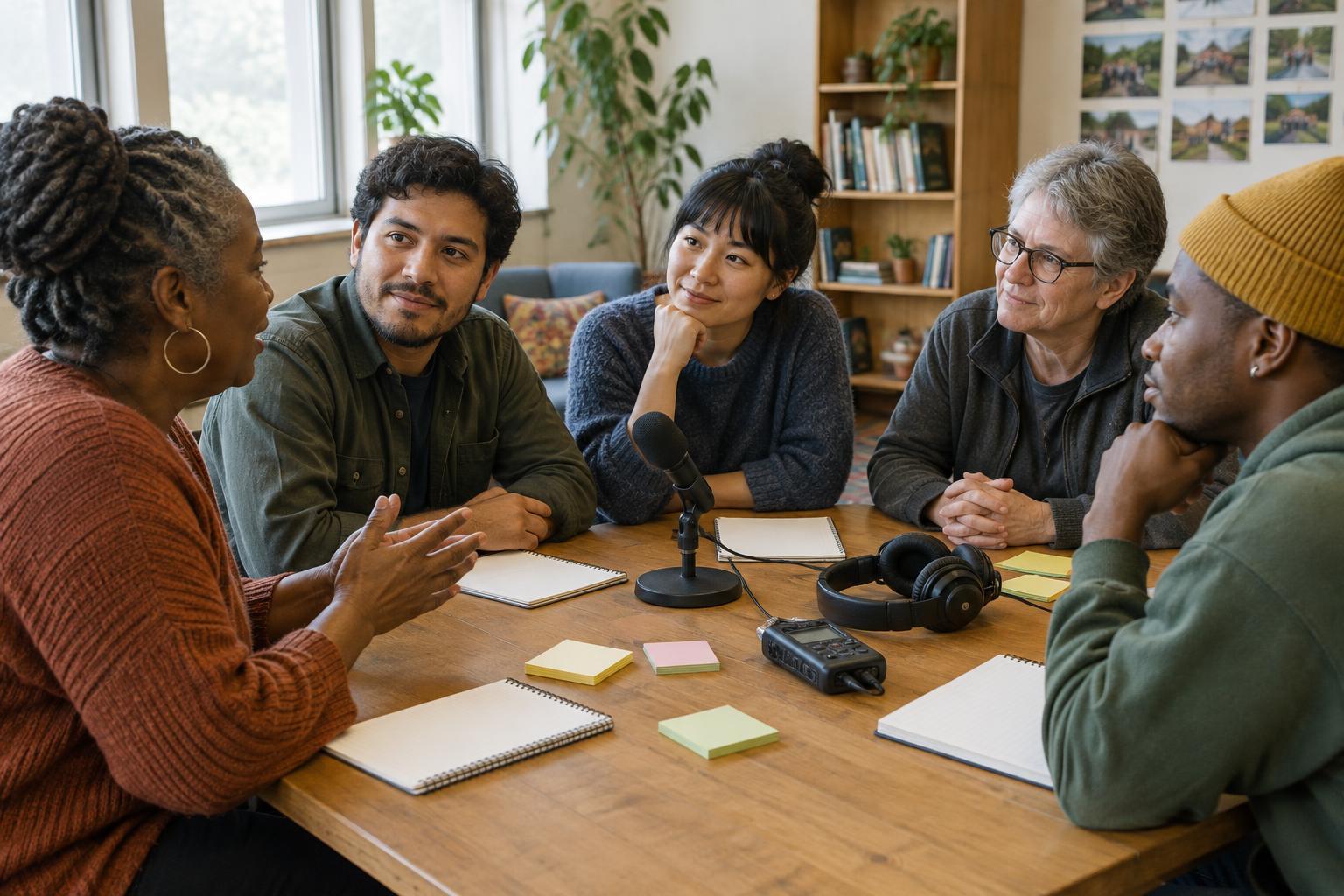
Meaningful participation can happen at several stages. A group might choose a question it wants the audio to explore, decide which voices are missing, agree on interview prompts or listen to a rough cut and flag passages that feel misleading. Participants do not need to vote on every edit. What matters is that the project states where their input can change the work and follows through on that promise.
Each approach has strengths and trade-offs
A creator-led show can move quickly because someone is accountable for decisions. Its consistent perspective may help listeners understand why one episode belongs beside another. The risk is that a familiar host or format can crowd out people closest to the subject, especially when their contributions appear only as short clips framed by the creator’s interpretation.
Community audio can make room for questions an outside producer would not think to ask. It may also give contributors useful recording and storytelling skills. But shared involvement takes time: people need ways to communicate, understand the editing process and disagree without the loudest voice winning. A project can become frustrating if it promises collective ownership while one person quietly retains all the power.
Neither label guarantees an ethical or engaging result. A host can give a guest substantial room to speak; a community project can reproduce its own exclusions. It is more useful to ask specific questions: Who proposes stories? Who can decline to take part? Who hears an edit before publication? Who gets credit for the work?
Build participation into the production plan
Start with a small, concrete invitation rather than a vague request for people to “share their stories.” For example, ask what sounds define a familiar gathering place, or what newcomers wish they had known about a local activity. Explain whether you want voice notes, interviews or planning ideas, and how each might be used. If participation is limited to one episode or one stage, say so.
Before recording, make sure contributors understand where the audio may appear and whether their names will be used. Give them room to avoid questions or stop a recording. When editing, distinguish between removing repetition for clarity and changing the apparent meaning of an answer. For sensitive material, a conversation about context or a chance to review a relevant excerpt may help prevent surprises. A contributor’s willingness to record is not, by itself, a reason to publish every detail.
Think about access as part of participation, too. Not everyone has a quiet room, a good microphone or time for a live session. A phone recording, a shorter interview or an opportunity to help plan without appearing on air may let more people contribute. Clear deadlines and a named contact make it easier to know what happens next.
Choose a format that matches your promise
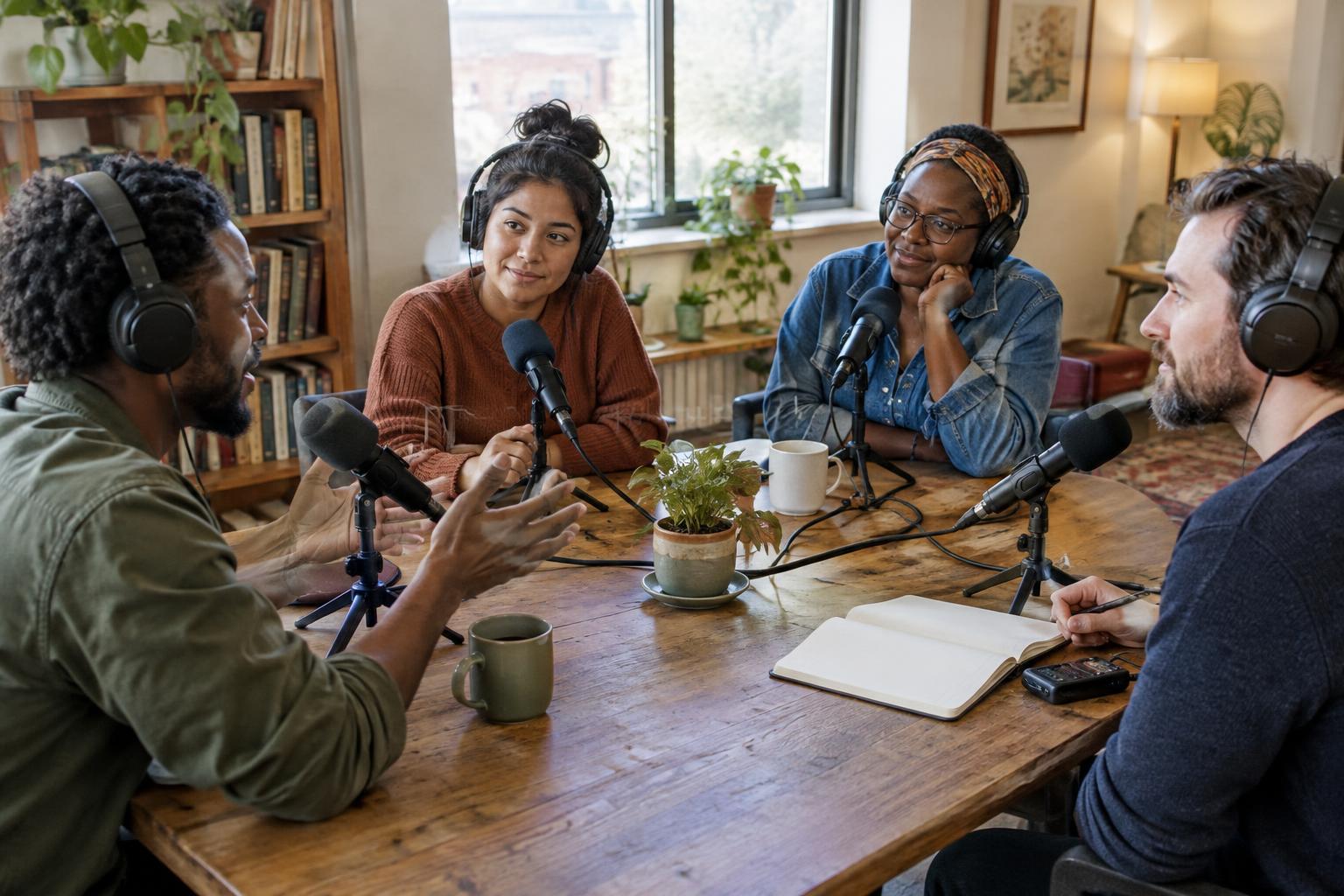
These approaches can overlap. A creator might host and edit a series while a rotating group selects its themes. A community project might appoint one producer to keep episodes coherent. The useful question is not which label sounds better, but whether the roles match what listeners and contributors have been told.
For a new project, write down three decisions before making an episode: who sets the question, who has a say in the edit and who makes the final call. Share those answers with participants in ordinary language. When people know what they can shape—and what they cannot—the conversation has a firmer foundation. Good community audio is not simply audio with many voices; it gives those voices a meaningful relationship to the story being told.