Start with people, not a format
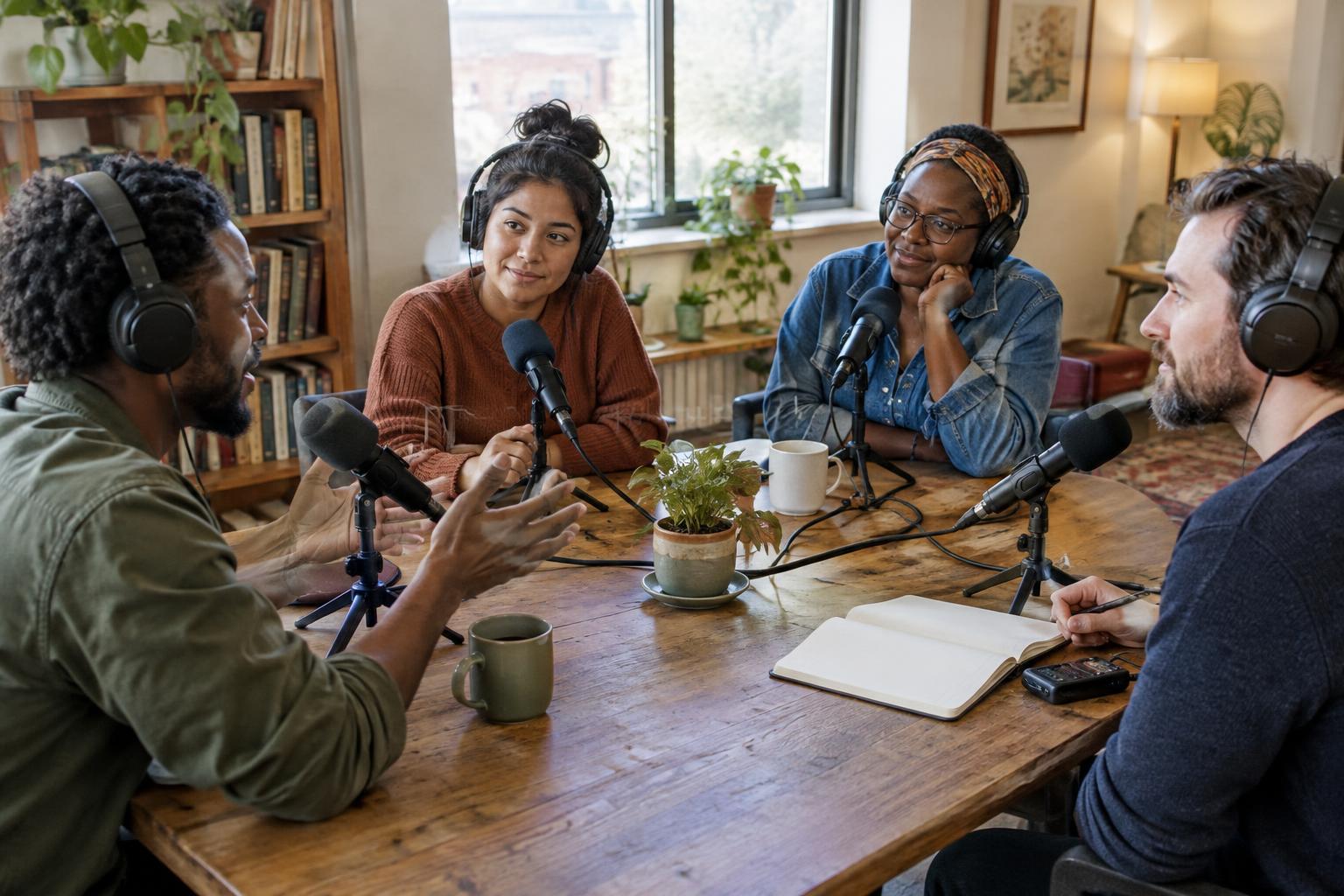
A community audio project might become a podcast, a collection of oral histories, a series of neighborhood sound walks, or short recordings shared at local gatherings. The format matters, but it is not the purpose. Before choosing episode lengths or microphones, ask what people want the project to do. It might help neighbors hear one another’s experiences, preserve memories in participants’ own voices, or make room for creative work that seldom gets a platform.
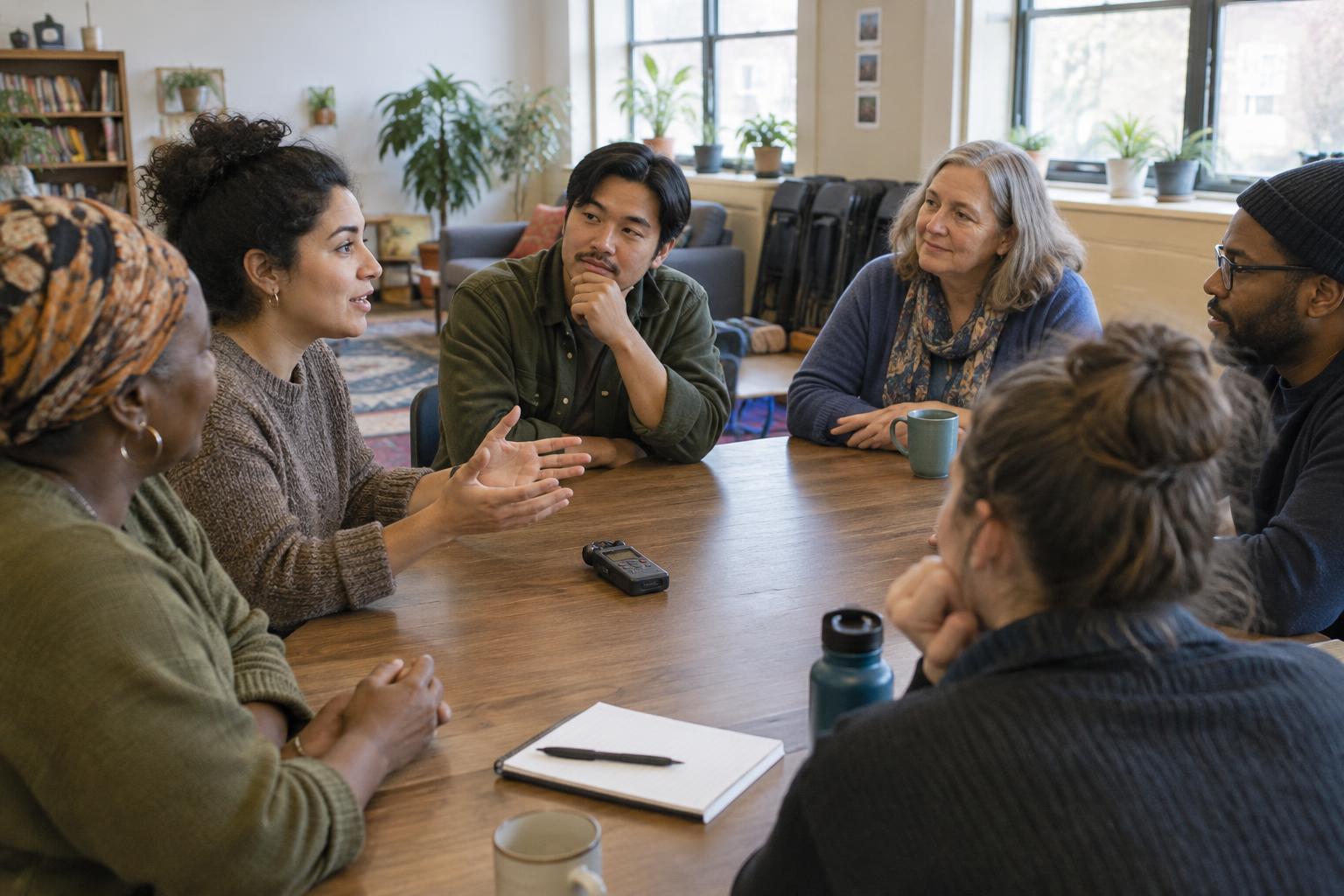
Invite potential contributors and listeners into that conversation early. Ask open questions: What would you be glad to hear? Whose perspectives are missing? What would make you comfortable contributing? Listen for differences as well as common ground. A person who wants to record family stories may have different expectations from someone who wants to discuss local issues. A shared purpose does not have to erase those differences; it should give them a direction people can recognize.
Name the audience and the value
A purpose becomes easier to use when it names who the audio is for and what those people should gain from it. “Make community stories” is a starting point, but it leaves many choices unresolved. “Help new and longtime residents learn from one another through short, participant-led stories about everyday places” gives a team more to work with. It suggests whom to invite, what kinds of stories fit, and how to approach them.
Be specific without assuming that one group speaks with a single voice. “For young people” may describe an audience, but young people have varied interests and experiences. You can define the audience by a shared question or activity instead: people curious about the history of a street, members of a community garden, or neighbors learning how others use a public space. Then ask what listening should offer them, such as recognition, curiosity, connection, or a chance to respond.
Decide what participation really means
Community audio is not defined only by its subject matter. A project about a place can still leave the people who live there with little say over how they are represented. Discuss who can suggest topics, record, interview, edit, review, and decide when a piece is ready to share. Not everyone needs the same role, but the route to participation should be clear. If a small production team makes final editorial decisions, say so rather than implying that every decision is collective.
Purpose also includes boundaries. Agree on how contributors will be told where recordings may appear and how they can raise a concern before publication. Consider what stories the team is equipped to handle and when a conversation is better left unrecorded. These choices shape trust as much as the finished audio does. A manageable project with clear expectations may serve participants better than an ambitious one whose promises are difficult to keep.
Turn the discussion into a working statement
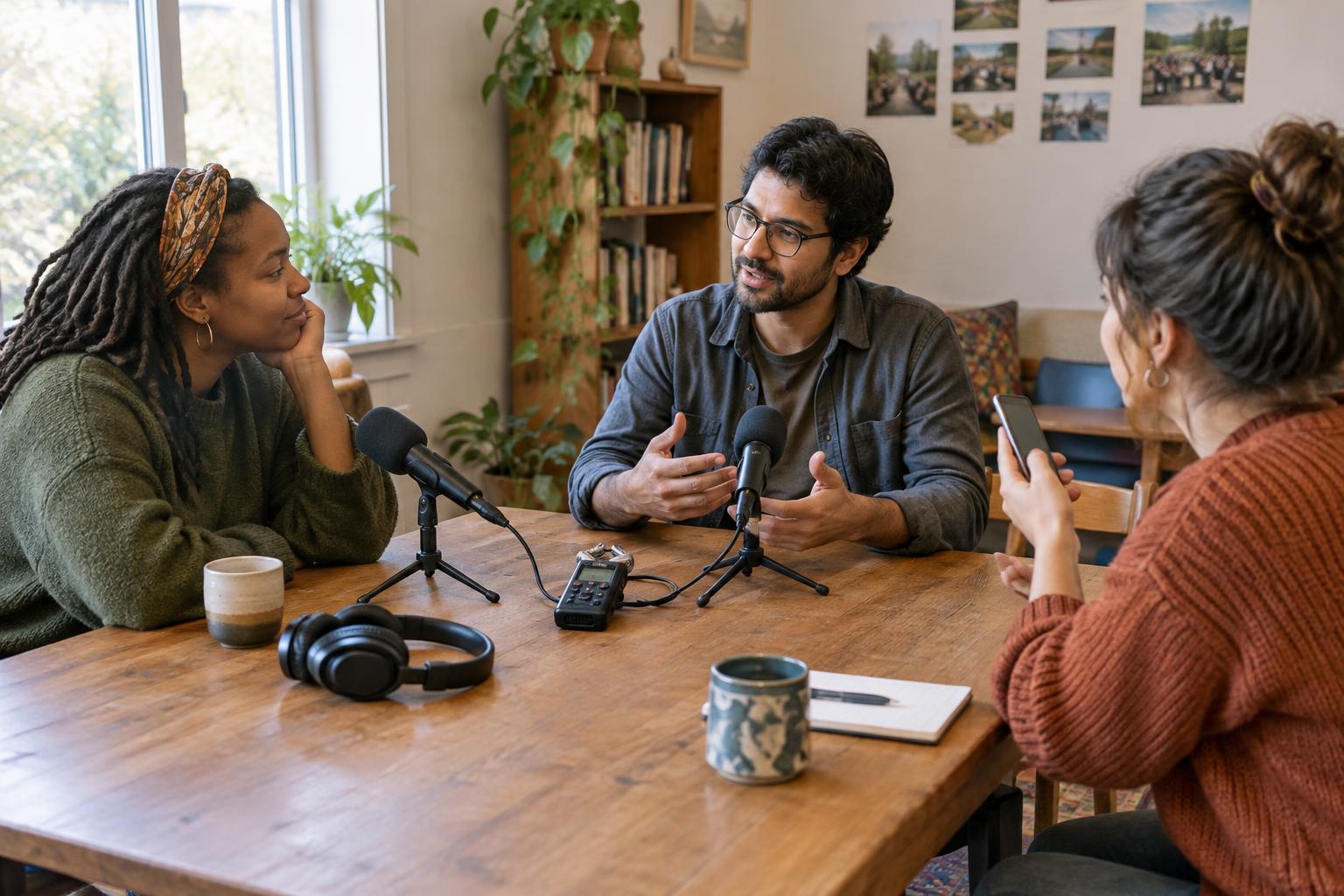
Once you have heard from participants, draft one or two sentences that join three elements: who the project brings together, what it makes or shares, and why. For example: “We make short audio portraits with people who use the community garden so neighbors can hear the stories behind a shared space. Contributors help choose the questions and review how their own voices are presented.” This is a working example, not a template every project must follow.
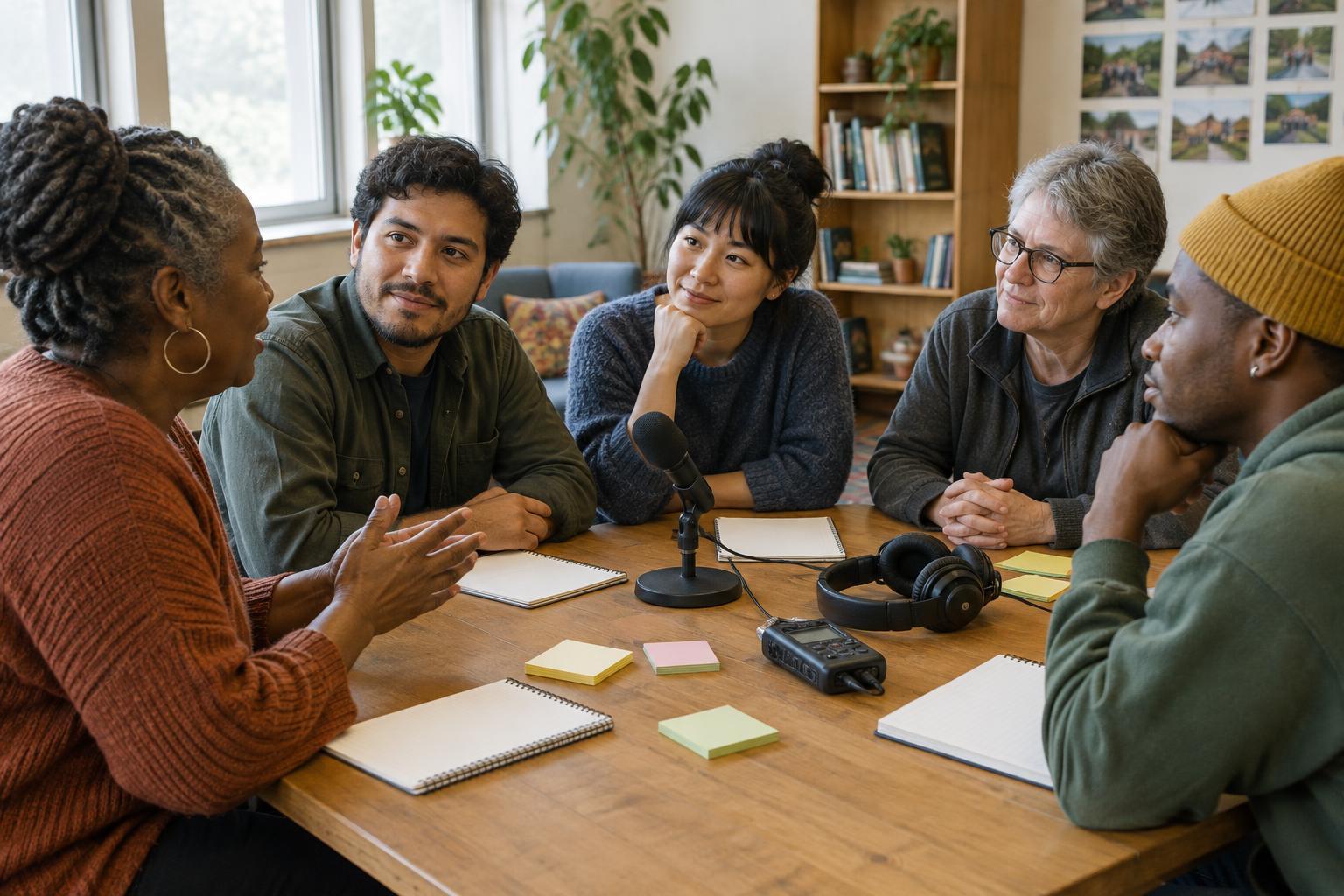
Test the statement against real decisions. Would it help you choose between two proposed stories? Would a new volunteer understand what they are joining? Could a potential contributor tell what influence they would have? If the answer is no, replace broad words such as “empower” or “celebrate” with actions people can picture. Keep the statement short enough to remember, then record any detailed production agreements separately.
Use the purpose, then revisit it
A purpose statement is useful only when it affects the work. Put it beside the questions used to plan each recording: Who asked for this story? Who has a chance to speak? What will a listener understand afterward? When time or equipment is limited, the purpose can help the team choose a smaller, more thoughtful piece instead of trying to cover everything. It can also make it easier to explain why a proposed episode is not the right fit.
Treat the statement as stable enough to guide a series, but open to revision as people learn. After sharing a few pieces, ask contributors what felt accurate, what was difficult, and who still has not found a way in. If the project changes audience or approach, update its purpose openly. The goal is not a perfect slogan. It is a shared basis for making audio that participants can understand, question, and help shape.