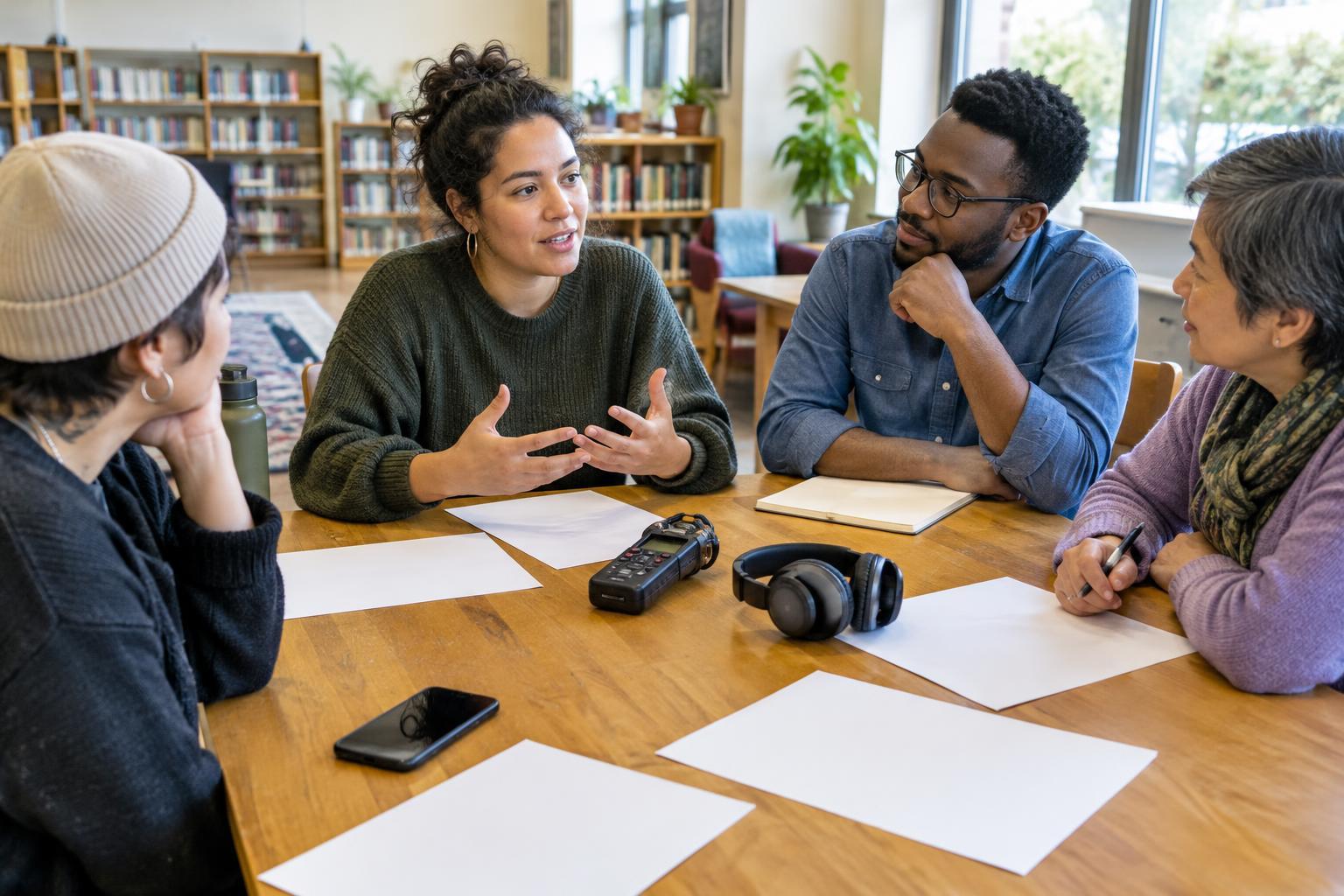
Community AudioA good open call helps people decide whether they have a story to share and what sharing it will involve. Use clear prompts, flexible recording options, consent language, and a realistic explanation of how contributions may be edited and presented.
Read article · 4 min↗

Community AudioA community audio project can become more interesting when the people shaping it are not all connected to its creator. Learn how to make invitations clearer, offer more ways to take part, and build trust before asking anyone to record.
Read article · 4 min↗
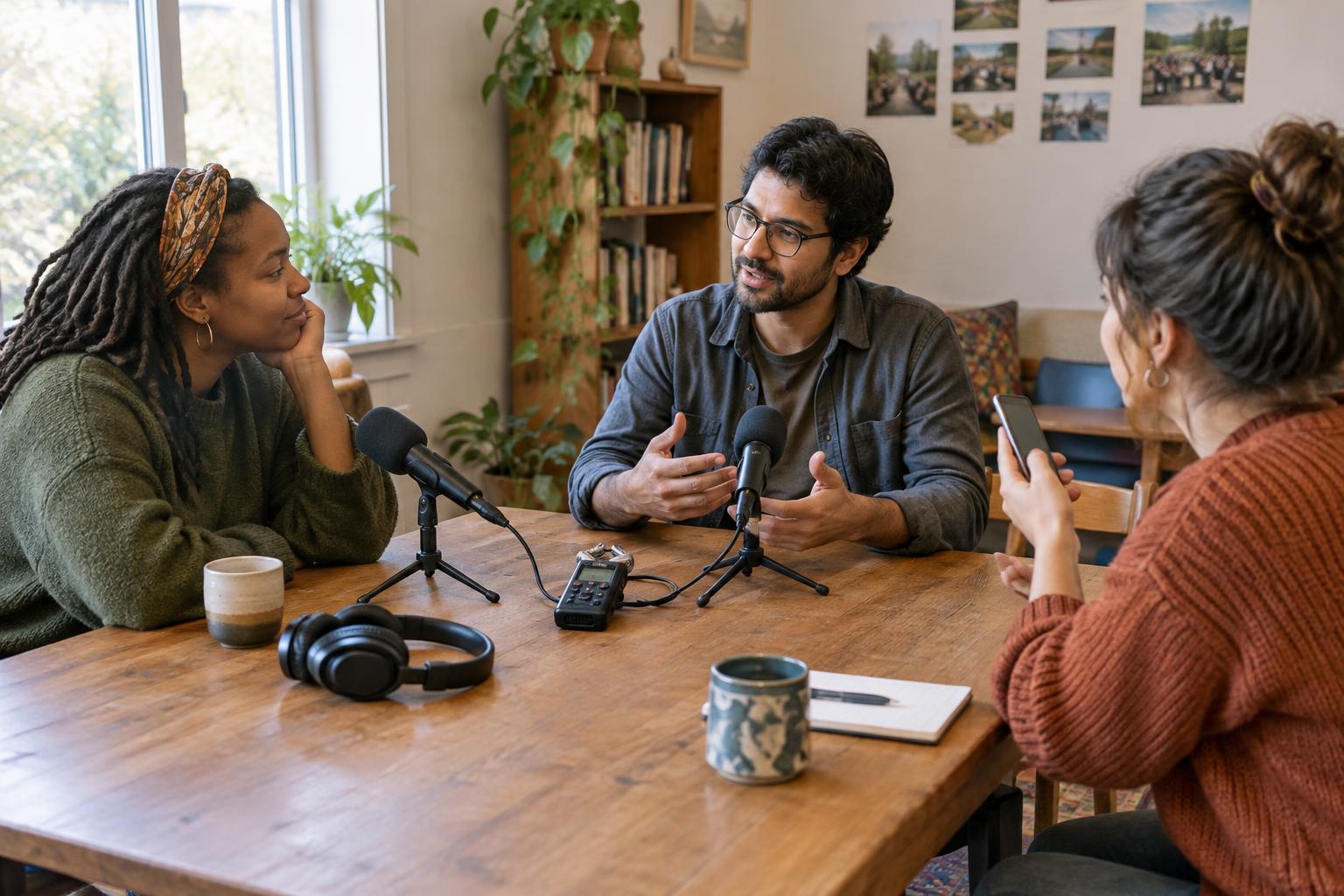
Community AudioA roundtable, listening circle, and voice-note collection invite people to participate in different ways. Use this guide to match the format to your community’s purpose, time, and comfort with recording.
Read article · 4 min↗
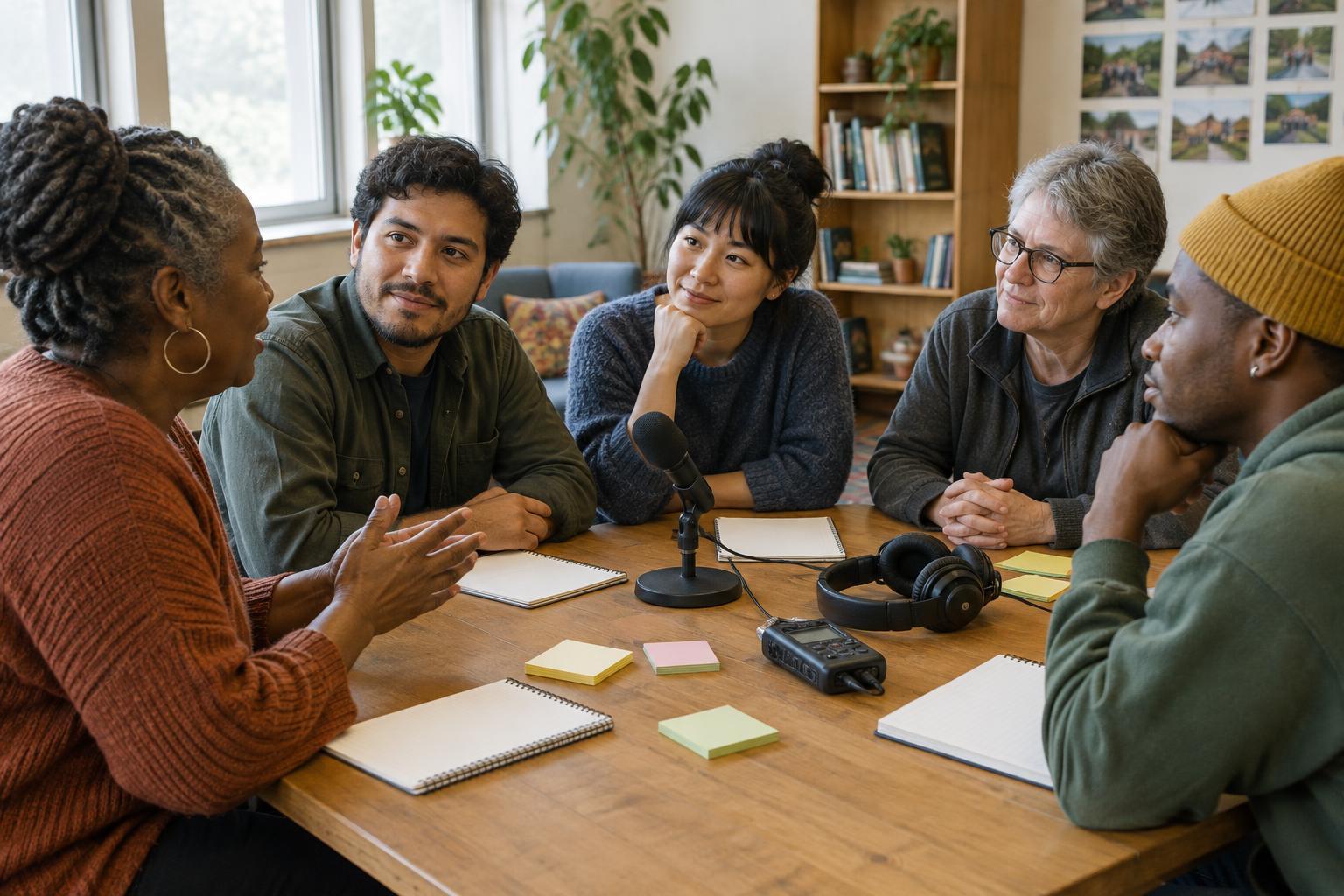
Community AudioA community audio project works best when participants can explain whom it serves, what it hopes to make possible, and how people can take part. Use a simple purpose statement to guide story choices, roles, and decisions as the project grows.
Read article · 4 min↗
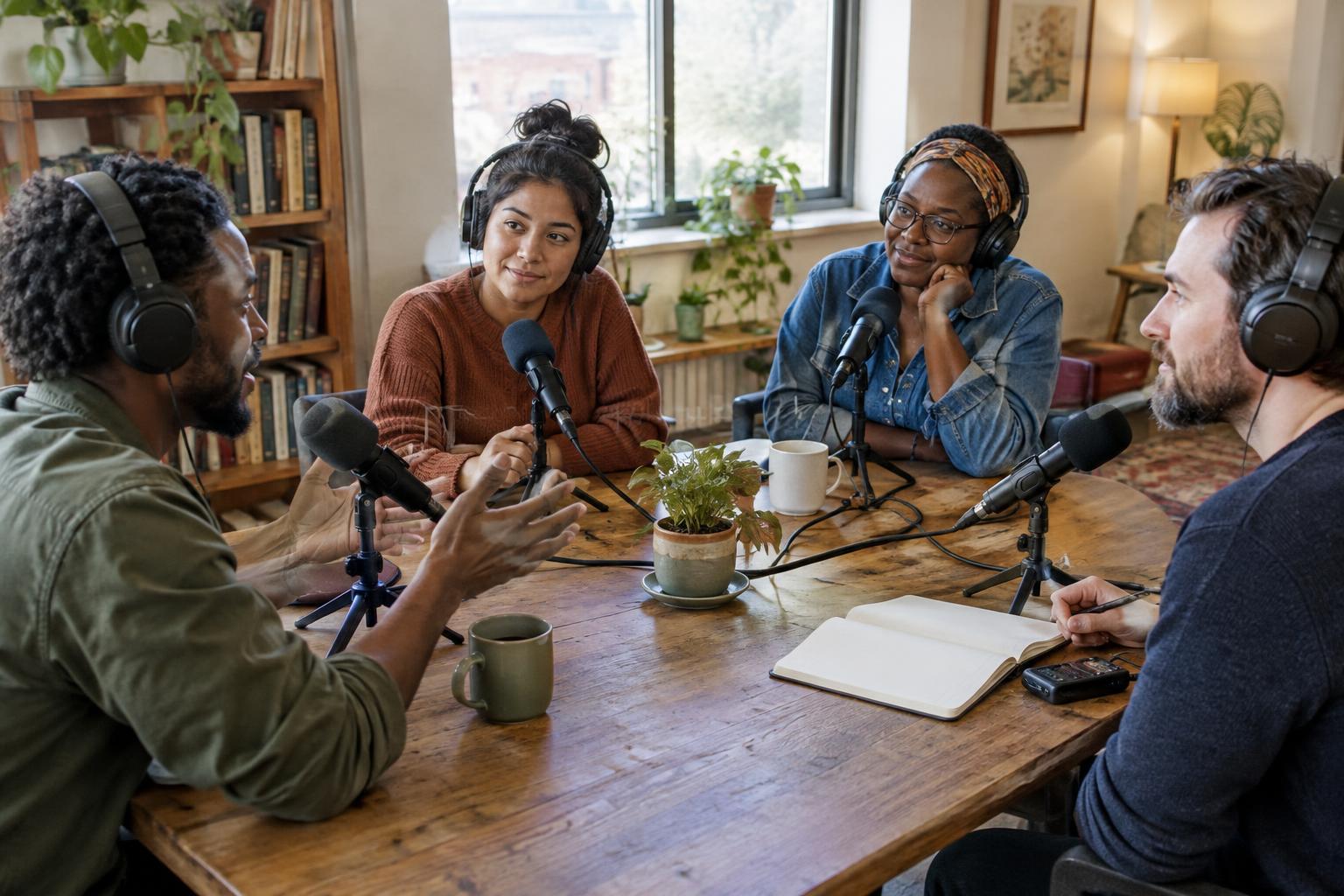
Community AudioA community audio project and a creator-led podcast can cover the same subject while giving people very different roles in shaping it. Here is how to think about editorial control, participation, consent and the space between the two approaches.
Read article · 4 min↗
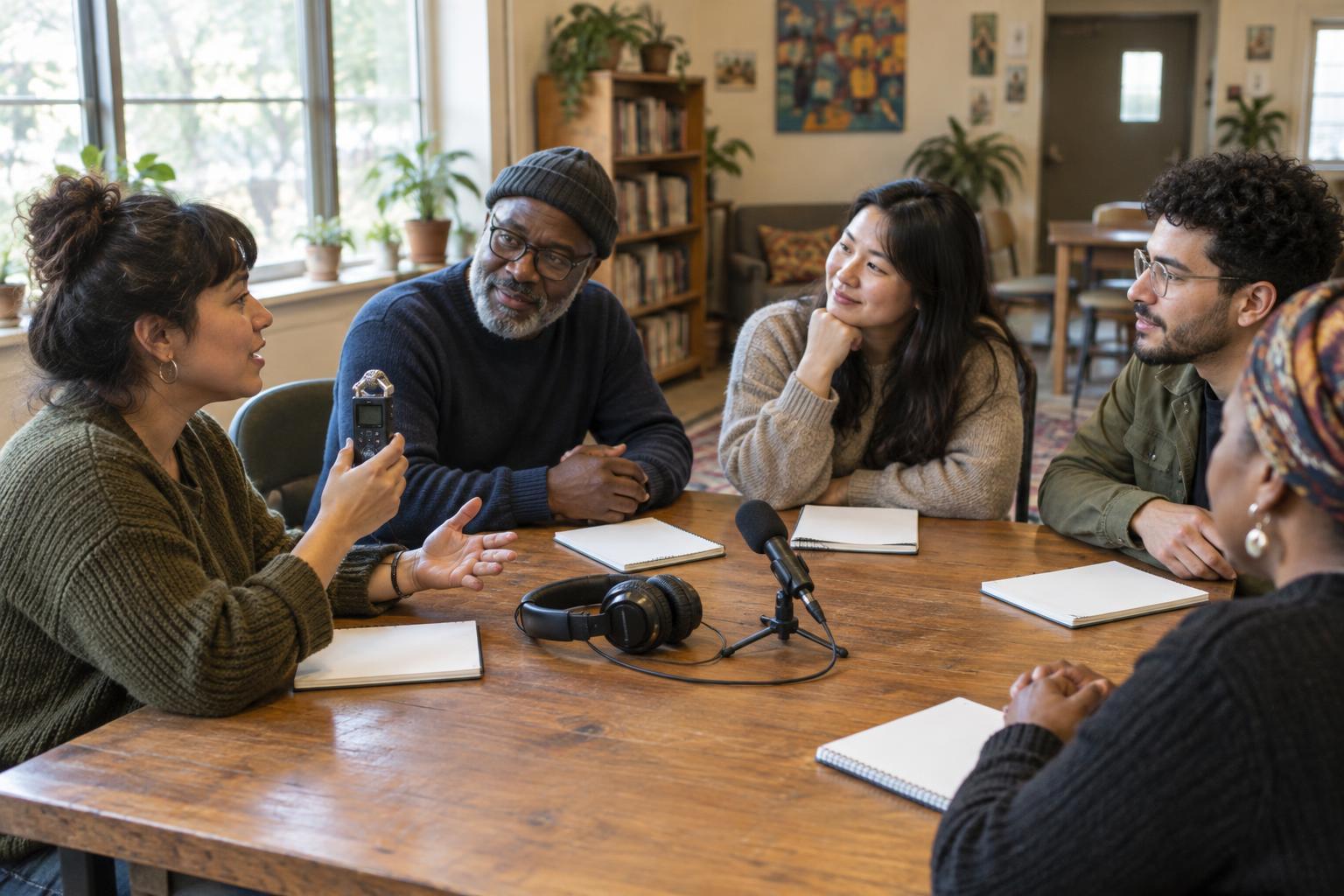
Community AudioCommunity audio brings people together to listen, record and shape stories about a shared place or interest. Learn how to start a small project, invite meaningful participation and handle recordings with care.
Read article · 4 min↗
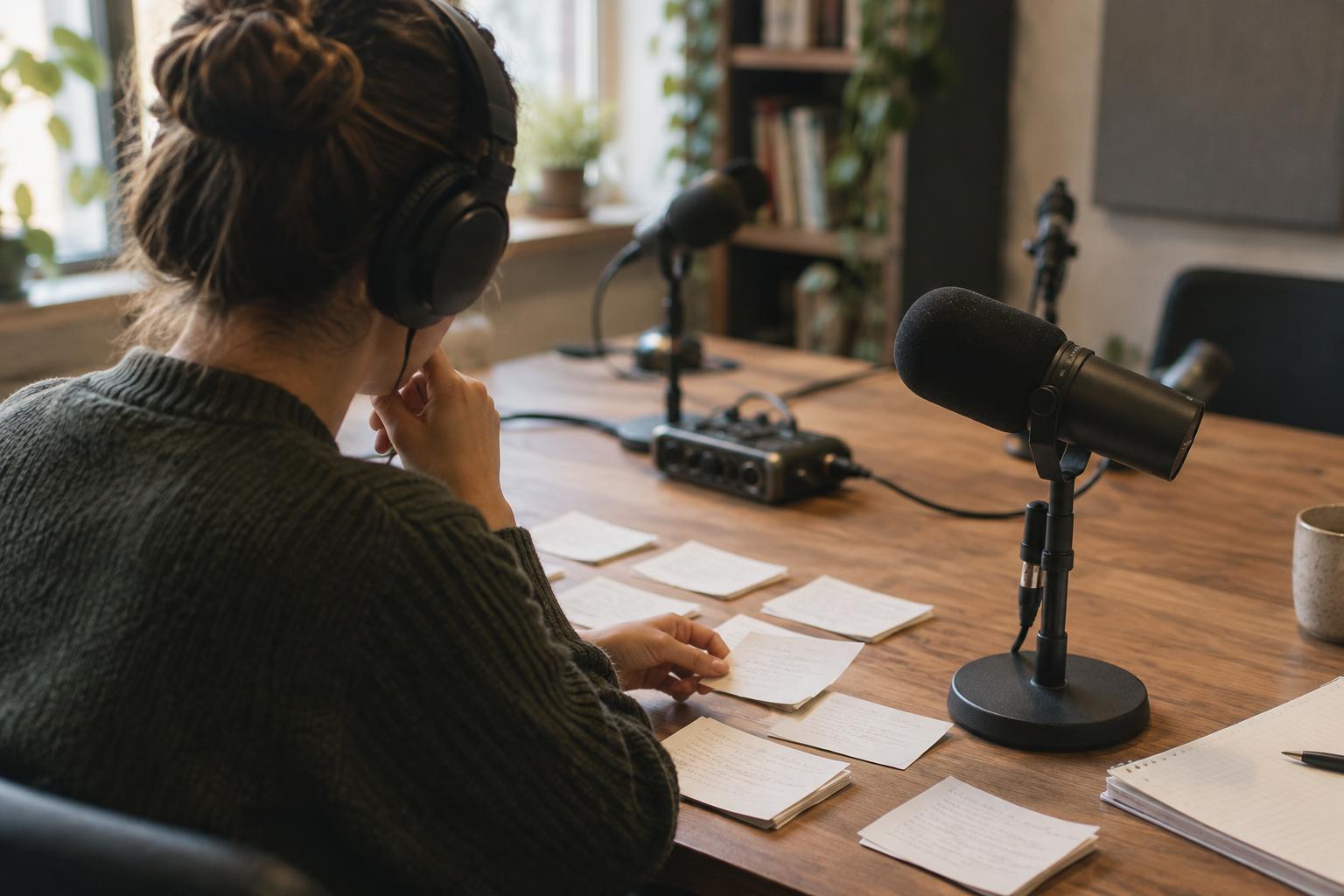
Audio StorytellingA compelling audio story needs more than good recordings. Learn how to choose voices with purpose, give listeners the context they need, and build momentum without inventing suspense.
Read article · 4 min↗
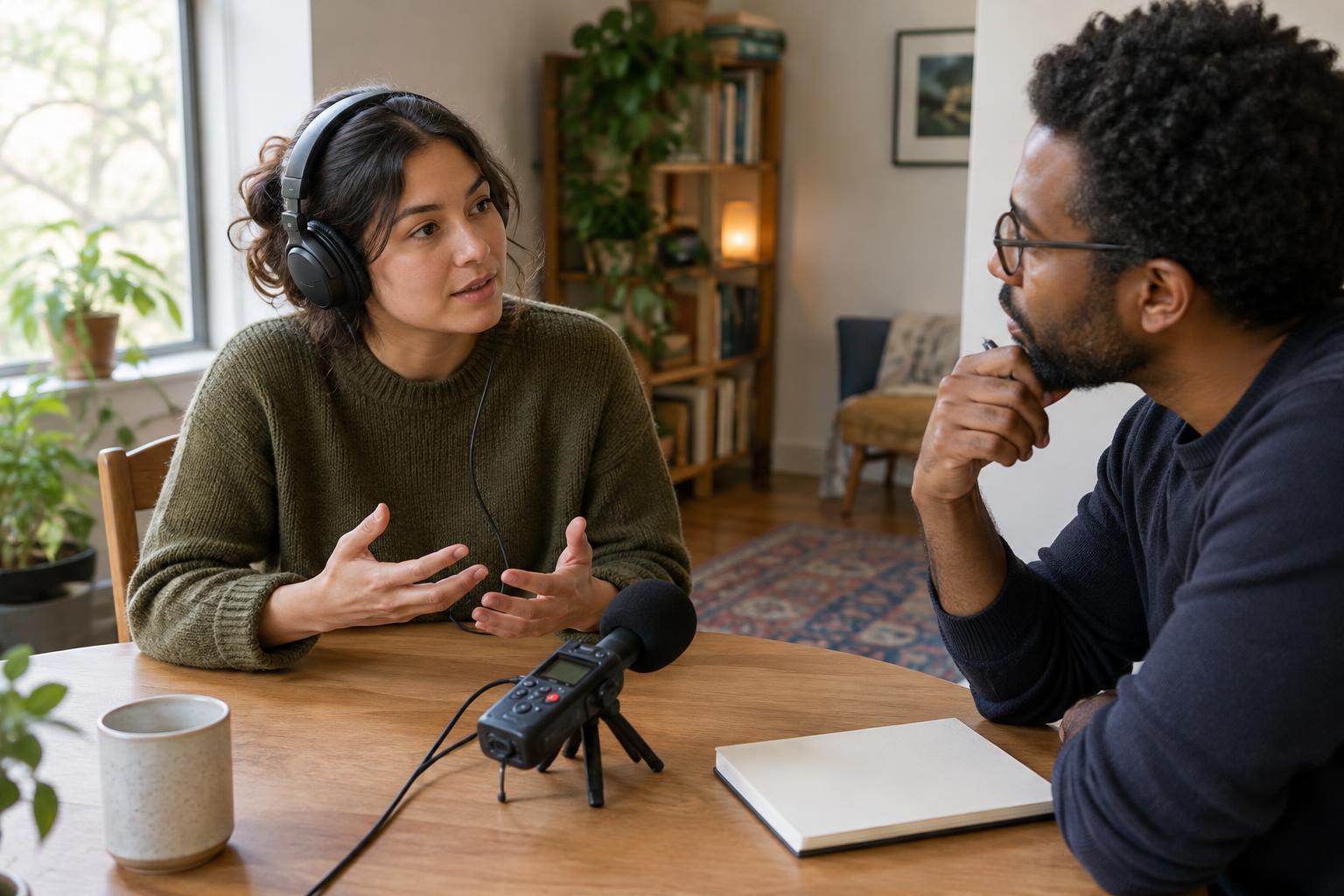
Audio StorytellingA story can feel clear when you know every interview and edit by heart. A first-time listener knows only what the audio tells them. Use a fresh-listener test to find missing context, confusing voices, unexplained sounds and moments where the story loses its thread.
Read article · 4 min↗
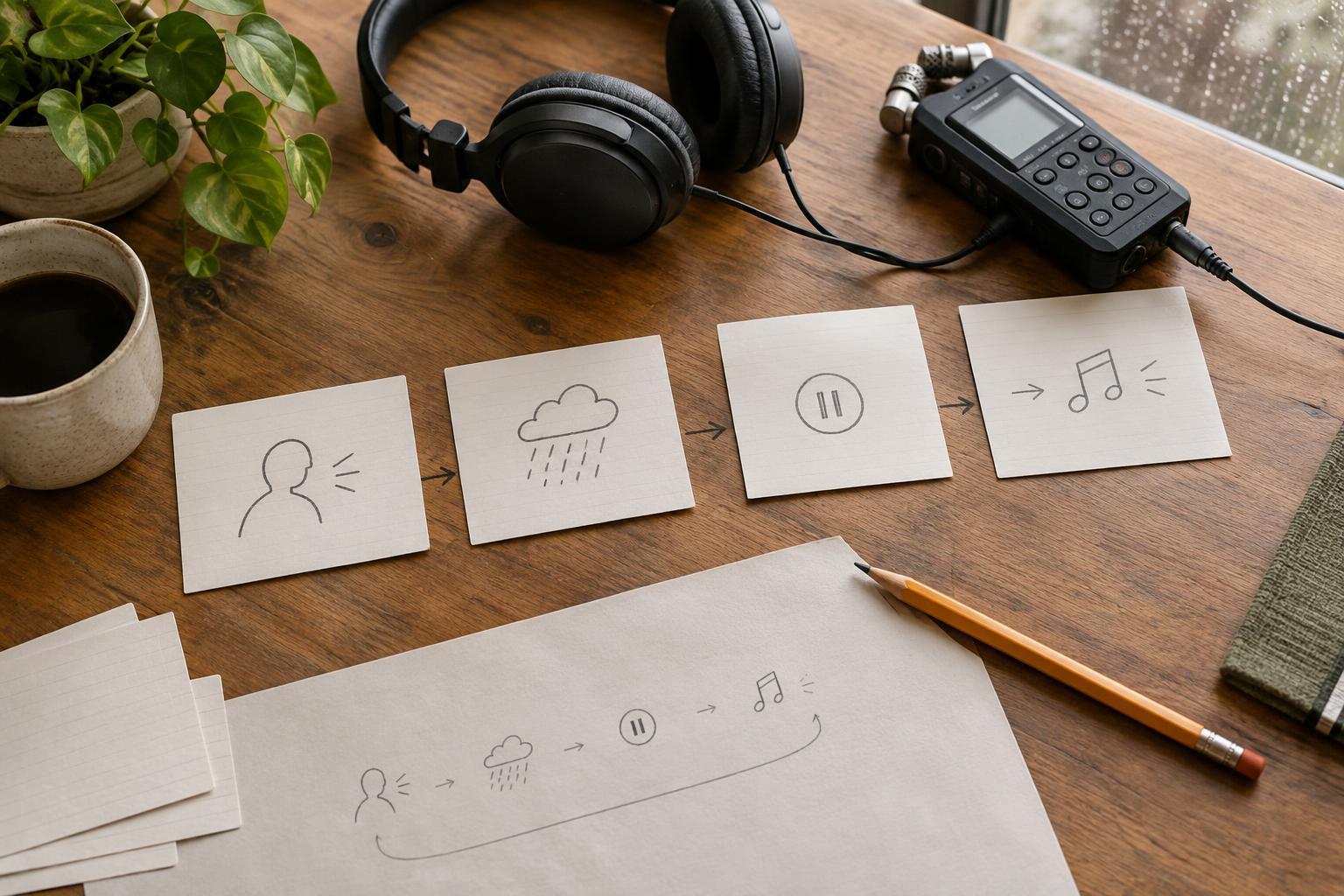
Audio StorytellingAn audio storyboard helps you plan what listeners will hear, when they will hear it, and why each moment matters. Learn how to turn a simple story idea into a flexible sequence of scenes, voices, sounds, and transitions before you start editing.
Read article · 4 min↗

Audio StorytellingA satisfying audio ending gives listeners a clear sense of what changed while leaving room for them to feel and interpret it. Learn how to find the story’s final turn, choose a closing scene, and use sound without turning the last minute into a summary.
Read article · 4 min↗
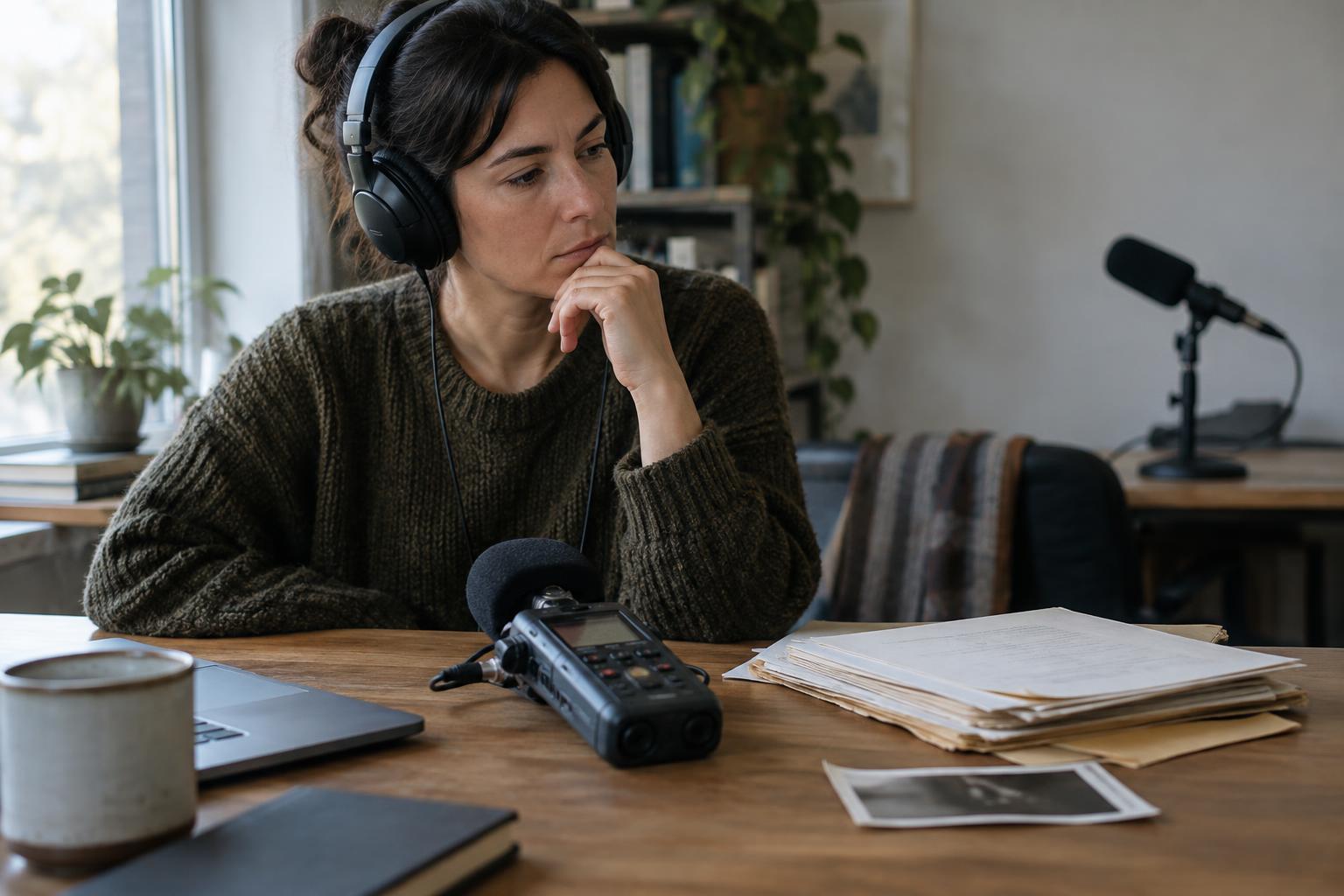
Audio StorytellingAudio can make a remembered moment feel as immediate as a recording made on the spot. Learn how to distinguish verified details, personal recollections, and recreated scenes without interrupting the flow of a story.
Read article · 4 min↗
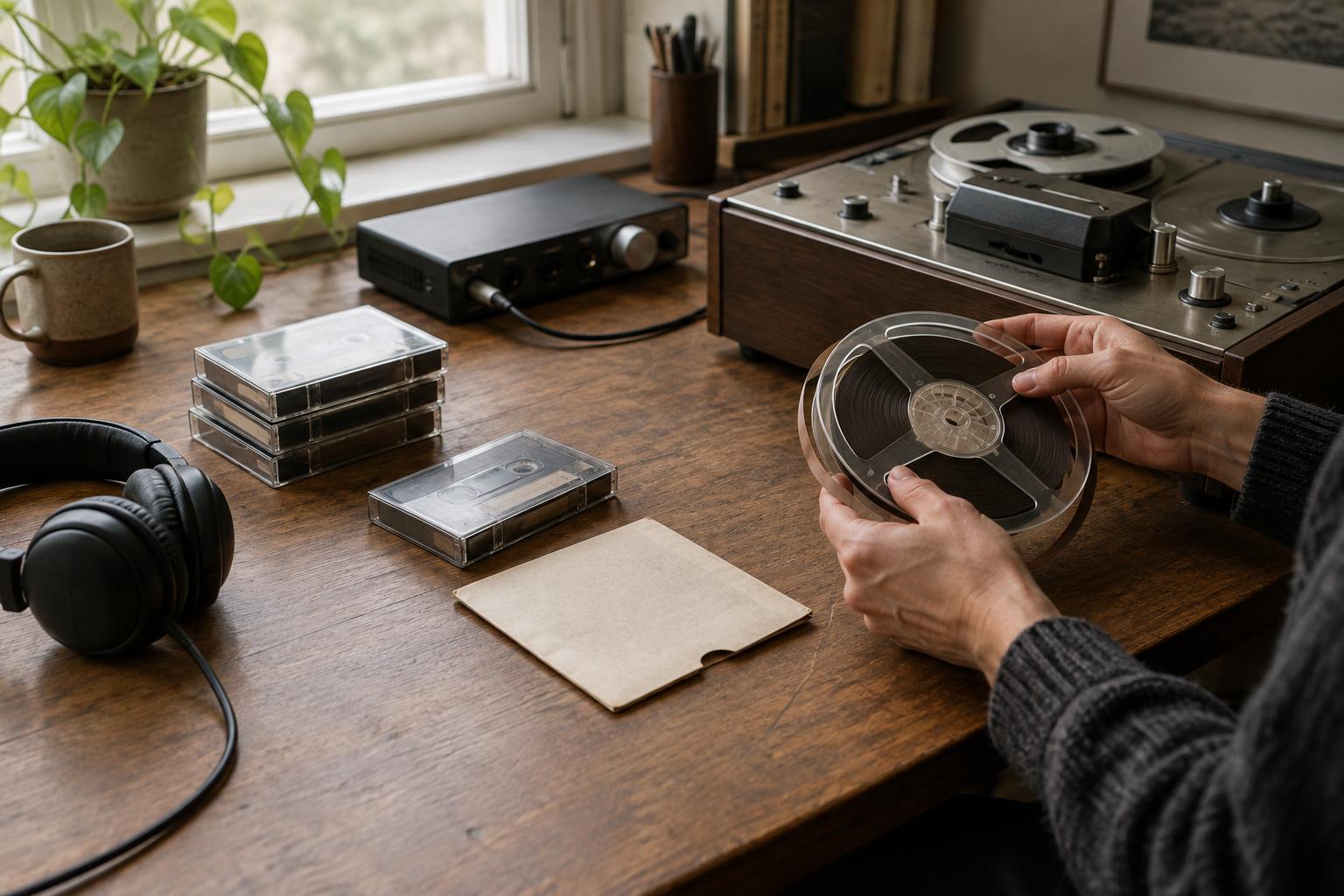
Audio StorytellingAn archival voice can bring a listener close to a moment in time, but it can also be easy to misread or misuse. Learn how to choose clips for a clear storytelling purpose, preserve their context, handle permissions carefully, and make older recordings sound intelligible without disguising their history.
Read article · 4 min↗
Audio StorytellingGood pacing gives listeners time to understand what happened and why it matters. Learn how to use structure, narration, sound and silence to make room for the moments at the heart of an audio story.
Read article · 4 min↗
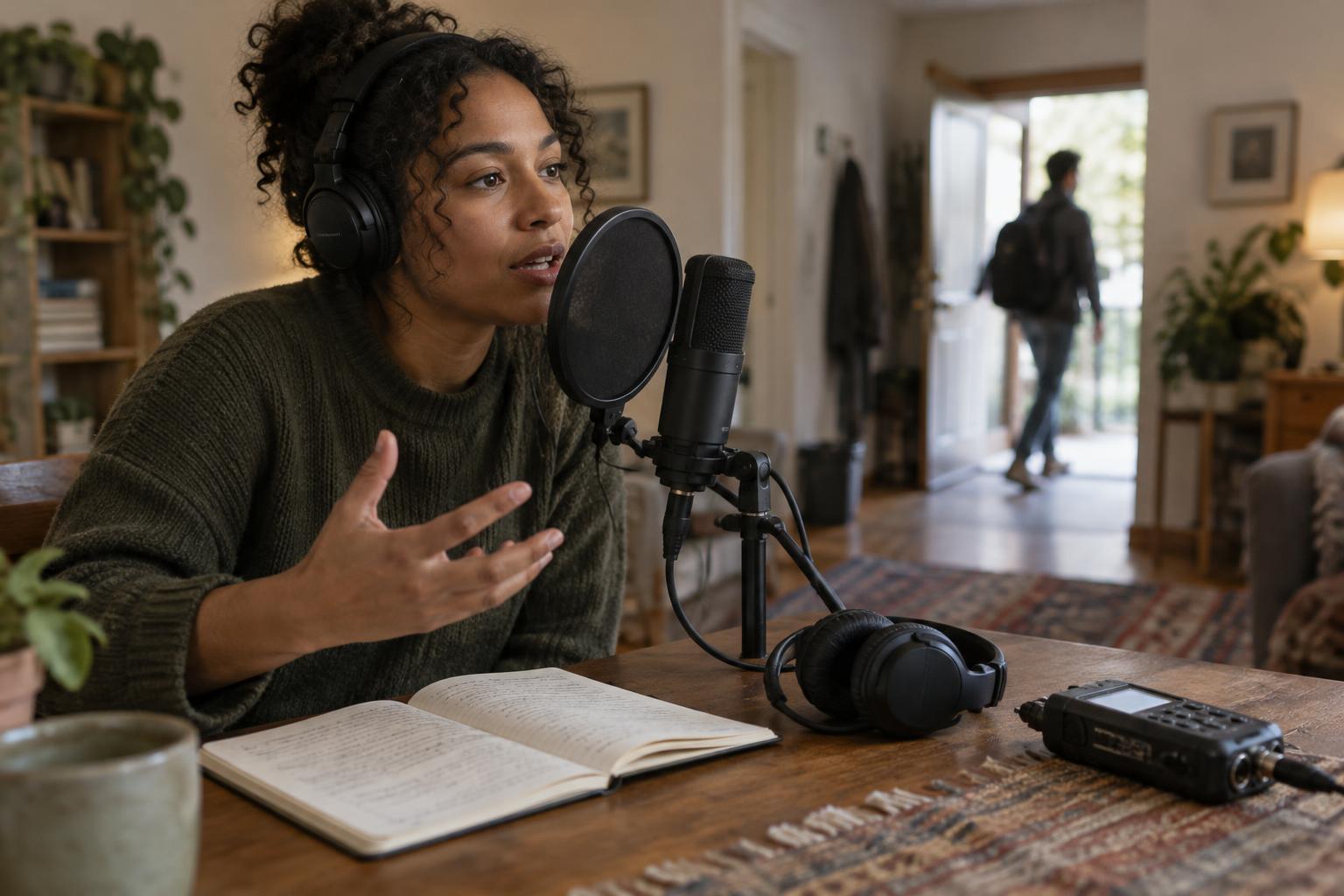
Audio StorytellingA spoken-word story needs enough context to orient listeners and enough action to keep them curious. Learn how to place background information around scenes, use sound with purpose, and revise a script by listening rather than reading alone.
Read article · 4 min↗
Audio StorytellingA listener cannot see a scene change. Learn how to use narration, ambient sound, pauses and music to guide them across shifts in time and place without slowing the story down.
Read article · 4 min↗
Audio StorytellingA strong cold open does more than sound dramatic. It gives listeners a reason to care, a clear reason to keep listening, and a trustworthy path into the story. Learn how to choose an opening moment, shape it for audio, and test whether it delivers on its promise.
Read article · 4 min↗
Audio StorytellingShould your audio story follow events in order or begin somewhere unexpected? Learn how each structure shapes listener understanding, suspense and the work of editing.
Read article · 4 min↗
Audio StorytellingSilence can give listeners time to absorb an idea, notice a change in mood, or anticipate what comes next. Learn how to place pauses with purpose in podcasts and other spoken-word stories without losing clarity or momentum.
Read article · 4 min↗
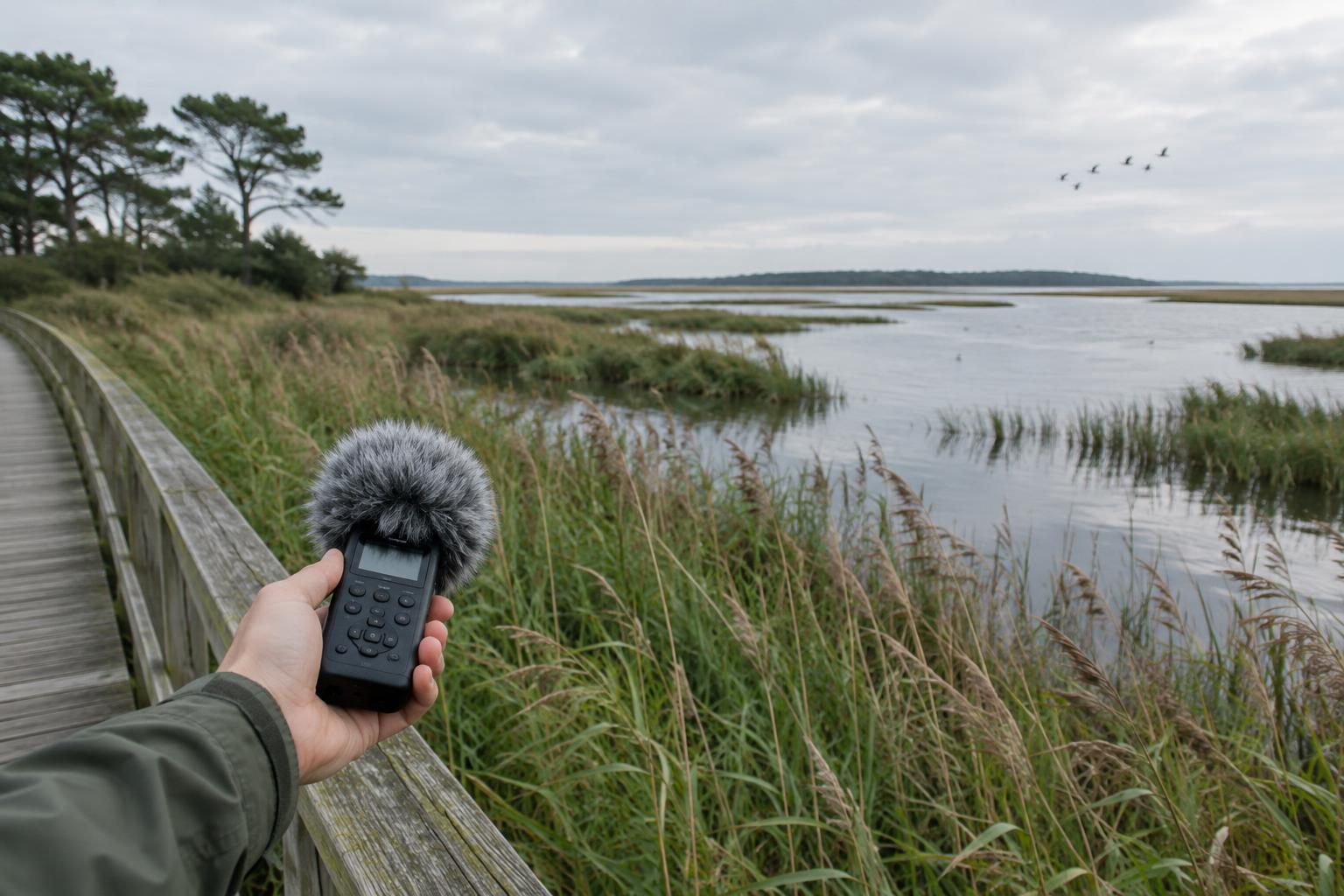
Audio StorytellingAmbient sound can help listeners picture a place before anyone describes it. Learn how to choose, record and edit background sound so it adds context without competing with the story.
Read article · 4 min↗
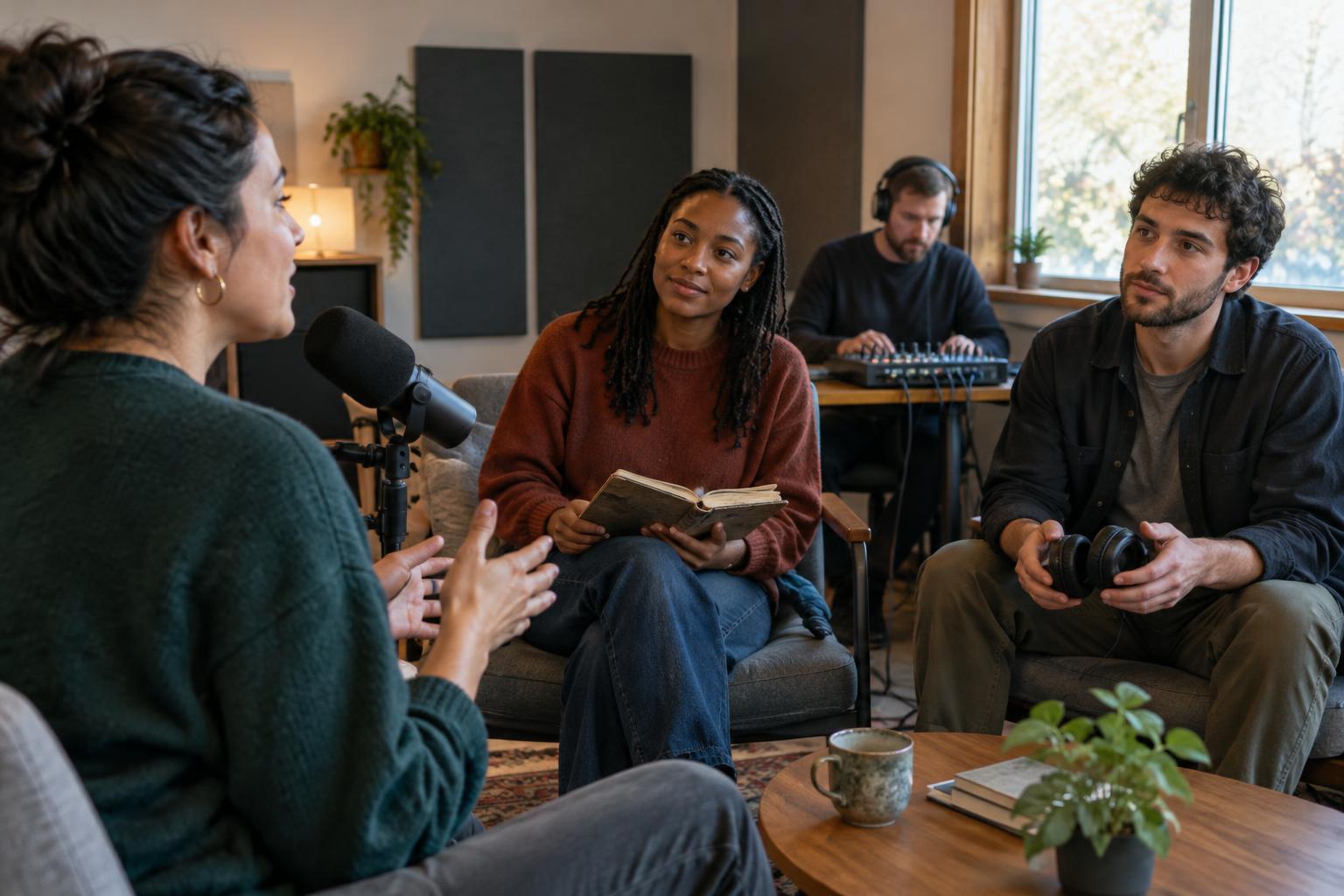
Audio StorytellingIn audio storytelling, a listener cannot glance at a face, uniform or name tag to identify a character. Clear introductions give each person a role, a reason to be present and a memorable connection to the story—without stopping the scene for a biography.
Read article · 4 min↗
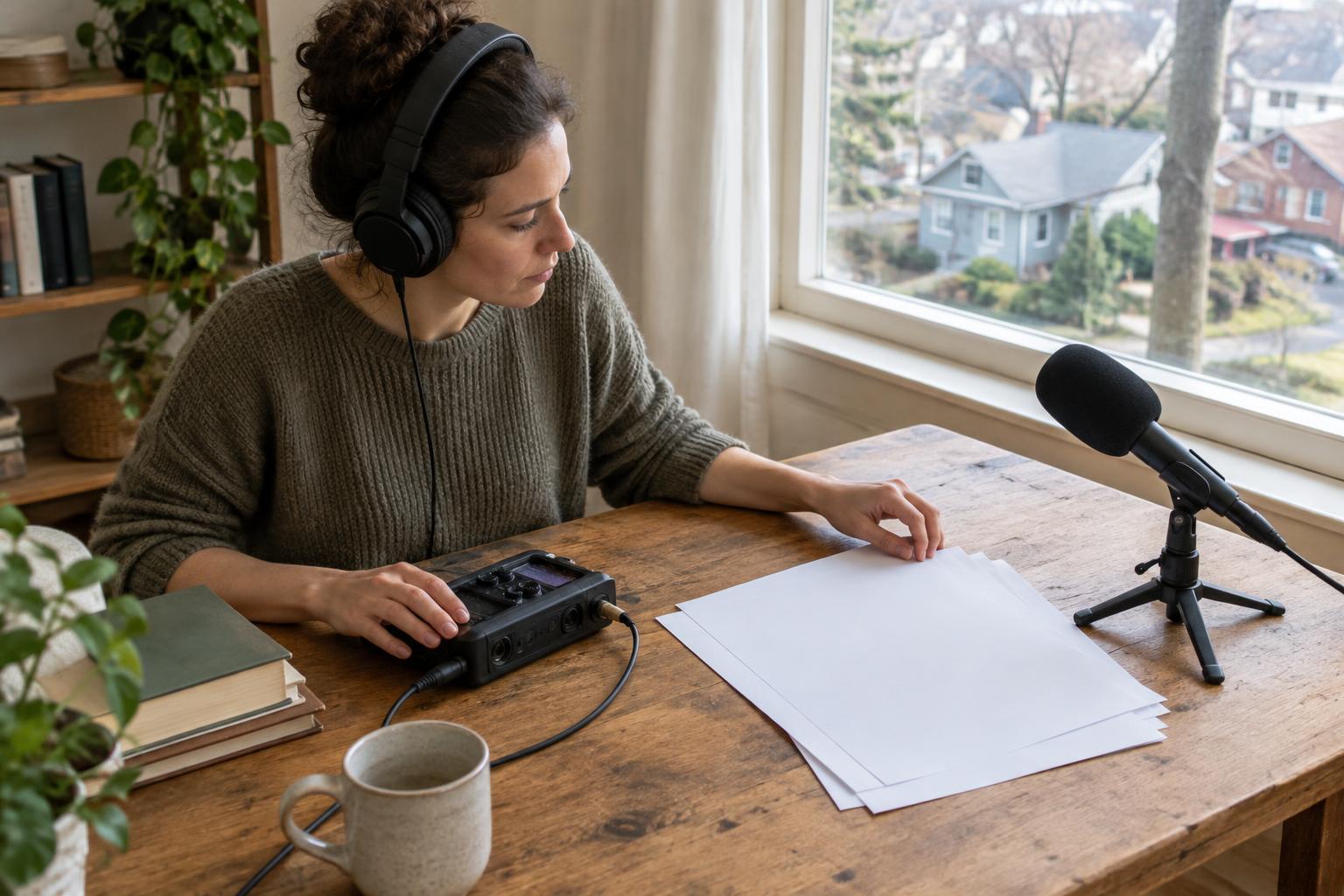
Audio StorytellingIn audio storytelling, the strongest narration helps listeners understand what a recording cannot explain on its own. Learn how to write around interviews and scenes, add essential context, and leave room for the voices and sounds that carry the story.
Read article · 4 min↗

Audio StorytellingA strong audio scene helps listeners understand what happened, where they are, and why a moment matters. Learn how to shape interview tape with narration, sound, and careful edits while protecting the speaker’s meaning.
Read article · 4 min↗
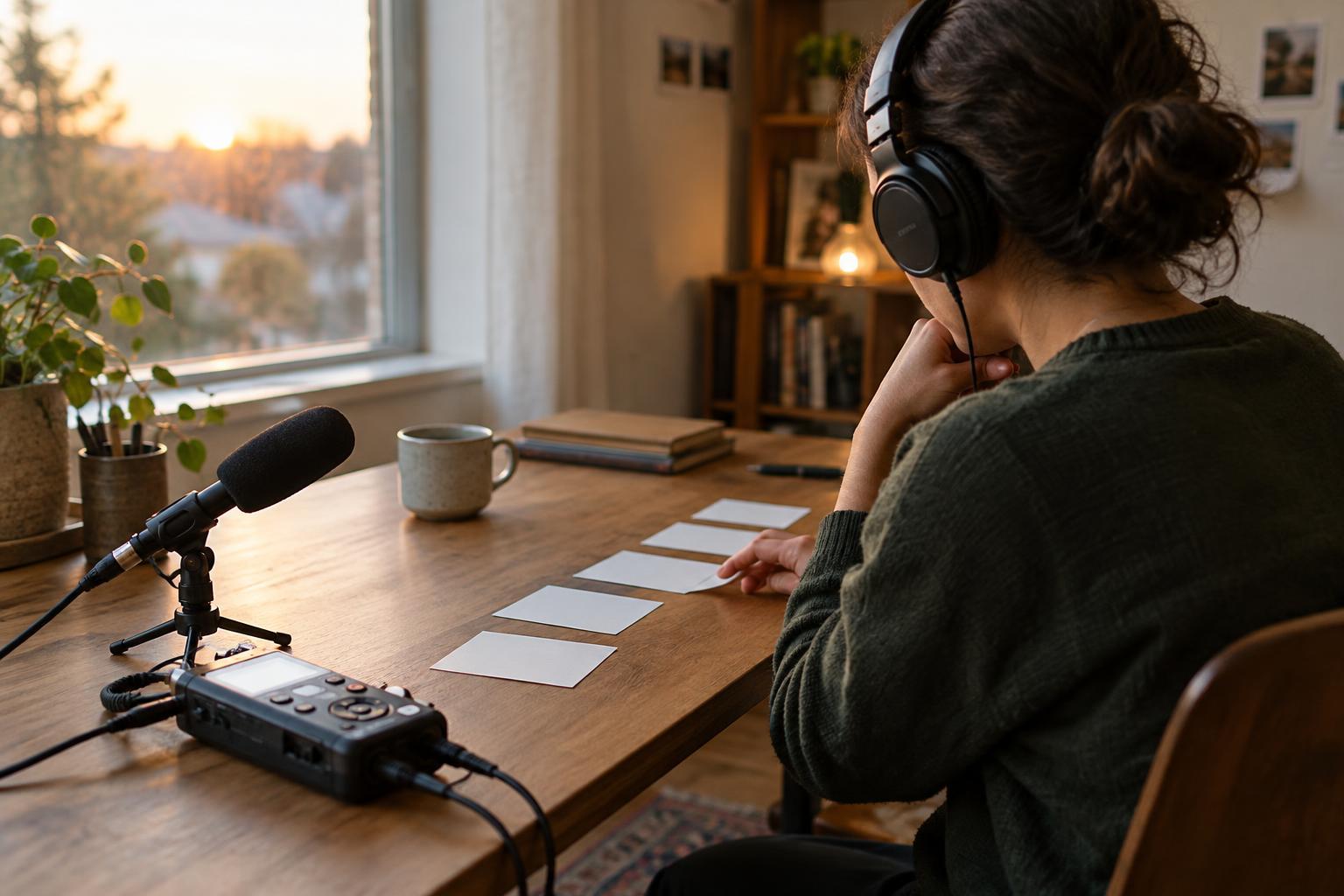
Audio StorytellingA short audio feature needs more than a collection of good clips. Learn how to shape a focused question, choose revealing scenes and guide listeners from an engaging opening to a satisfying ending.
Read article · 4 min↗
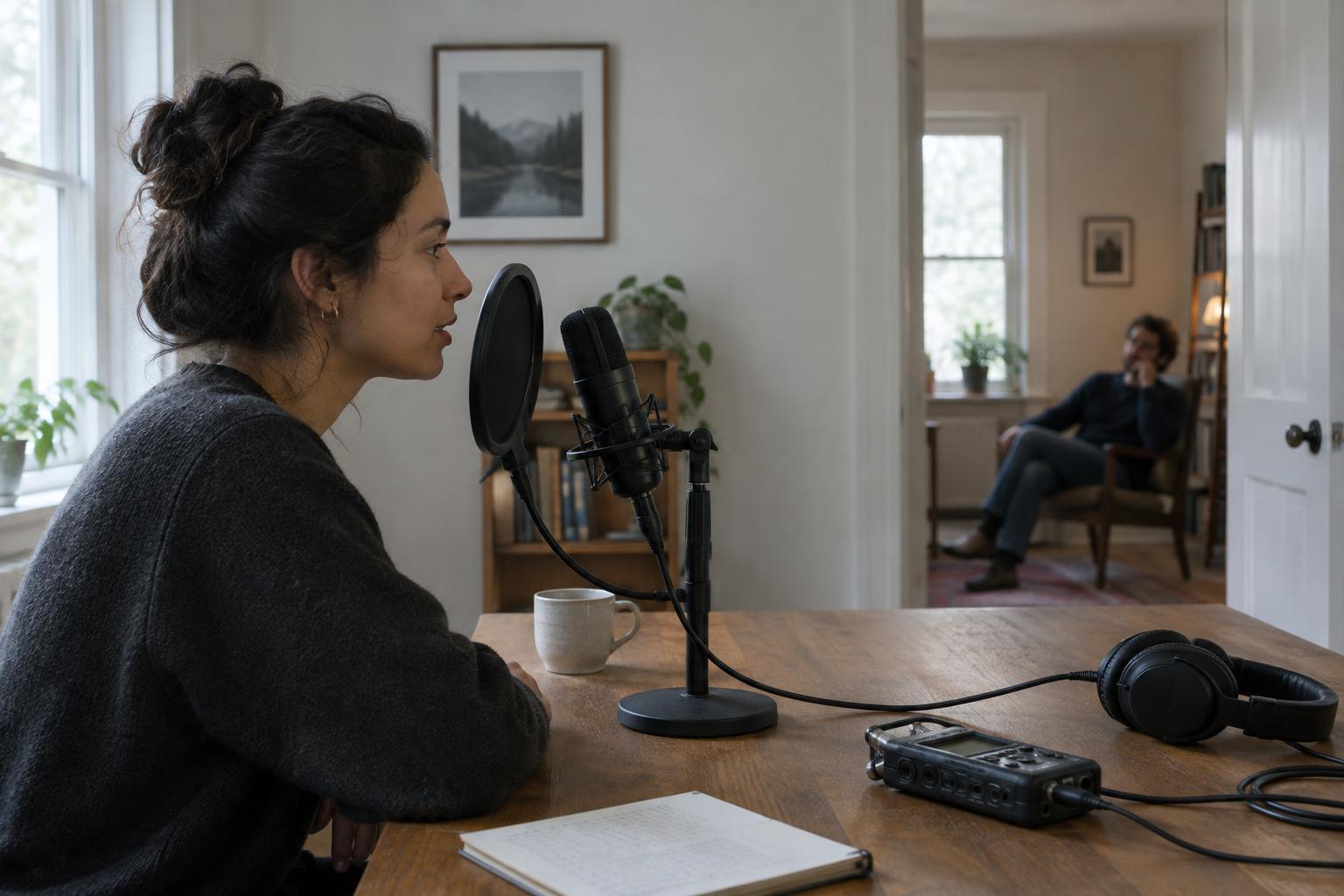
Audio StorytellingA narrated audio story feels different depending on who speaks, what they know and how close the listener is invited to stand. Learn how to choose a point of view that serves your material, shapes your use of sound and stays clear from beginning to end.
Read article · 4 min↗
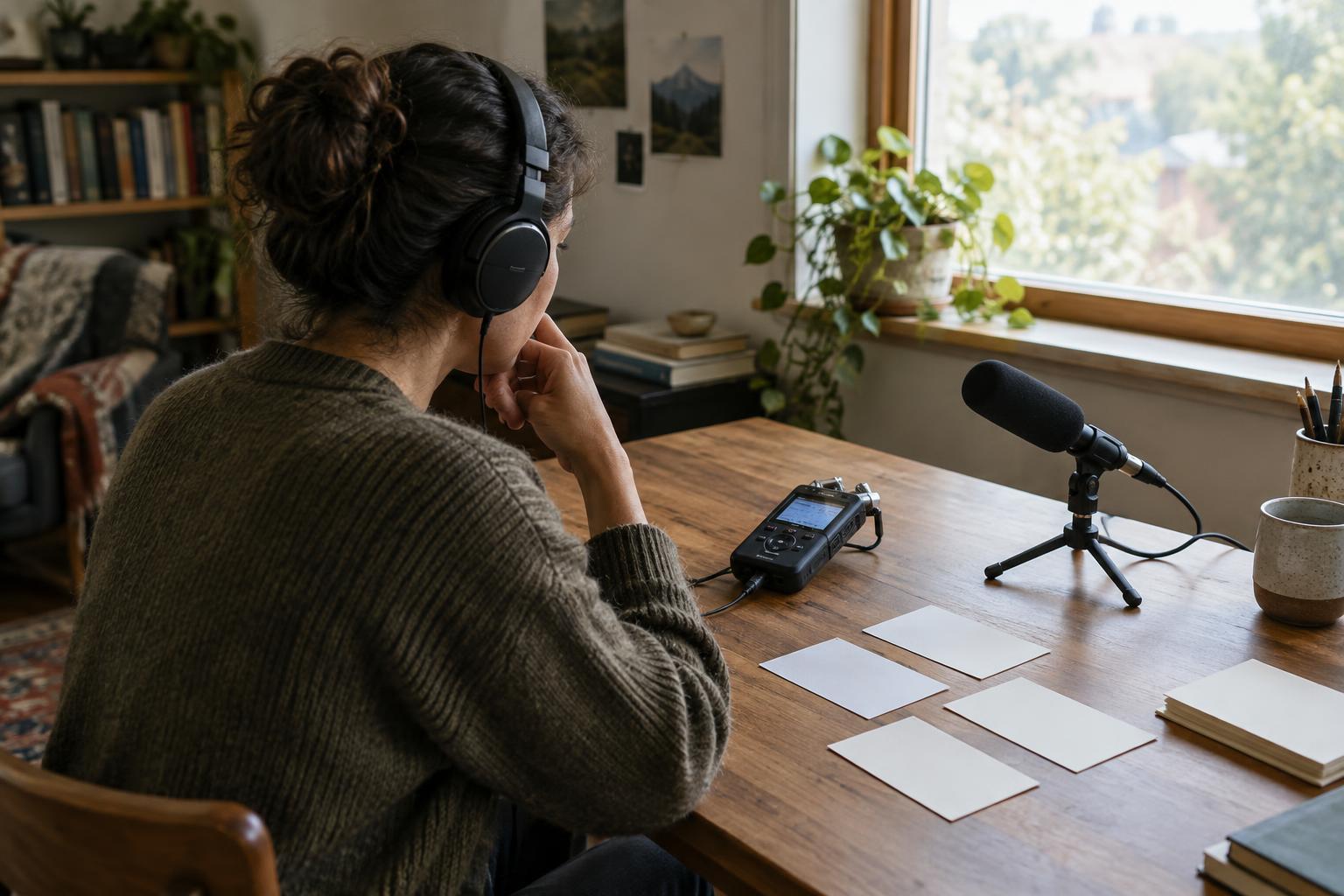
Audio StorytellingA strong audio story needs more than an interesting subject. Learn how to turn a broad topic into a question that guides your interviews, scene choices and ending without making the story feel predictable.
Read article · 4 min↗
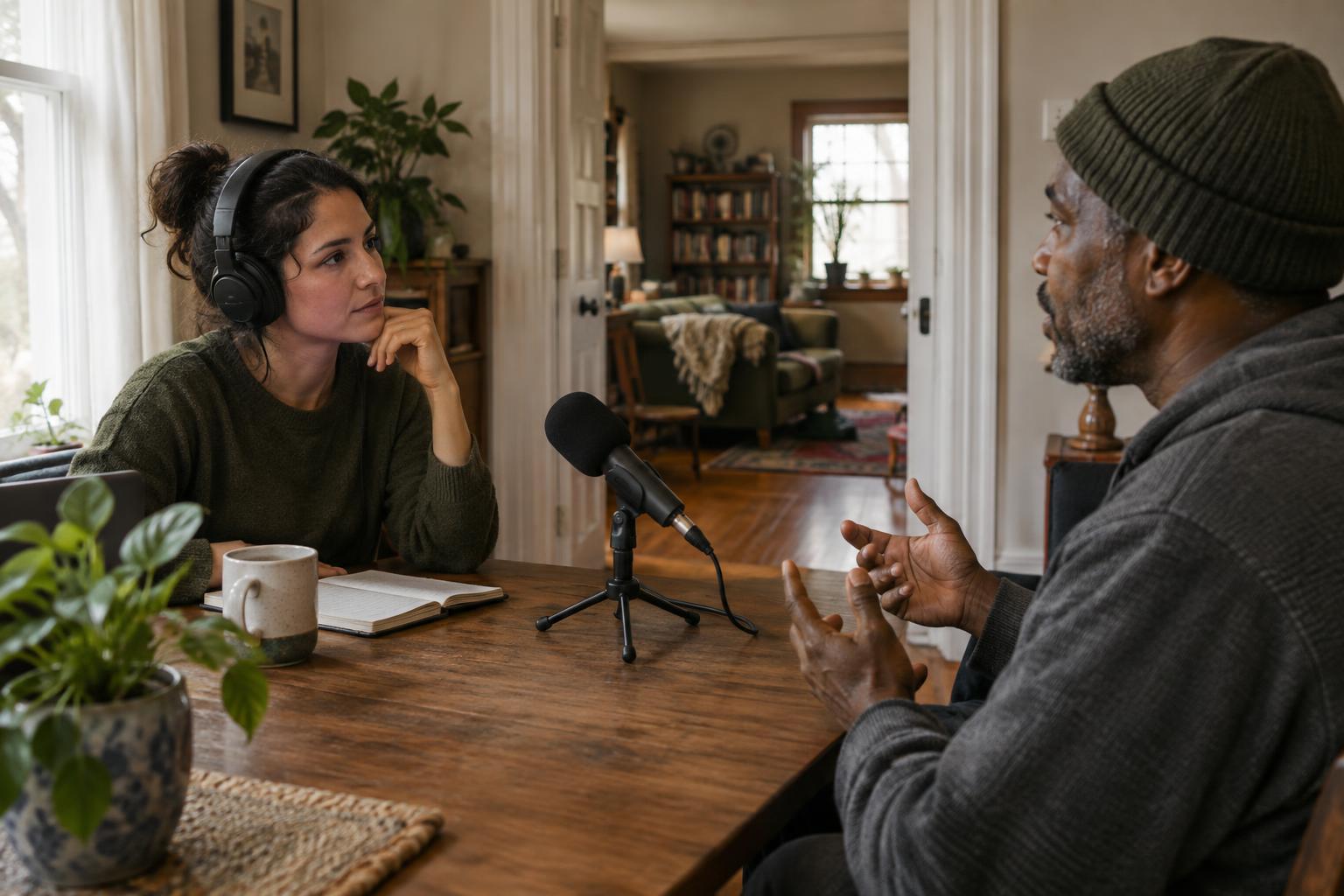
Audio StorytellingA collection of voices and sounds does not automatically become a story. Learn how to find a central question, build scenes listeners can follow, reveal meaningful change, and end with an honest sense of resolution.
Read article · 4 min↗